
Invisalign
Your private starting plan
Build your invisalign starting plan.
Tell us what you’re considering once. We’ll organize relevant results, realistic planning details, and practices to explore.
Start your intakeNo account needed to begin. Nothing goes to a practice until you choose.
Invisalign before and afters
Start with people whose shape looks more like yours. Compare the full before and after, the timing, the angles, and the practice that published it.
 Before
 AfterHoopes DentalOgden, UTPractice-published
 Before
 AfterHoopes DentalOgden, UTPractice-published
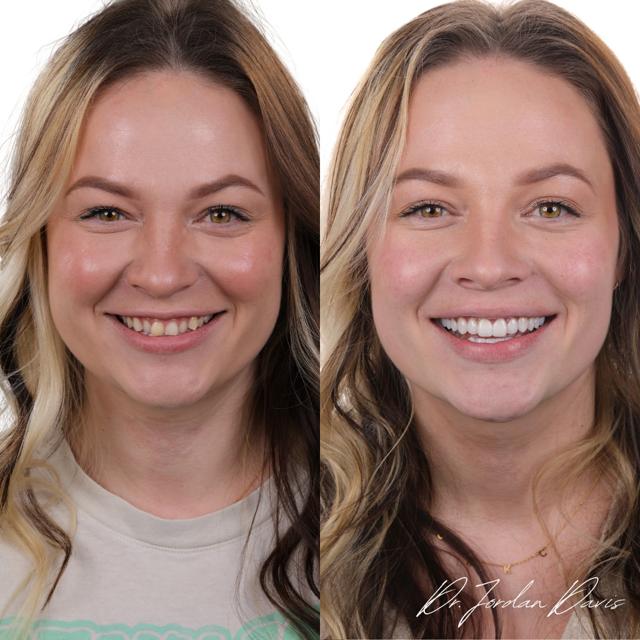 ResultLuca AestheticWoods Cross, UTPractice-published
 Before
 AfterIntermountain SmilesSandy, UTPractice-published
 ResultTorghele DentistryOgden, UTPractice-published
 Before
 AfterHaws Family DentistryBrigham City, UTPractice-published
 ResultVero DentalLehi, UTPractice-published
 ResultLush Dental Co.Highland, UTPractice-published
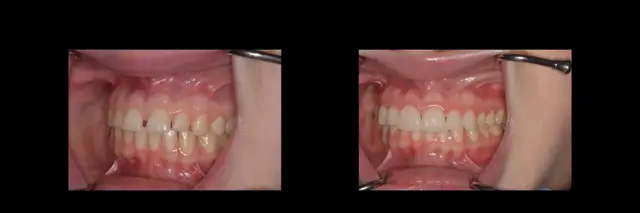 ResultThe Dental StudioSandy, UTPractice-published
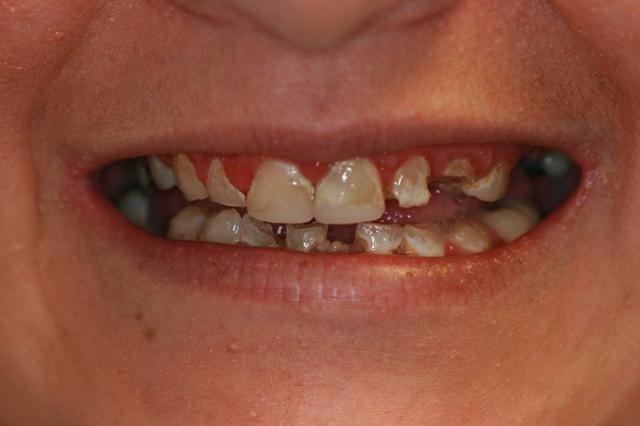 Before
 AfterHighland Heights DentalMillcreek, UTPractice-published
 Before
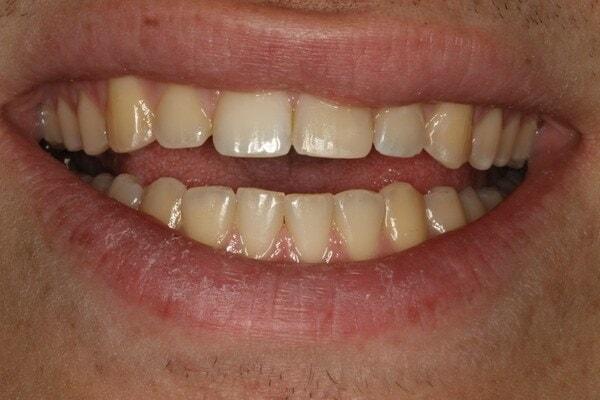 AfterThe Sugar House DentistSalt Lake City, UTPractice-published
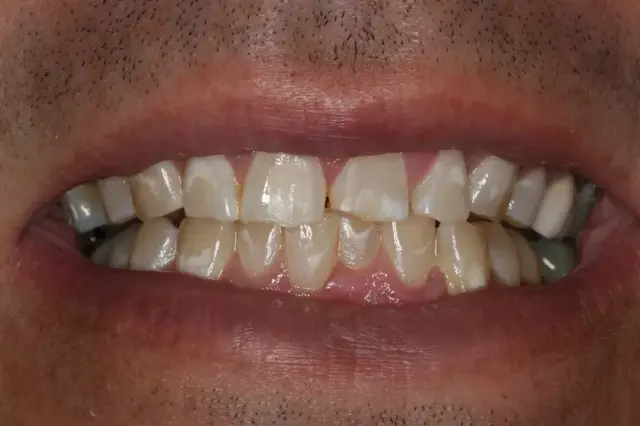 Before
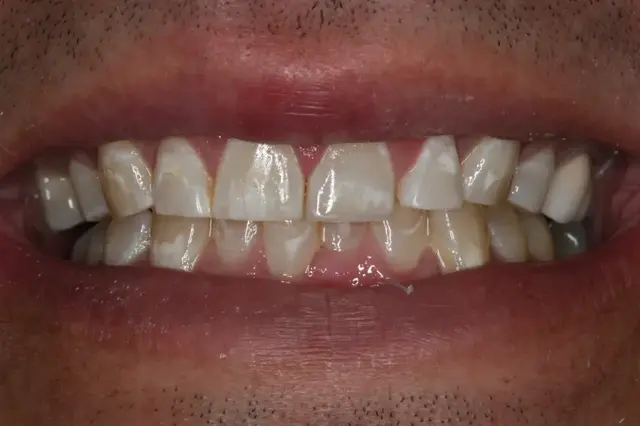 AfterRod Gleave DMDSalt Lake City, UT












before & after photo sets
Practice-published invisalign photo sets on Afters. Compare starting points, angles, and timing—not only the after.
average planning cost
A midpoint from the current $3,000–$8,000 national research range. Your written quote may be higher or lower.
typical downtime
Treat this as a planning estimate. Comfort, work, exercise, and the settled result happen on different timelines.
doctors & clinics
Active Afters profiles that list invisalign. Compare relevant work, credentials, and communication.
The procedure, plainly
What invisalign is trying to change.
If you're researching invisalign, you've probably got a dozen tabs open and a few real questions. Here's the honest start: invisalign is a non-surgical cosmetic treatment done in-office with little to no downtime, which is part of why it is so popular. The before/after results below are the best way to see what is realistic, and the right provider will tell you honestly whether it fits your goals.
Know what you want to understand before you compare the work.
Candidacy is a conversation
Who may be considering it
- 01You've been considering invisalign and want to review practice-published results before deciding.
- 02You want a change that still looks like you, not someone else.
- 03You’re in good general health and have a clear sense of what bothers you.
- 04You’d like a lower-commitment option with minimal downtime.
What the process may involve
What to expect
Start with a consultation, where a good provider listens first, then tells you honestly what invisalign can and can't do for you. Most treatments are quick, and you can usually head back to your day soon after. Results may build over a couple of weeks. Use the results below to find work you love, then bring those photos to your consult.
Research on appearance bias
Appearance shapes how people are treated.
earnings
reported well-being
second dates
classroom judgments
social networks
promotion decisions
mental health
life expectancy
See what you like. Save it. Then talk it through.
Browse resultsSave what catches your eye
Save the results you want to discuss
Browse practice-published before-and-afters. Save the ones that match your taste or the change you have in mind.
Browse and saveUnderstand the treatment before you compare practices.

What invisalign can do
What is invisalign?
Invisalign (commonly called a clear aligners) is a non-surgical treatment that addresses specific aesthetic concerns without surgery.
A practice profile is a starting point. Ask who will treat you, how often they perform it, and what kind of change is realistic for your body. Before you book, independently confirm the clinician's license and relevant credentials.
- Appointment
- Varies
- Anesthesia
- Often none
- Recovery
- None

See whether it fits you
Could invisalign be a fit for me?
A good consultation makes room for your health, your goals, and the tradeoffs of the plan. You may be a reasonable candidate if:
- You feel well overall and can share your medical history, medications, and allergies clearly.
- You want the kind of change invisalign can reasonably make.
- You feel comfortable following the preparation and aftercare plan.
- You are open to hearing that another treatment may be safer or a better fit.
You deserve clear answers.
Online satisfaction percentages cannot predict your outcome. Before you decide, understand who will treat you, why this plan fits, what kind of result is realistic, what recovery may ask of you, and what the full cost includes.
Ask in the consultation
- How would you tailor invisalign to my body and the change I want?
- What is included in the quote, and what could change the price later?
- What may I feel or see at each stage of recovery?
Plan beyond the appointment
Invisalign recovery, step by step
“None” is a planning estimate. Ask what you may feel or see at each stage and when the practice wants to hear from you.
- Same dayYou may notice tenderness, redness, swelling, or bruising. Before you leave, make sure you know which symptoms are expected and which ones deserve a call.
- Days 1–3The early effects often begin to settle. Follow the aftercare plan and contact the practice if anything falls outside the range they described.
- Weeks 2–4The change may begin to show gradually. Try not to judge the final result from the first few days.
- Months 1–3Your provider may check the result, talk through another session, or help you decide whether maintenance makes sense.
Your own timeline may be different. The practice should explain what is normal for you and when to check in.
Talk through the risks
Ask which risks apply to this treatment and to you. That may include infection, bleeding, scarring, changes in sensation, or unexpected healing. You should also know who to call and how the practice handles a complication.
Get ready without guessing
- Bring a complete list of medications, allergies, recent procedures, and any health or skin conditions the provider should know about.
- Follow the practice’s instructions for the treatment area, including any skincare they want you to pause.
- Ask what to avoid before and after treatment, including exercise, alcohol, sun, medications, and active skincare.
- Leave a little room in your plans for redness, swelling, bruising, or a follow-up visit.
Know what the day includes
How long to block off. Ask how long the treatment takes, but check-in, preparation, recovery, and discharge instructions add time.
Comfort plan. Ask whether anesthesia or numbing is part of the plan. Ask who provides it and what the team does if you have an unexpected reaction.

Know the full cost
See the whole number before you say yes
Use the researched invisalign range as a starting point. Then ask for one written quote that includes the plan, follow-up, and anything that could change the price later.
Typical research range
$3,000–$8,000
Midpoint of the range: $5,500
Ask this out loud
“What could make my final cost higher or lower after you see me in person?”
What belongs in the quote
- Which product, device, or technique they would use for your invisalign goal.
- How many sessions they expect before judging progress.
- Whether add-ons, numbing, aftercare, or maintenance visits are included.
Why the number may change
Financing companies to ask about


Not every practice accepts every company. Afters is not affiliated with these lenders. Compare the total amount you would repay, the APR, the term, and every fee. The total matters more than the monthly payment.
Read the CFPB financing guide
Take your questions with you.
Bring the questions, a short prep list, and one page for the answers you want to remember. Save it to your phone or print it before the consultation.
Personalized for your Invisalign consultation

Consultation cheat sheet
Questions for my Invisalign consultation
Personal planning edition
- 1What makes invisalign a good match for the change I want?
- 2What other options would you want me to consider before I decide?
- 3Can we look at before and afters from people who started somewhere close to me?
- 4How would you tailor the invisalign plan to my body and goals?
- 5Who will perform my treatment, and what license, credentials, and training do they have?
Before you go
- Bring a current medication, supplement, allergy, and health history list.
- Save a few Invisalign results that show what you like and what you do not want.
Notes to bring home
- The plan, in my own words
- The result they believe is realistic
Follow the work back
Practices publishing invisalign results.
A profile is a starting point. Compare relevant cases, consistency, credentials, communication, and a consultation that respects the limits of the procedure.





The practical commitment
What this may ask of your budget and your calendar.
National researched range
$3,000–$8,000Ask whether the price is per session, area, unit, vial, or treatment series—and what maintenance may cost.
Read the complete cost guideTypical recovery
NoneResume normal activities
Same dayResults visible
1–2 weeksFull results
2–4 weeksResearch locally
Invisalign in major cities.
Explore practices and practice-published results in markets with relevant documented work.
Before you decide
Let’s make the confusing parts clearer.
What is invisalign?+
Invisalign (also known as Clear Aligners) is a cosmetic procedure. Compare practice-published results, cost, recovery, and relevant practices before deciding whether it fits your goals.
How much does invisalign cost?+
National averages typically range from $3,000 to $8,000, but the final quote varies by practice, location, technique, and what is included.
How long is recovery for invisalign?+
Typical recovery is None, although comfort, return to work, exercise, and final results happen on different timelines.
How do I find a invisalign specialist near me?+
Use the Invisalign near-me directory to find practices in your area, then compare relevant before-and-after work and ask how often they perform the procedure.
Keep exploring procedures
View allComplete location directory
Find invisalign research near you.
California1 cities+
Arizona1 cities+
Tennessee1 cities+
Let the work make it real
Save what feels right. We’ll help with the next step.
Browse practice-published invisalign results, notice what you consistently like, and bring those examples into a conversation about your own starting point.
Show me relevant resultsPrivate until you choose to share