
Eyelid surgery insurance: Will Insurance Pay for Eyelid Surgery?
 Felipe LeeCo-founder, Afters · Updated October 16, 2026
Insurance may pay for functional upper eyelid surgery (blepharoplasty), subject to your plan’s criteria. Compare the policies and the evidence they ask for. Policy text is not a coverage guarantee.
- Your operation
- Upper or lower
- Your instructions
- Ask your surgeon
What you need to know
Start with the answer you need. Each chapter ends with a question you can save for your visit.
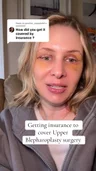 When does insurance pay for eyelid surgery?Insurance may pay for upper eyelid surgery (blepharoplasty) that treats documented functional impairment and meets your own plan’s criteria.
- What does my local Medicare policy require for eyelid surgery?The Medicare policies in this research are local contractor policies, and their documentation rules differ.
- What do commercial insurers require for eyelid surgery?Aetna, Cigna, UnitedHealthcare and Anthem publish different eyelid surgery criteria.
- How does the visual field test for eyelid surgery work?A visual field test measures the area you can see while looking straight ahead.
- What photos and symptoms support eyelid surgery coverage?Your record should connect the problem you experience with what the surgeon finds and what the applicable policy asks to see.
- Is ptosis repair covered like eyelid surgery, and what about lower lids?Ptosis repair and blepharoplasty address different structures and can have separate coverage requirements.
- What can I do if eyelid surgery coverage is denied?Ask for the written denial and have the office identify the policy provision and the evidence the decision relied on.
- What will eyelid surgery cost if insurance does not pay?Ask for a written self-pay quote for the exact operation, then compare it with the full eyelid surgery cost guide.
The answer
When does insurance pay for eyelid surgery?
Insurance may pay for upper eyelid surgery (blepharoplasty) that treats documented functional impairment and meets your own plan’s criteria. Surgery to change appearance is treated differently, and an approval story from someone else cannot establish your benefit. Policy text is not a coverage guarantee.
Start with the problem the operation treats
Documented impairment, the examination and the applicable policy’s evidence requirements. Cigna 0045 and the local Medicare policies.
Cigna 0045 calls upper or lower surgery for appearance without functional impairment cosmetic.
UnitedHealthcare MP.002.29 requires each requested procedure to meet its own criteria.
Start by asking which operation your surgeon proposes and which policy your plan will use. Cigna distinguishes functional impairment from upper or lower surgery performed solely to improve appearance. UnitedHealthcare requires each procedure in a combined request to meet its criteria. That matters if you’re considering upper skin surgery alongside ptosis repair, a brow operation or lower bags. An office saying that it accepts insurance tells you little about whether your particular operation is covered. Ask the office to separate the medical request from optional appearance work, then ask your plan about the benefit and any authorization requirement. The comparisons below describe the published documents read in the supplied research. They cannot tell you whether a particular claim will be paid.
“Which part of my proposed eyelid operation is functional, and which policy will my plan apply?”
Your payer
What does my local Medicare policy require for eyelid surgery?
The Medicare policies in this research are local contractor policies, and their documentation rules differ. Find your state or territory in the comparison before using a threshold from a search result. A formal visual field test is required in some jurisdictions, optional in others and not relied on in another.
Find your local Medicare contractor
Each card names the contractor, its states, the policy identifier and revision date. Some cards describe a threshold as an alternative route rather than a requirement for every claim. Keep that wording when you discuss the policy with the office. A measurement of the lid’s position is also different from a measurement of your field of vision. The photos column matters just as much: a requirement from a neighboring state may not be your requirement. The policy revision date identifies the text compared here; it does not promise that your plan uses that version today. Ask the billing office to confirm the applicable document for your place of service and date of surgery. Prior authorization also depends on setting; the research’s contractor authorization pages concern hospital outpatient claims and ASC demonstration settings, rather than a universal office-surgery rule.
“Which contractor policy and documentation rules apply to my state and surgical setting?”
Your payer
What do commercial insurers require for eyelid surgery?
Aetna, Cigna, UnitedHealthcare and Anthem publish different eyelid surgery criteria. Match the policy to your exact plan and line of business. A Humana Medicaid document, a TRICARE document and a Medicare Advantage search listing cannot stand in for Humana commercial coverage.
Read the policy for your own line of coverage
The cards preserve the policy numbers and dates, with the limits of what was read. UnitedHealthcare’s public document refers to proprietary InterQual and does not publish field or lid-distance cutoffs. Its missing numbers cannot be supplied from Aetna’s policy. The Humana Medicare Advantage row establishes a listing and dates, rather than readable coverage criteria. Ask your plan for the applicable medical policy and benefit language, then have the surgeon’s office explain how the request addresses both. Cigna explicitly says coverage varies across plans, and Anthem says benefit language supersedes the guideline. A policy describing medically necessary surgery therefore does not settle your network status, exclusions or patient share. Keep the policy name with any answer you receive so that the office and plan are discussing the same document.
“Can you identify the exact policy and benefit language for my plan rather than another line of coverage?”
The examination
How does the visual field test for eyelid surgery work?
A visual field test measures the area you can see while looking straight ahead. When the policy asks for taped and untaped testing, the clinician compares your field with the lid at rest and with the obstructing tissue supported. The aim is to document your actual vision, following the examiner’s instructions.
What taped and untaped testing compares
A drawing of what is compared, not a measurement and not anyone’s result.
- Lid at restLooking straight ahead, how far up you can see with the extra skin where it normally sits.
- Lid taped upThe test is repeated with the lid lifted or taped. The difference is the part of your upward view the extra skin was blocking.
- What counts depends on who is readingSome policies look at how much upper field is left, some at how much taping gains, some at how far the lid edge sits above the pupil. The numbers differ by payer and are in the coverage table. A policy’s text is not a coverage guarantee.
Similar numbers can measure different things
A taped comparison can show whether lifting the obstruction changes the measured upper field. It does not replace the examination or your plan’s other requirements. If you searched for how to fail the test, there is no qualifying performance to practice: tell the examiner what you actually see and let the clinical team position the tape. The comparison below separates remaining field from field lost or gained. Those quantities can have similar-looking numbers while describing different things. A percentage also belongs to the particular policy and measurement; it is not a general share of impairment required everywhere. The drawing explains the comparison without inventing a field map, a score or a pass line. If you have trouble understanding the test, ask the examiner to explain the task before it starts.
“Does my policy require taped and untaped fields, and what exactly does each result measure?”
The examination
What photos and symptoms support eyelid surgery coverage?
Your record should connect the problem you experience with what the surgeon finds and what the applicable policy asks to see. Anthem names difficulty reading or driving and looking through the lashes. Other policies specify their own photographs, examination findings and test documentation.
A record of what you actually experience
Anthem names reading, driving and looking through the lashes. Describe your own difficulty rather than copying a qualifying phrase.
The local policies distinguish lid edge, skin overhang and brow position. The surgeon documents the structure causing the problem.
Use your policy’s views and timing. WPS does not list photos among the documentation read; CGS says they may be used.
WPS requires a physician’s interpretation. Novitas asks for a full written interpretation when fields are submitted.
Describe concrete activities that are difficult for you, including when they are difficult and how you compensate. The surgeon can examine whether skin, the lid margin, the brow or another eye condition explains the problem. Do not add symptoms because you saw them in a checklist. Photographs should follow the applicable policy’s instructions rather than a generic approval template. Aetna places recency requirements on photos and fields; the commercial comparison gives the period from its policy. The Medicare cards also preserve differences that are easy to miss: some request particular views, some do not require photos and one reviewed policy does not list them. Ask the office to check the submission against the actual document. This is preparation for an accurate record, with no prediction of payment.
“Which symptoms, examination findings, photos and interpretations are still missing from my record?”
Which operation
Is ptosis repair covered like eyelid surgery, and what about lower lids?
Ptosis repair and blepharoplasty address different structures and can have separate coverage requirements. Routine lower eyelid surgery for bags is generally cosmetic in the policies read. Narrow reconstructive indications in some policies should not be read as coverage for ordinary under-eye appearance work.
Skin, lid margin and brow are separate findings
- The browA brow that has dropped pushes tissue onto the upper lid, so a heavy lid can start here. A droopy brow is a different operation, or an addition to the lid operation.
- Skin hoodingExtra skin folds over the lid and can rest on the lashes. This is what upper blepharoplasty removes. It is called dermatochalasis.
- The lid edgeIn ptosis the lid edge itself sits low, because the muscle that lifts it has stretched or come loose. It is a separate operation. Surgeons measure from the middle of the pupil to the lid edge (MRD1).
- Under-eye bagsFat that bulges forward in the lower lid. Lower blepharoplasty can take it out or move it, sometimes with a little skin removed.
- The tear troughA groove from the inner corner down onto the cheek. It is not the same as a bag. A review says fillers may suit a mild groove and surgery is more predictable for a moderate or severe one.
Ask for the operation’s full name
Removes or reshapes eyelid tissue, including excess skin. A skin overhang can create a false low lid margin.
Ask what tissue is blocking your view.Addresses the position of the lid margin itself. It has its own criteria even when combined with skin surgery.
Ask why this operation is needed too.The surgeon needs to distinguish a low lid edge from extra skin hanging over it and from a descended brow. Removing skin may not address a low lid margin. Conversely, a separate lid-lifting operation may not be necessary if skin removal alone resolves the obstruction. Noridian’s policy explains that a cosmetic addition in a covered session remains noncovered. Cigna’s lid-distance criterion for ptosis repair should therefore stay attached to ptosis rather than being relabeled as a universal skin-surgery cutoff. The lower-lid exceptions also differ: some policies name prosthesis problems or specific disease-related changes, while others list turned-in or turned-out lids and exposure problems. Ask the office to name your diagnosis and operation separately. The payer comparisons preserve the lower-lid wording from each document rather than turning those exceptions into a general promise.
“Is my problem excess skin, true ptosis, brow descent or a lower-lid condition, and why does each proposed procedure qualify separately?”
Planning payment
What can I do if eyelid surgery coverage is denied?
Ask for the written denial and have the office identify the policy provision and the evidence the decision relied on. Then ask your plan for its reconsideration or appeal instructions and deadline. The supplied research does not establish an appeal success rate or a standard approval timeline.
Bring the decision back to the office
Use the worksheet to keep the reason, document and next step together. A missing record, a disagreement about medical necessity and an excluded benefit raise different questions; the decision letter should help you identify which issue applies. Ask the office what it can clarify before paying for another test on the assumption that every insurer requires it. Noridian permits case-by-case appeals for its lower-lid statement and says exceptions involving fields may be considered on appeal, within its own jurisdiction. That does not predict an outcome under another policy. Avoid scheduling or making financial commitments on the strength of a general eligibility explanation. Ask the office and your plan what a favorable authorization would establish and what patient costs could remain. Follow the instructions supplied with your own decision, including where to send the response.
“What is the written denial reason, what can your office clarify, and what does my plan require next?”
SourcesNoridian LCD
Planning payment
What will eyelid surgery cost if insurance does not pay?
Ask for a written self-pay quote for the exact operation, then compare it with the full eyelid surgery cost guide. Upper lids, lower lids, combined surgery and ptosis repair are separate scopes. An advertised starting price cannot tell you your total bill.
Ask for the patient-pay amount in writing
Ask what deductible, coinsurance or other patient cost your plan assigns to the proposed procedure.
Ask for a separate amount for lower bags or other appearance work. Noridian pays only the covered procedure in a mixed session.
Ask whether the surgeon, anesthesia, facility, tests, prescriptions and follow-up are included. Compare the scope in the full cost guide.
Have the office show the surgeon’s fee, anesthesia and facility charges, then explain which tests, medicines and follow-up visits are included. If you are combining a functional upper-lid request with cosmetic lower-lid work, ask for the patient-pay portion separately. The covered operation does not automatically bring the rest of the session into coverage. You can also ask what you would owe if the claim is denied after surgery and which written agreement explains that responsibility. The full cost guide keeps practice advertisements, fee-only benchmarks and combined quotes apart, with their original dates and inclusions. Bring that comparison to the consultation rather than treating a national fee or a different patient’s bill as your budget. Leave room to discuss the practical cost of time off and help at home as well as the surgical invoice.
“Can I have an itemized self-pay quote and a separate written amount for every cosmetic addition?”
Questions for my visit
Save questions as you read. Your list stays in this browser.
Nothing saved yet. Tap Save to my list under any question.
Start with a short intake, pick your top 3 practices, and get Interactive Quotes back.
Near you
Practices that publish blepharoplasty results, and blepharoplasty pages for the cities and states Afters covers.
Planning eyelid surgery?
Tell us which lids you’re considering and what you want to ask at a consultation.
How we researched this guide
This guide uses the eyelid packet’s corrected claims and rechecked insurance policies, read September 30, 2026. Policy identifiers, revision dates and local jurisdictions travel with their criteria. The supplied packet contains Noridian’s Utah jurisdiction but no separate Utah commercial payer policy text. Ask your Utah plan for its own document. The optional patient video is an individual account, not coverage evidence. Denial worksheets are editorial planning tools; no success rate or approval duration was established.
How to read these answers
Named sources describe their own policies or care instructions. They don’t predict your coverage or clear you for an activity. Your plan documents and your surgical team’s instructions govern your care.
Sources
- Blepharoplasty, Reconstructive Eyelid Surgery, and Brow Lift (Coverage Policy 0045)Cigna · 2026
- Brow Ptosis and Eyelid Repair (Policy MP.002.29)UnitedHealthcare · 2026
- How I got my eyelid lift covered by insurance (reply)TikTok · @schweaver5 · Feb 26, 2025
- Blepharoplasty, Eyelid Surgery, and Brow Lift (L34194)CMS Medicare Coverage Database / Noridian · 2025
- Blepharoplasty, Eyelid Surgery, and Brow Lift (L34411)CMS Medicare Coverage Database / Palmetto GBA · 2021
- Blepharoplasty, Blepharoptosis and Brow Lift (L34528)CMS Medicare Coverage Database / Wisconsin Physicians Service · 2026
- Blepharoplasty (L33944)CMS Medicare Coverage Database / CGS Administrators · 2025
- Blepharoplasty, Blepharoptosis Repair and Surgical Procedures of the Brow (L34028)CMS Medicare Coverage Database / First Coast Service Options · 2021
- Blepharoplasty, Blepharoptosis Repair and Surgical Procedures of the Brow (L35004)CMS Medicare Coverage Database / Novitas Solutions · 2021
- Wellpoint Federal: Blepharoplasty - Medical Policy Article (article A52837)CMS Medicare Coverage Database / Wellpoint Federal · 2026
- Eyelid Surgery (Clinical Policy Bulletin 0084)Aetna · 2026
- CG-SURG-03 Blepharoplasty, Blepharoptosis Repair, and Brow LiftAnthem (Elevance Health) · 2026
- Eyebrow and Eyelid Repair (HUM-2024-001)Humana (Medicaid, Florida) · 2025
- Blepharoplasty (MP22-031E)Humana Military (TRICARE) · 2024
- Humana: policy search listing for the Medicare Advantage blepharoplasty policy (listing only)Humana · Accessed Sep 30, 2026
- Bergen Eyelids (Dan Landmann MD): what a quote includes (facility fee: in office)Bergen Eyelids (Dan Landmann MD) · Accessed Sep 30, 2026