


7,483
before & after photo sets
Compare the starting point as carefully as the facelift result.
 Sign in
Your private starting plan
Tell us what you’re considering once. We’ll organize relevant results, realistic planning details, and practices to explore.
Start your intakeNo account needed to begin. Nothing goes to a practice until you choose.












Compare the starting point as carefully as the facelift result.
Middle half; 7 practices. The cost guide shows what practices post, one price at a time.
ASPS. Downtime is not the same as a settled result. The recovery guide goes week by week.
Active practices with facelift photos published on Afters.
Begin with the before. Look for a starting point that resembles yours, then check the angle, lighting, timing, and practice that published the result.
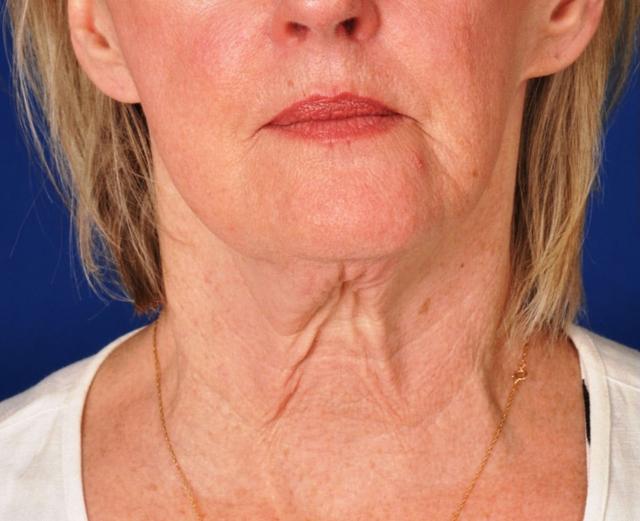 Before
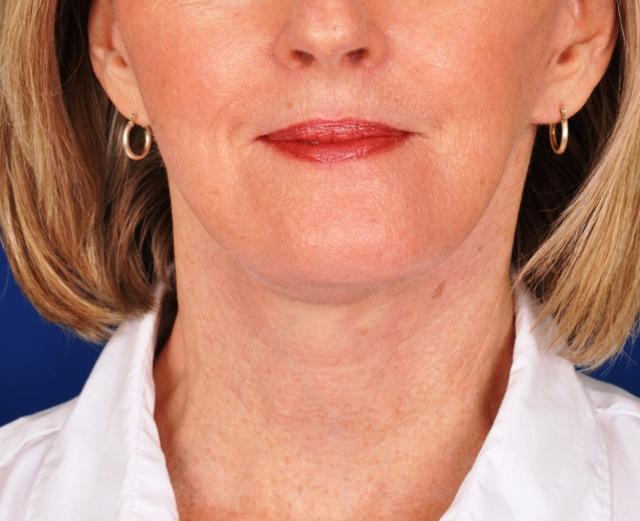 AfterEdmon P. Khoury, MDGreenwood Village, COPractice-published
 ResultJonathan Hutter, MDMaple Valley, WAPractice-published
 ResultJohn S. Lee, MDBeaverton, ORPractice-published
 ResultMurphy Plastic Surgery GroupEnglewood, COPractice-published
 ResultBrian L. Scott, MDBellevue, WAPractice-published
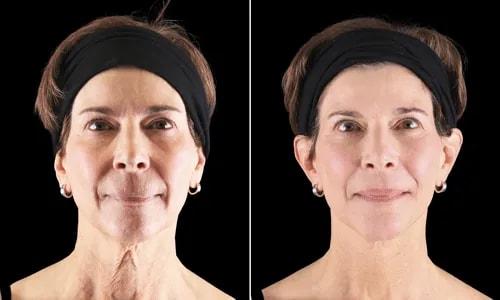 ResultJoyce Aycock, MDDenver, COPractice-published
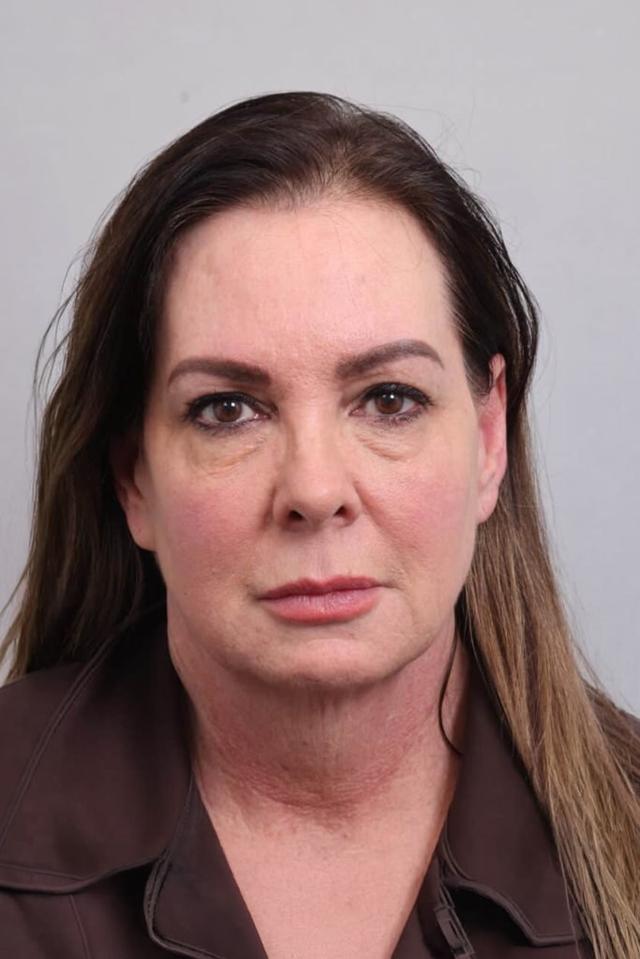 Before
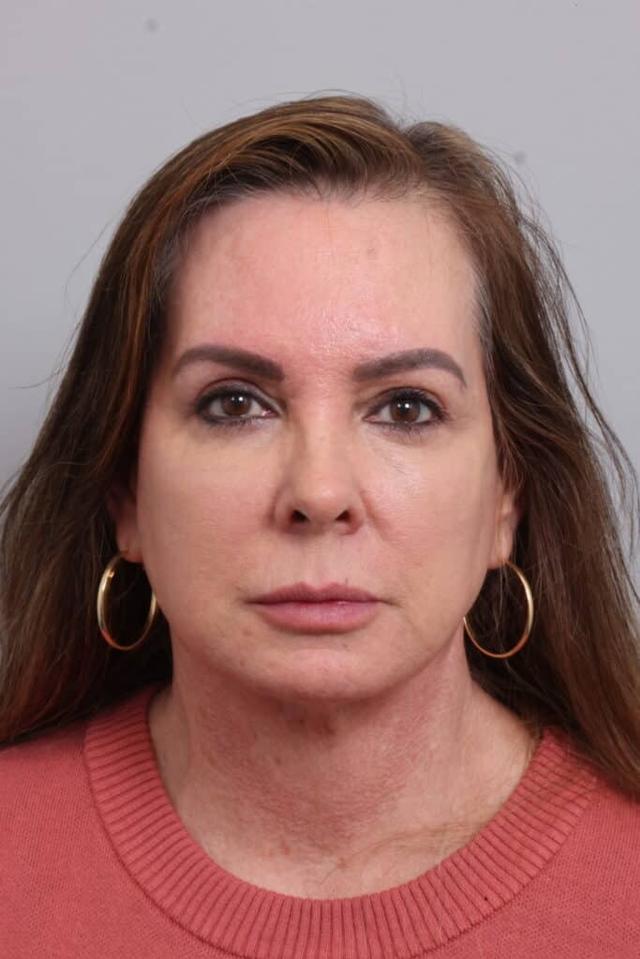 AfterFante Eye & Face CentreDenver, COPractice-published
 ResultAnderson Sobel Cosmetic SurgeryBellevue, WAPractice-published
 ResultDeniz Gerecci, MDLake Oswego, ORPractice-published
 Before
 AfterLamperti Facial Plastic SurgerySeattle, WAPractice-published
 ResultNew Horizons Center for Cosmetic Surgery (Gregory A. Turowski, MD)Skokie, ILPractice-published
 Before
 AfterThe Art of Plastic Surgery (Gregory A. Wiener, MD)Chicago, IL
Read these photos well
Look at the jawline from the side and at an angle, where jowls show most clearly.
Many facelifts include the neck. Check the area under the chin, not only the cheeks.
Look in front of and behind the ear for scars, and check that the sideburn and hairline sit where they did.
A smile or light from above changes how deep the folds look. Compare pairs with a relaxed face and even lighting.
7,483 facelift results from 555 practices in 38 states.
Sorted by how many results each practice has published on Afters.
See what speaks to you
You do not need the perfect words yet. Browse facelift before and afters and save the ones that feel relevant to your body, your taste, or the change you have in mind.
Build my shortlistFrom our facelift guides
Every answer names its source. Each guide shows the prices, studies and patient videos behind it.
Who it suits
A facelift, also called rhytidectomy, repositions sagging facial tissue and redrapes skin, with modern operations commonly treating the underlying SMAS support layer, according to Cleveland Clinic and ASPS. Jowls, descended fat and loose lower-face skin are reasons to discuss it.
Submitted US cases
3,400ABPS 2006–2021 practice-pattern report
Major-event study
11,300CosmetAssure 2008–2013; 30-day events
What it costs
Facelift cost starting points have a middle half of $15,000 to $27,900 across 7 practices’ own posted full SMAS prices, and separately $13,000 to $25,000 across 26 practices posting facelift with neck lift, checked October 16, 2026.
Full SMAS
$15,000–$27,900Middle half; 7 practices
With neck lift
$13,000–$25,000Separate middle half; 26 practices
Recovery
Facelift recovery often means being presentable in public within 10–14 days, while normal texture, sensation and tightness can take 2–3 months, according to ASPS’s results page checked October 16, 2026. Those are different endpoints on a patient-education page, with no measured patient denominator.
Publicly presentable
10–14 daysASPS
Feeling normal
2–3 monthsASPS
You know more now. Compare several facelift results from each practice and ask what made each one possible.
BeforeAfterFante Eye & Face CentreDenver, COPractice-publishedResultAnderson Sobel Cosmetic SurgeryBellevue, WAPractice-publishedResultDeniz Gerecci, MDLake Oswego, ORPractice-publishedBeforeAfterLamperti Facial Plastic SurgerySeattle, WAPractice-publishedResultNew Horizons Center for Cosmetic Surgery (Gregory A. Turowski, MD)Skokie, ILPractice-publishedBeforeAfterThe Art of Plastic Surgery (Gregory A. Wiener, MD)Chicago, ILPractice-published ResultTLKM Plastic Surgery (Sammy Sinno, MD)Chicago, ILPractice-published
 Before
 AfterMarco Ellis, MDChicago, ILPractice-published
 ResultRemington Plastic SurgeryKirkland, WAPractice-published
 Before
 AfterLake County Plastic Surgery (Aras D. Tijunelis, MD)Libertyville, ILPractice-published
 Before
 AfterSaid Plastic SurgerySeattle, WAPractice-published
 ResultDouglas M. Sidle, MDChicago, IL

Bring the questions, a short prep list, and one page for the answers you want to remember. Save it to your phone or print it before the consultation.
Personalized for your Facelift consultation
Consultation cheat sheet
Personal planning edition
Before you go
Notes to bring home
Research on appearance bias
Compare several results from each practice. Then check the provider, consultation, travel, and follow-up plan.
 1Edmon P. Khoury, MDGreenwood Village, CO
 2Jonathan Hutter, MDMaple Valley, WA
 3John S. Lee, MDBeaverton, OR
 4Murphy Plastic Surgery GroupEnglewood, CO
Use these answers for a first pass. A qualified surgeon still needs to examine you, hear what you want, and explain the tradeoffs.
Each result is tied to the practice that supplied or published it. Afters does not independently verify every consent record, image history, surgeon, or outcome. If a case matters to you, ask the practice who performed it, when the photos were taken, and whether the patient gave permission for publication.
The useful after photos are taken once swelling has settled, often well after the 2-3 weeks downtime window. Early afters can look tight, high, or puffy. Ask when every photo was taken.
Start with befores that share relevant features, then compare jawline without tension, neck angle, ear and hairline details. Published examples help you form questions; they do not verify the treating provider or predict your outcome.
Your anatomy, skin, and treatment plan shape the outcome. Use these photos to find a direction, then ask a surgeon what is realistic for you.
Open the profile that published a result you like and compare several examples. Then ask who treated each case, whether it is comparable to yours, and how the image was documented.
Keep doing the homework

A few saved photos are enough. Choose results that feel right for your starting point and your taste, then bring them into a consultation. Nothing goes to a practice until you share it.
Show me relevant resultsPrivate until you choose to share