






















































































































A clearer way to research cosmetic care
Understand the decision before you make it.
Thoughtful guides for the questions that matter: what changes, what it asks of you, what it costs, and how to recognize work you genuinely like.
Can you see a consistent pattern of relevant, well-documented results?
What are you willing to accept in cost, recovery, scarring, and uncertainty?
Does this provider understand your taste, starting point, and limits?
In-depth guides
Written to make the next question easier to ask.
Decision lenses
Outcome, evidence, tradeoffs, and personal fit.
Important principle
The right answer should become clearer—not more pressured.
Start here
Three guides that make every other guide more useful.
Learn to read the proof, prepare for an honest consultation, and understand what recovery actually asks before narrowing your options.
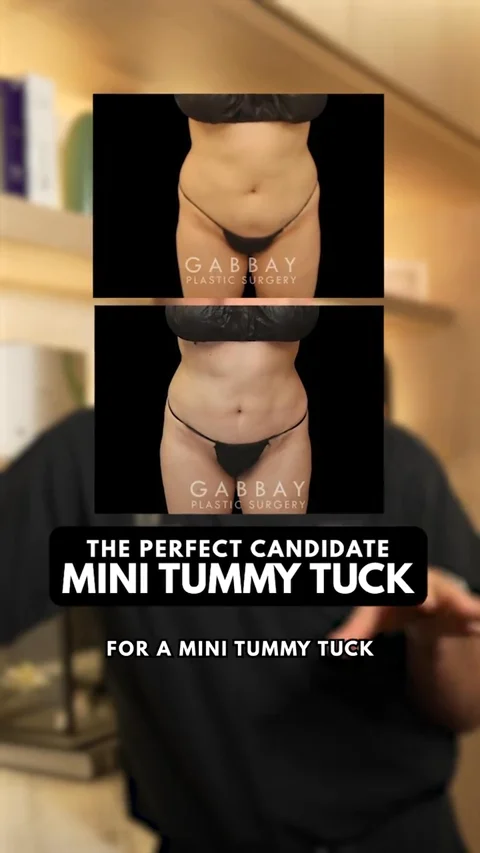
How to Read Before & After Photos Like a Surgeon
Learn what surgeons look for when evaluating results — spot misleading angles, understand swelling timelines, and know what real results look like.
Your First Cosmetic Surgery Consultation
What to expect, what to bring, questions to ask, and how virtual consultations work.
Recovery 101: What Every Patient Should Know
Universal recovery principles, timeline milestones, what to stock up on, when to call your doctor, and the mental side of healing.
A better framework
Research the decision—not just the procedure.
A beautiful result can still be the wrong result for you. These are the four conversations worth having with yourself first.What do I want to preserve?
The best plan often begins with what should remain recognizably yours.
What result feels believable?
Look for work on people who share your anatomy, age, and starting point.
What tradeoff would I regret?
Name your limits around downtime, scars, repeat treatment, and cost.
What would make me walk away?
Pressure, vague answers, mismatched photos, or a complication plan you do not trust.
The complete library
Go deeper where the decision still feels unclear.
Every guide is grouped by the question it helps answer. There are no decorative filters or dead ends.Getting Started
06 guidesResearch
13 guidesRecovery
03 guidesCosts
03 guidesSafety
01 guidesResearch from the evidence out
When reading is not enough, look at the work.
Use the guides to understand the decision. Then test what you learned against real results, realistic costs, and practices near you.Notice what catches your eye.
Explore documented before-and-afters and save the work that feels most like you.
02 · ProceduresUnderstand your options.
Compare what each approach can change, what it cannot, and what it asks in return.
03 · CostsPlan the whole investment.
See realistic price ranges and the questions that reveal what a quote includes.
Before you decide
Questions that deserve a calm answer.
Where should I start if I am still deciding what I want?+
Start with the result, not a procedure name. Save examples that feel right, notice what they have in common, then use the procedure and consultation guides to understand which options could realistically create that change.
Can these guides tell me which procedure is right for me?+
No guide can replace an examination and an honest medical conversation. The goal here is to help you arrive at that conversation with clearer questions, more realistic expectations, and a better eye for evidence.
How should I compare before-and-after photos?+
Look for patients with a similar starting point, consistent lighting and angles, enough time after treatment, and a pattern of results across many cases—not one unusually dramatic example.
What should I research before booking a consultation?+
Understand the likely tradeoffs, recovery window, full cost, provider credentials, complication plan, and whether the practice can show relevant work on patients who started where you are starting.
Start with what feels right
You do not need every answer. You need a better next question.
Explore real work, notice the results you return to, and use that pattern to make your research more personal.
