


5,701
before & after photo sets
Compare the starting point as carefully as the rhinoplasty result.
 Sign in
Your private starting plan
Tell us what you’re considering once. We’ll organize relevant results, realistic planning details, and practices to explore.
Start your intakeNo account needed to begin. Nothing goes to a practice until you choose.









Compare the starting point as carefully as the rhinoplasty result.
86 practice groups. The cost guide shows what practices post, one price at a time.
Downtime is not the same as a settled result. Ask what changes early and what keeps evolving.
Active practices with rhinoplasty photos published on Afters.
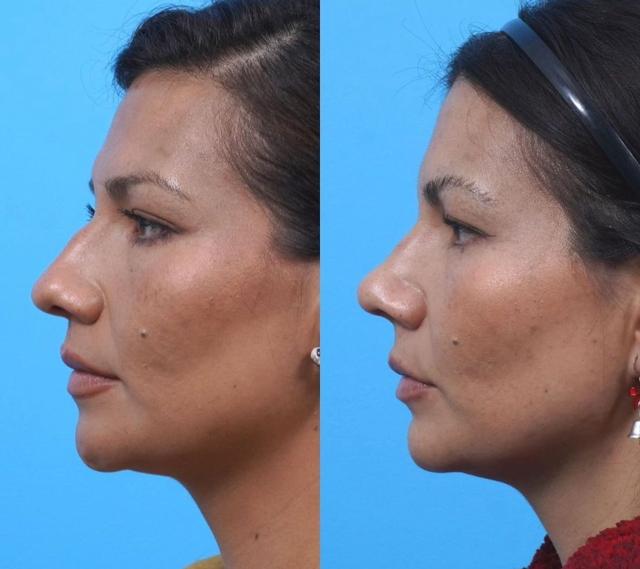
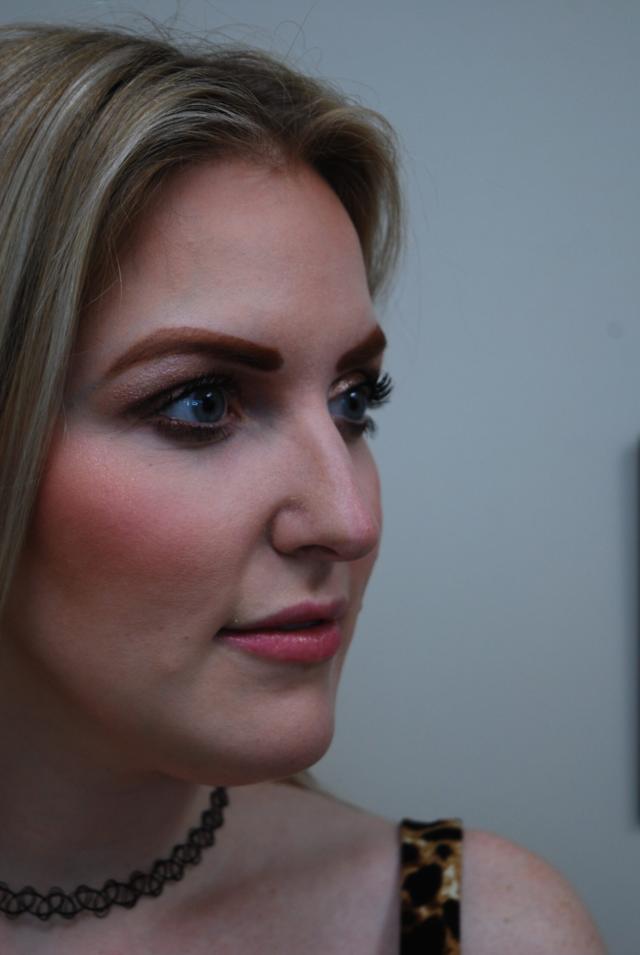
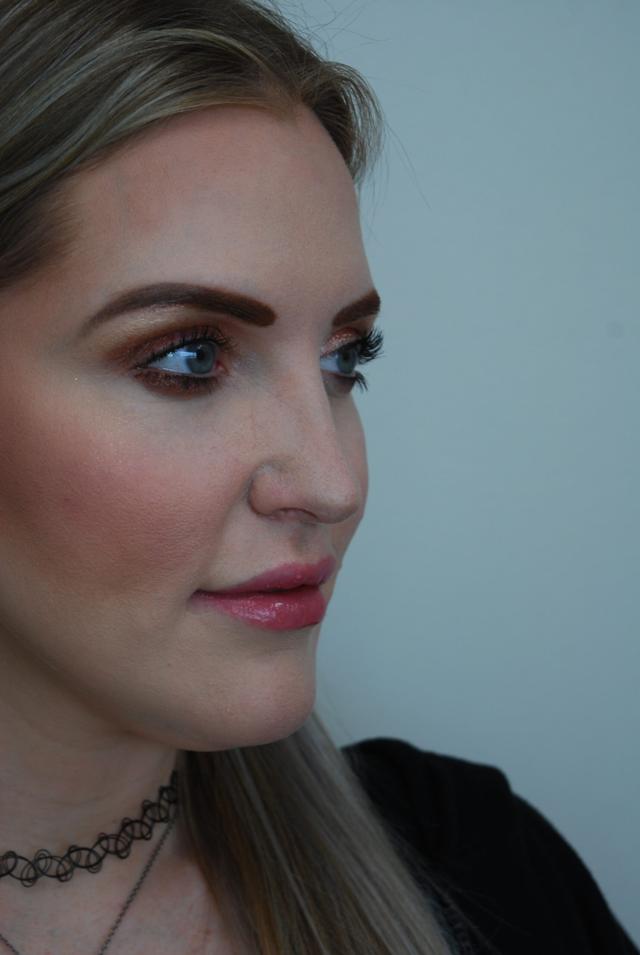
Begin with the before. Look for a starting point that resembles yours, then check the angle, lighting, timing, and practice that published the result.
 ResultKismet Iorio Surgical SculptingSalt Lake City, UTPractice-published
 Before
 AfterJohn R. Bennett, MDDraper, UTPractice-published
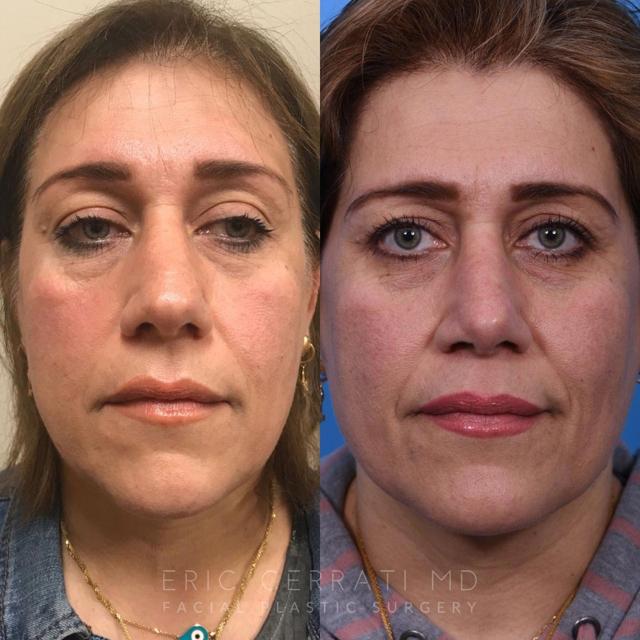 ResultEric W. Cerrati, MD, FACSSalt Lake City, UTPractice-published
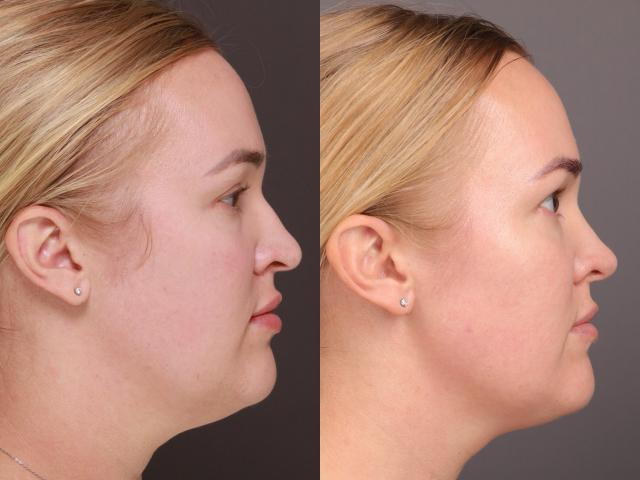 ResultUtah Facial Plastics & UFP Hair RestorationDraper, UTPractice-published
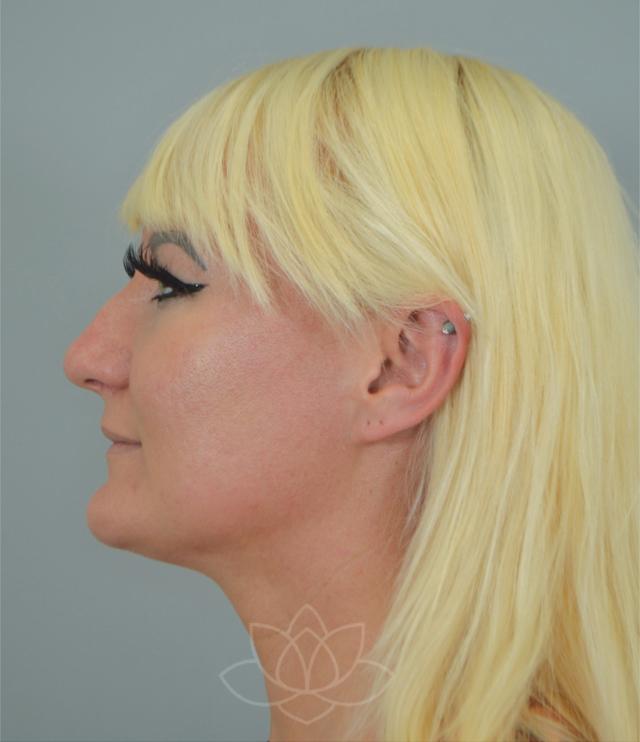 Before
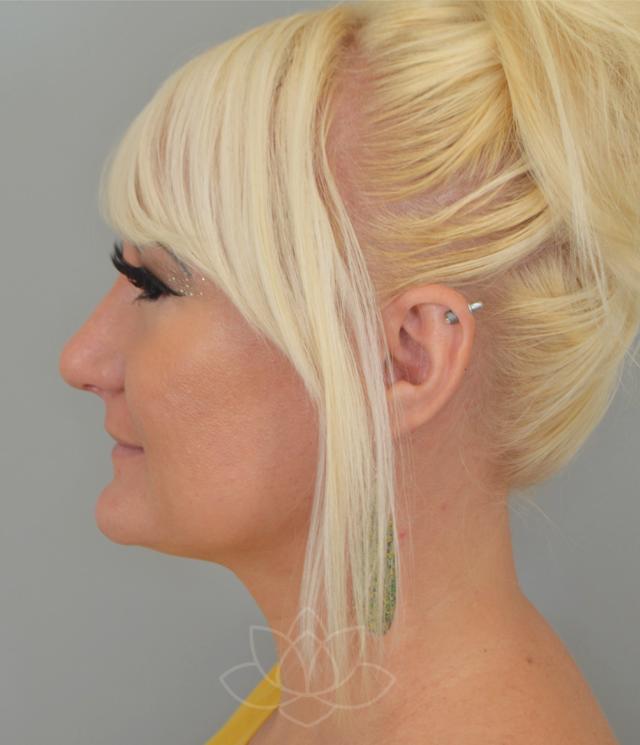 AfterJordan L. Wallin, MDSt. George, UTPractice-published
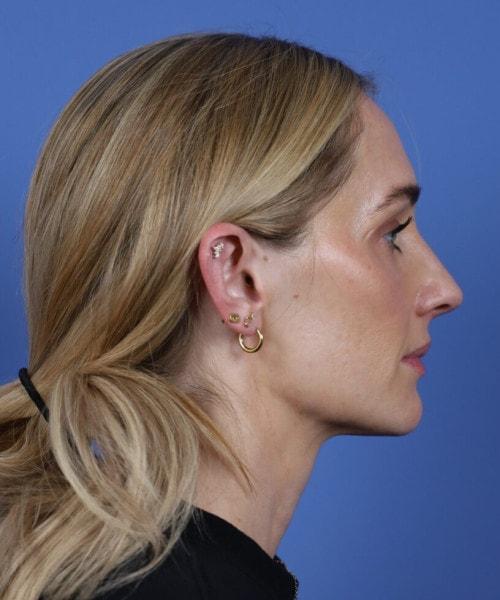 Before
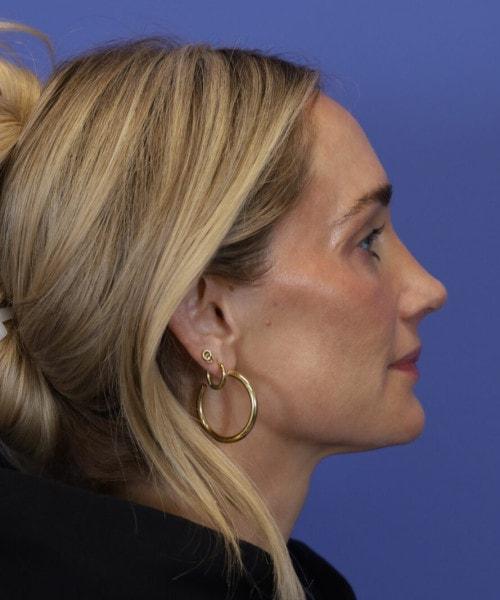 AfterBitner Facial Plastic Surgery of UtahLayton, UTPractice-published
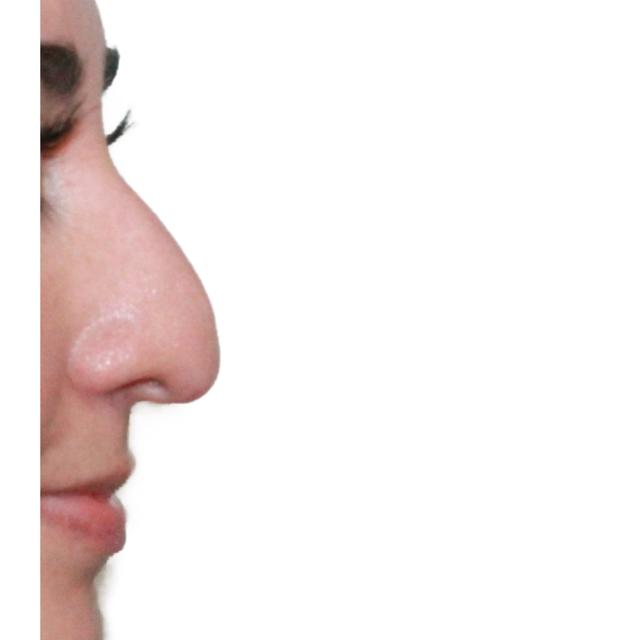 Before
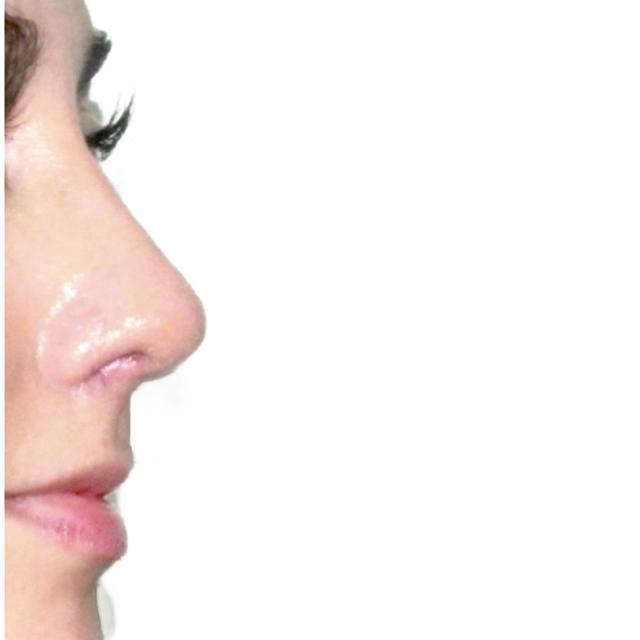 AfterDr. Nataliya BiskupWichita, KSPractice-published
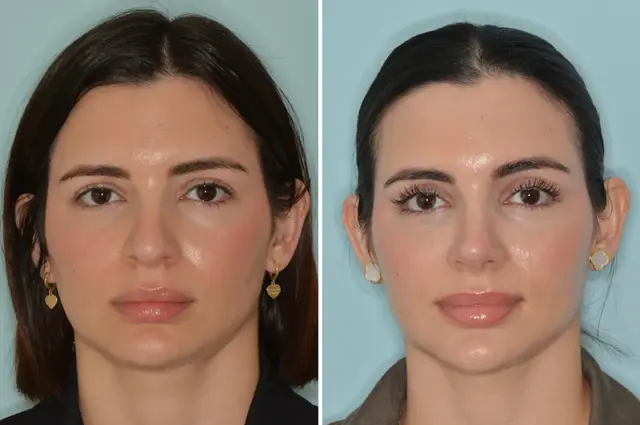 ResultDr. Anthony Bared Facial Plastic SurgeryMiami, FLPractice-published
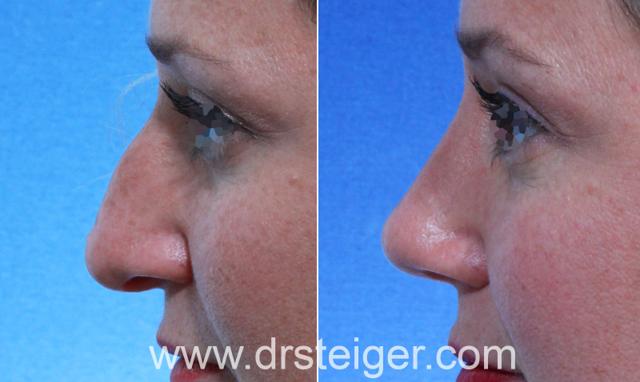 ResultSteiger Facial Plastic SurgeryBoca Raton, FLPractice-published
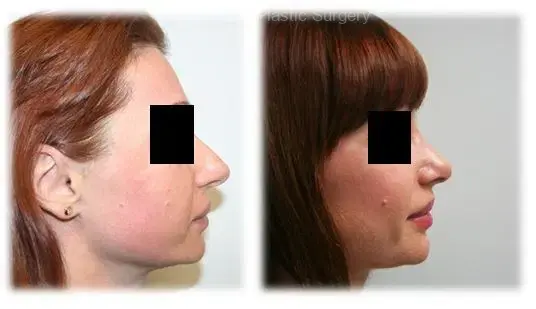 ResultThomassen Plastic SurgeryFort Lauderdale, FLPractice-published
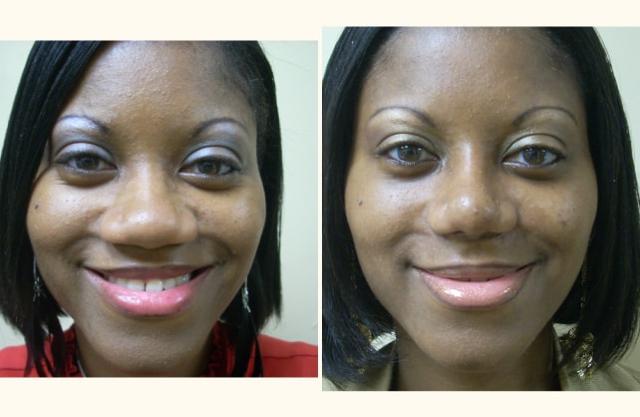 ResultAndrew P. Amunategui, MDAventura, FLPractice-published
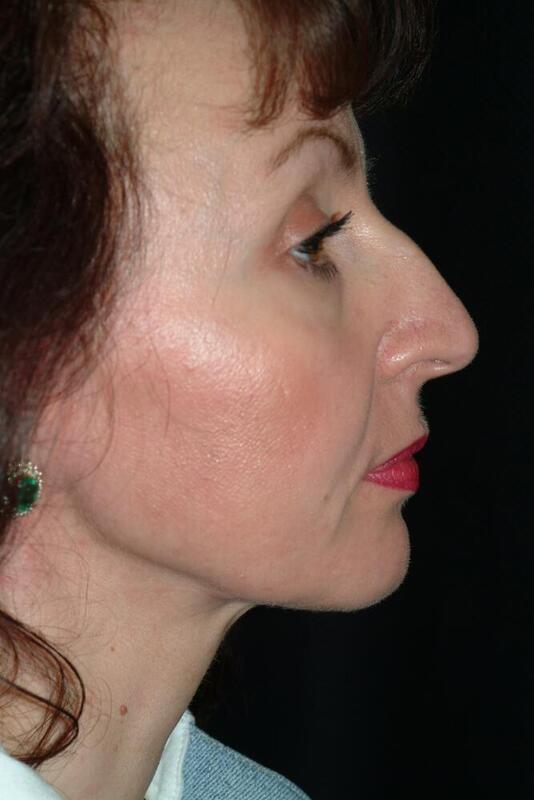 Before
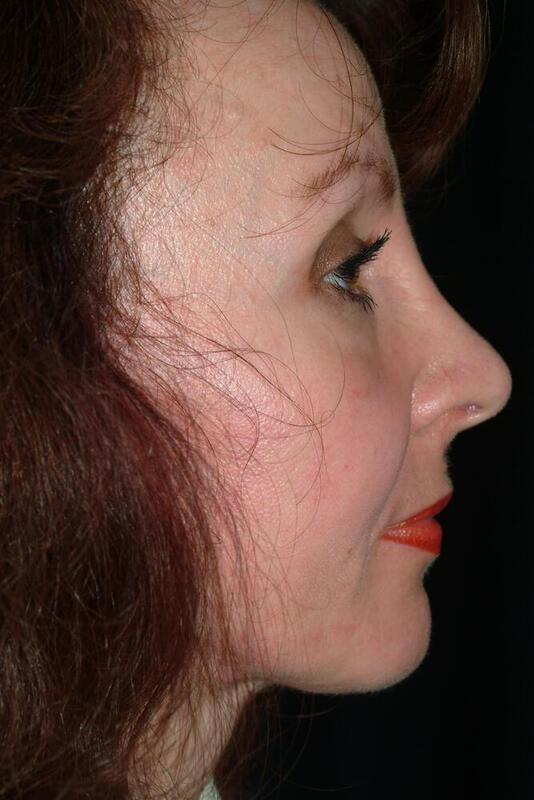 AfterHass Plastic Surgery & MedSpaPalm Beach Gardens, FL
Read these photos well
Start with the side view. Look at the line of the bridge and where the tip sits.
Check the angle between the tip and the upper lip, and whether the tip looks defined without looking pinched.
Look at straightness and width from the front, and at the nostrils from below when that view is shown.
A small turn of the head or light from above changes how a nose looks. Compare pairs taken the same way.
5,701 rhinoplasty results from 289 practices in 34 states.
Sorted by how many results each practice has published on Afters.
Start with your face
Match the bridge, tip, skin thickness, and facial proportions before you study the after. Similar starting anatomy makes a photo far more useful.
Build my shortlistFrom our rhinoplasty guides
Every answer names its source. Each guide shows the prices, studies and patient videos behind it.
Who it suits
Rhinoplasty, also called a nose job or nose surgery, changes nasal shape, breathing, or both, according to Mayo Clinic. University of Utah Health describes reshaping proportions and correcting breathing-related structural problems.
Growth assessment
16+No universal birthday cutoff
Later result assessment
12+ monthsGuideline follow-up
What it costs
Rhinoplasty cost falls between $8,350 and $14,350 for the middle half of 86 practices’ lowest eligible posted cosmetic-primary figures, from practices’ own pages checked October 16, 2026. 95 eligible rows supply one lowest figure per practice group; these are nearest-rank quartiles.
Middle half
$8,350–$14,35086 practice groups
Eligible rows
95Cosmetic primary only
Recovery
Rhinoplasty recovery usually needs about 1 week off work or school, according to Mayo Clinic’s October 2024 page, while MedlinePlus says the final result may take a year or longer. The Aesthetic Society describes about 2 weeks for initial recovery.
Time off, Mayo Clinic
About 1week, October 2024 FAQ
Initial recovery, Aesthetic Society
About 2weeks, undated education
You know more now. Compare several rhinoplasty results from each practice and ask what made each one possible.
BeforeAfterDr. Nataliya BiskupWichita, KSPractice-publishedResultDr. Anthony Bared Facial Plastic SurgeryMiami, FLPractice-publishedResultSteiger Facial Plastic SurgeryBoca Raton, FLPractice-publishedResultThomassen Plastic SurgeryFort Lauderdale, FLPractice-publishedResultAndrew P. Amunategui, MDAventura, FLPractice-publishedBeforeAfterHass Plastic Surgery & MedSpaPalm Beach Gardens, FLPractice-published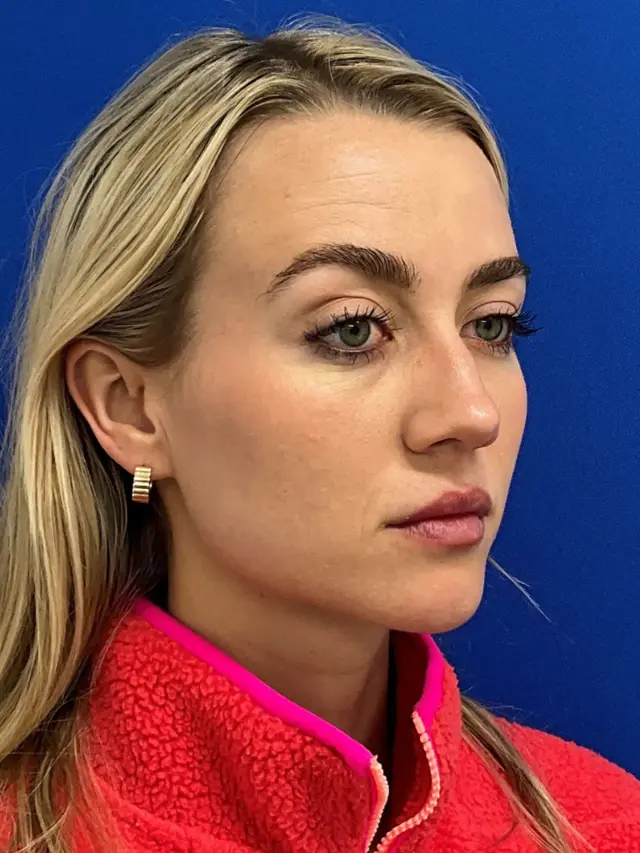 Before
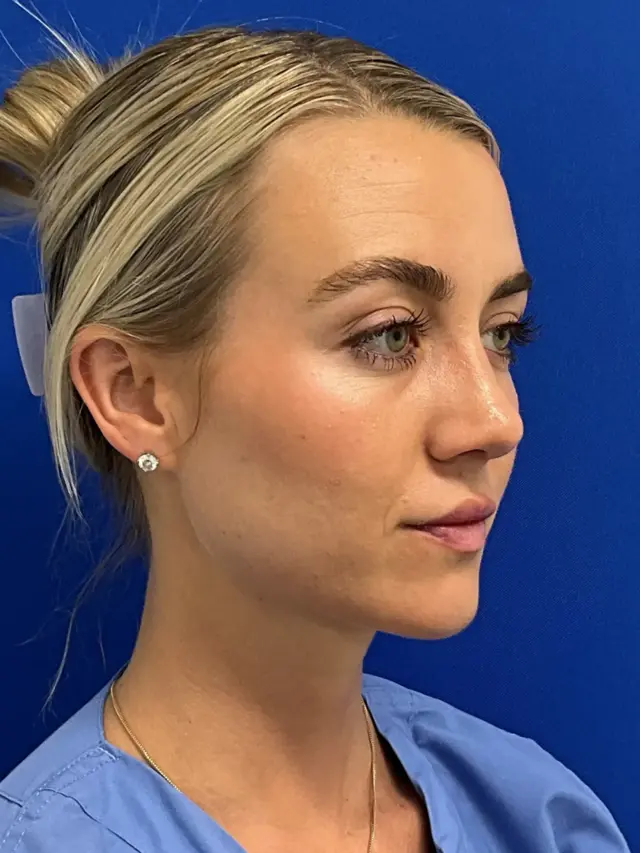 AfterPalm Beach Plastic Surgery InstituteWest Palm Beach, FLPractice-published
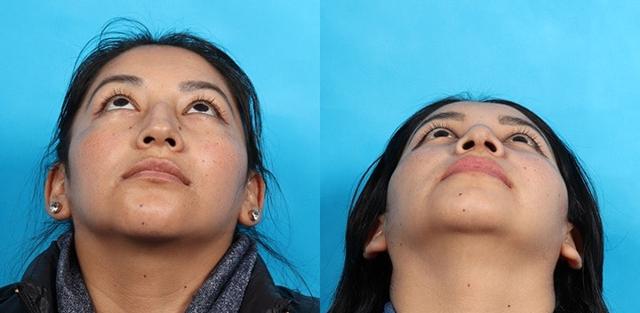 ResultPatrick Cleveland Facial Plastic SurgeryWest Palm Beach, FLPractice-published
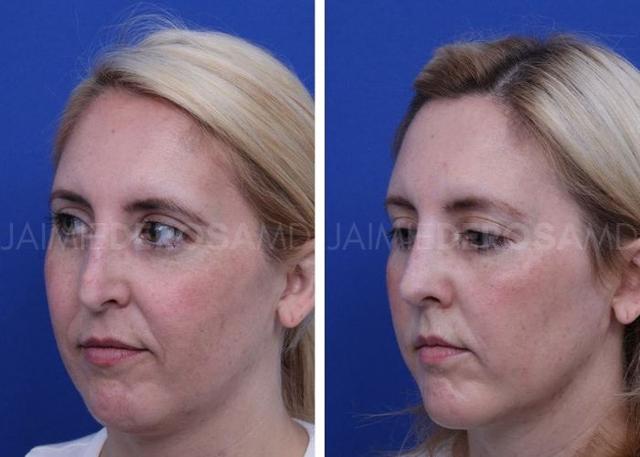 ResultThe DeRosa Center for Plastic Surgery – Palm BeachPalm Beach, FLPractice-published
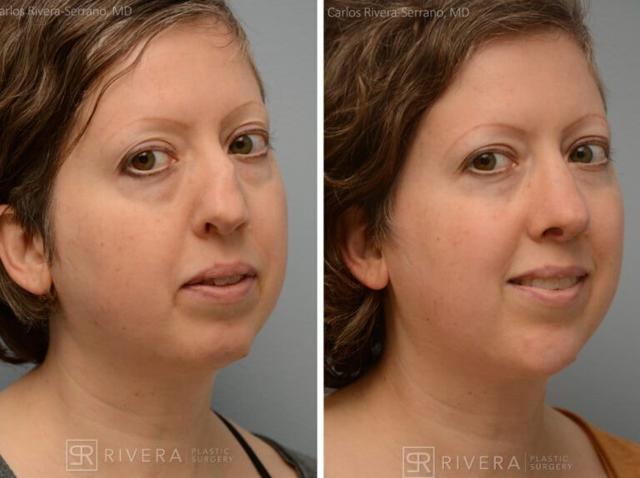 ResultRivera Plastic SurgeryMiami Beach, FLPractice-published
 ResultKismet Iorio Surgical SculptingSalt Lake City, UTPractice-published
 Before
 AfterJohn R. Bennett, MDDraper, UT
Rhinoplasty consultations move quickly from photos to breathing, technique, recovery, and cost. Bring one page that keeps the questions and the answers together.
Personalized for your Rhinoplasty consultation
Consultation cheat sheet
Personal planning edition
Before you go
Notes to bring home
Research on appearance bias
Compare several results from each practice. Then check the provider, consultation, travel, and follow-up plan.
 1Kismet Iorio Surgical SculptingSalt Lake City, UT
 2John R. Bennett, MDDraper, UT
 3Eric W. Cerrati, MD, FACSSalt Lake City, UT
 4Utah Facial Plastics & UFP Hair RestorationDraper, UT
Use these answers for a first pass. A qualified surgeon still needs to examine you, hear what you want, and explain the tradeoffs.
Each result is tied to the practice that supplied or published it. Afters does not independently verify every consent record, image history, surgeon, or outcome. If a case matters to you, ask the practice who performed it, when the photos were taken, and whether the patient gave permission for publication.
The useful after photos are taken once swelling has settled, often well after the 1-2 weeks downtime window. Early afters can look tight, high, or puffy. Ask when every photo was taken.
Start with befores that share relevant features, then compare front and side views, tip shape, bridge line. Published examples help you form questions; they do not verify the treating provider or predict your outcome.
Your anatomy, skin, and treatment plan shape the outcome. Use these photos to find a direction, then ask a surgeon what is realistic for you.
Open the profile that published a result you like and compare several examples. Then ask who treated each case, whether it is comparable to yours, and how the image was documented.
Keep doing the homework

A few saved photos are enough. Choose results that feel right for your starting point and your taste, then bring them into a consultation. Nothing goes to a practice until you share it.
Show me relevant resultsPrivate until you choose to share