
Rhinoplasty at one year: breathing, shape and the natural-result debate
At almost one year post-op, the patient shared 20 angles and an important functional update: a previously blocked nostril now felt clear. The discussion also shows why people can look at the same result and define “natural” differently.
AI-assisted editorial analysis based on the linked patient discussion and named sources.Educational only—not medical advice. How we write
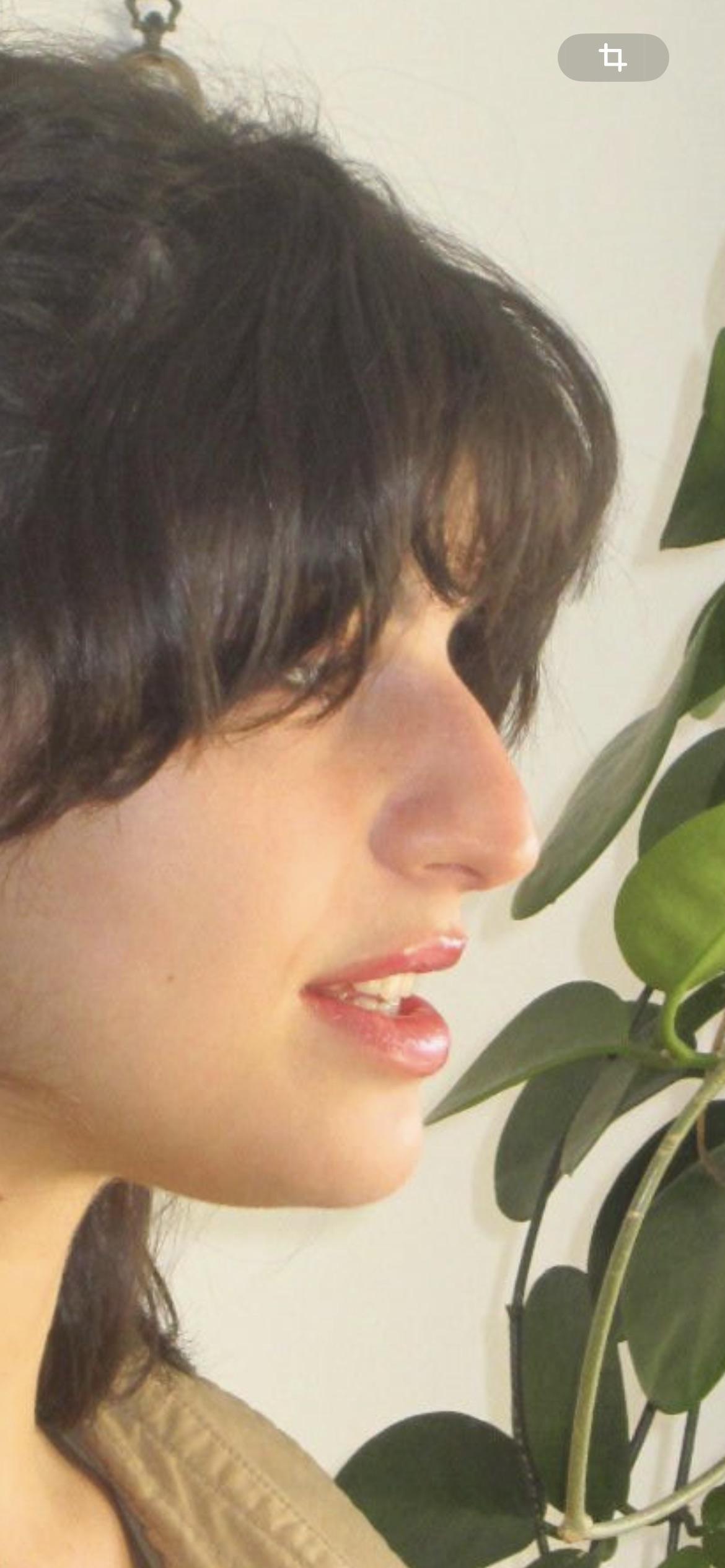
Before
The photo is only the beginning.
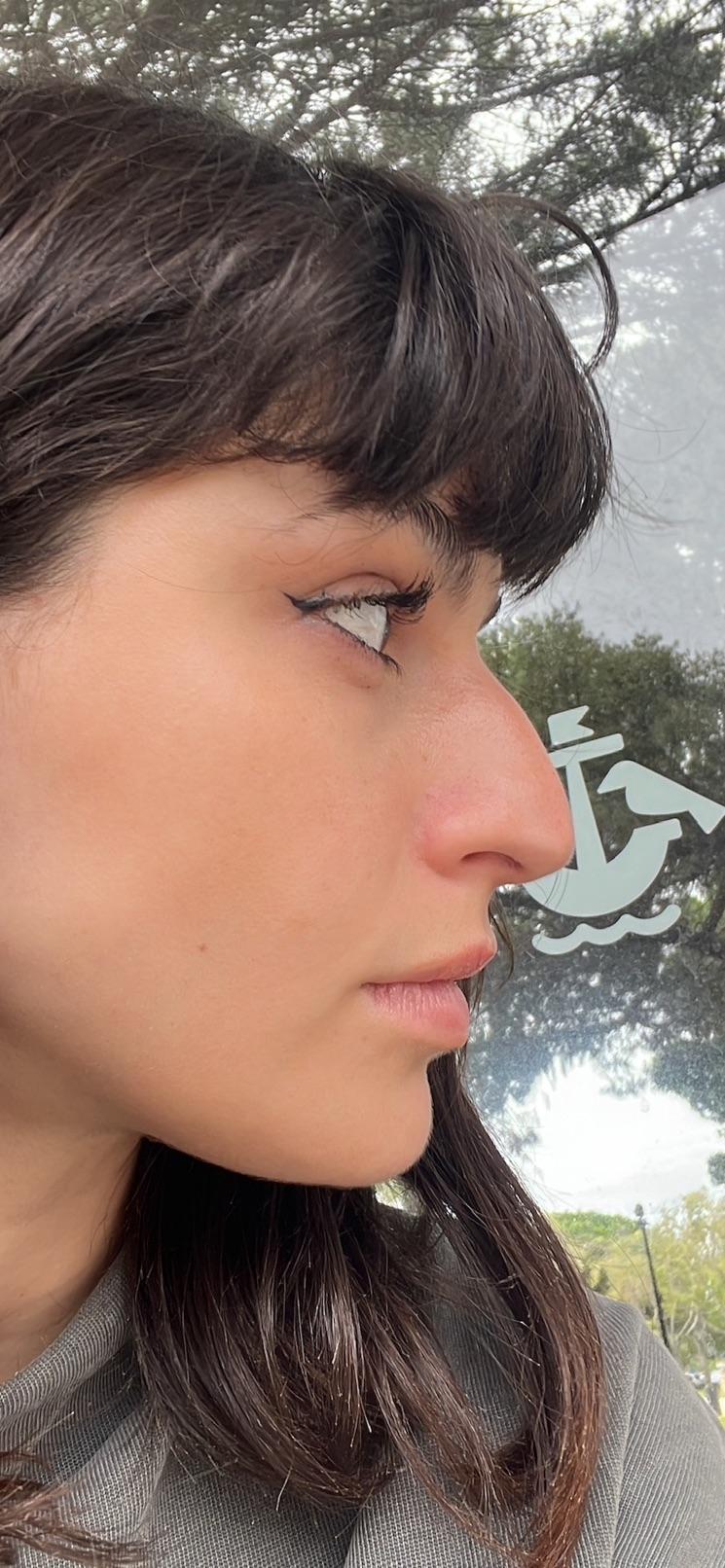
Timeline
Almost 1 year post-op
Photos posted
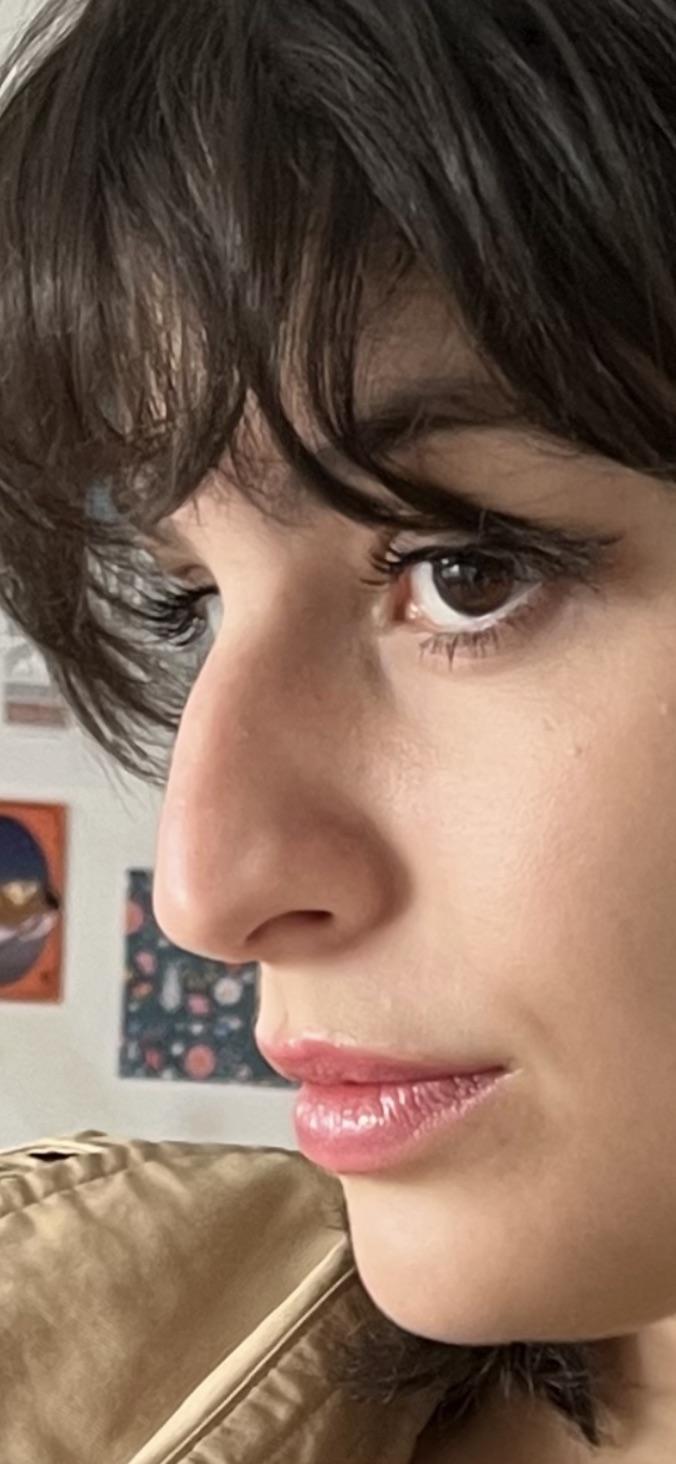
20 angles
Breathing
“10/10 now,” per the patient
The debate
Natural vs. “I’d clock it”
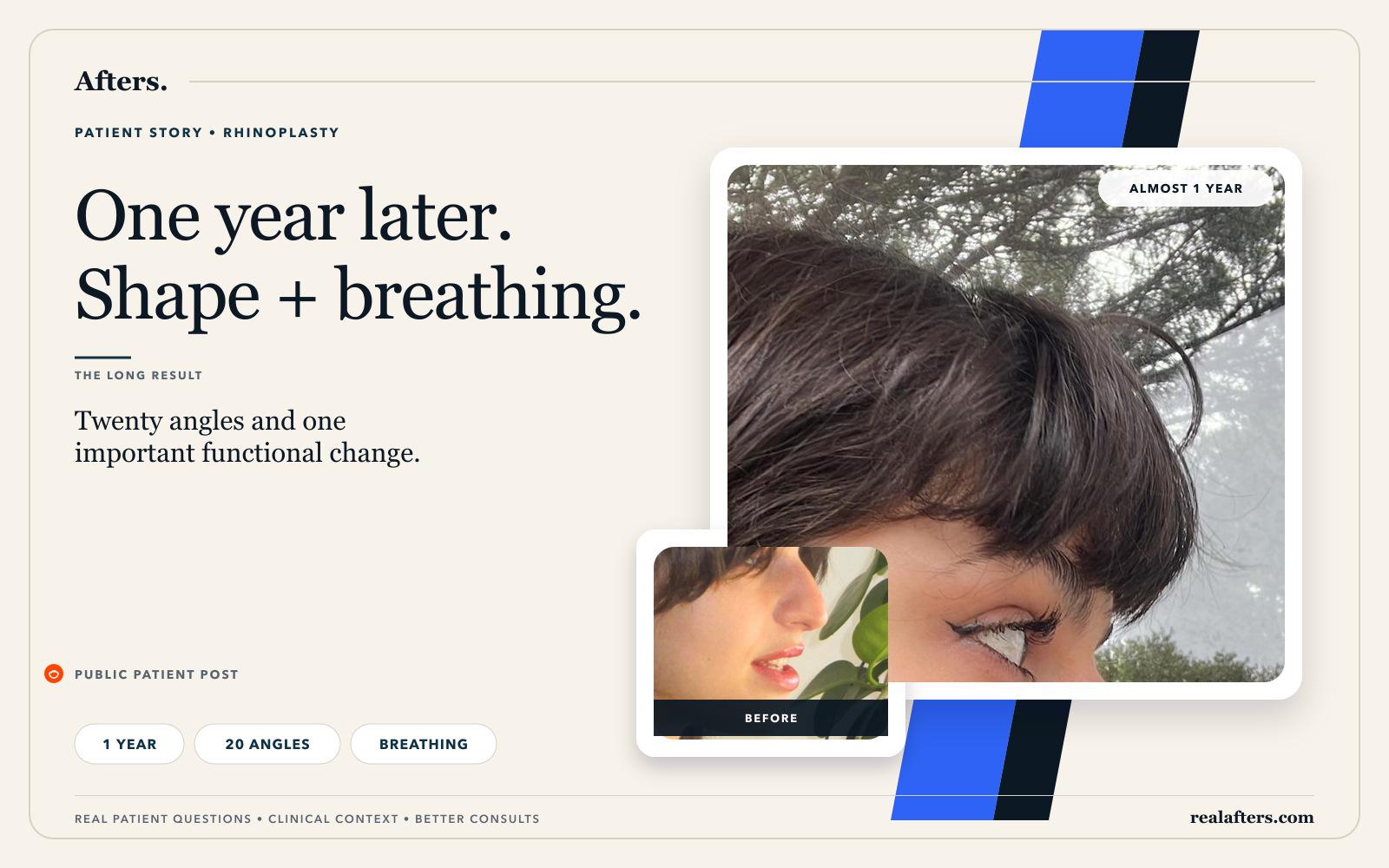
Compare real results
Compare noses with a similar starting point
One thread is one data point. Compare rhinoplasty results by hump, tip, breathing goal, angle, and timeline before defining what a good result means for you.
See rhinoplasty results1,633
score
311
comments
A patient-shared before-and-after at almost 1 year post-op, posted as a 20-photo gallery with one word of caption: “Opinions?” The comments delivered.
Also helpful
When 311 people argue about one nose, the argument is the education.
The photos show a textbook change: hump smoothed, droopy tip lifted. The comments show something photos can’t — that “natural” means different things to different people, and that you need to decide what it means to you before a surgeon ever touches your profile.
The comments are where people got honest.
The critique
"New nose is very beautiful but I’d immediately clock as unnatural"
The top critical comment, at 334 points. Not mean, just honest — and it kicked off the thread’s real conversation about what “natural” even means.
The close read
"The bridge looks smooth and the tip is lifted just enough without going overboard."
The opposite camp, reading the same photos. Both takes are sincere. That split is normal for noses, and it’s worth knowing before you post your own.
The receipt everyone scrolled past
"My breathing now is 10/10, I didn’t breathe from one nostril before."
The patient, in the comments. She also said she sleeps better and exercise feels easier. The prettiest photo in the gallery can’t show you that.
What actually changed (read the profile like a surgeon would)
Before: a dorsal hump and a tip that pointed down, which visually dragged the whole profile. After: a smooth bridge and a lifted tip. One commenter said the change made her philtrum look longer — and her answer was honest and useful: the old droopy tip was covering that distance, so of course the proportion reads differently now.
That’s the part worth stealing for your own research. A nose is not edited in isolation. Change the tip angle and the upper lip, the chin, even the eyes read differently. Ask any surgeon you consult to talk through those knock-on effects on your face, not a stock diagram.
What the comments got wrong
A chunk of the room called the result too identifiable — a “done” nose. Here’s what that take misses: she never said invisible was the goal. She wanted the hump gone and the droop lifted, she got pretty much exactly what she asked for, and she said she feels really pretty. A result can be noticeable and still be correct, because correct means matching the patient’s brief.
This is the part nobody wants to hear, though: if you post your nose on the internet, some people will prefer the before. It happened here, at scale, to a result with 1,633 upvotes. She also admitted she had to adjust to her new face — her words — knowing perfection was never on the menu. Decide what you want before you crowdsource opinions, or the crowd will decide for you.
Write down your goal in one sentence before any consult: “remove the hump, lift the tip, keep it looking like me” is a brief a surgeon can execute.
Ask to see healed noses with your starting anatomy — hump plus droopy tip — not a general highlight reel.
Expect mixed reviews from other people. The only review that matters long-term is yours at month 12.
The breathing receipt (the unsexy part that matters most)
Buried in the comments: she couldn’t breathe out of one nostril before surgery. Now she rates her breathing 10 out of 10, sleeps better, and says workouts feel easier. Functional repair and cosmetic change happened in the same operation — which is common, and worth asking about if your nose whistles, blocks, or collapses on hard inhales.
The risk side, stated plainly: rhinoplasty is real surgery. The tip can stay swollen and numb for a year or more, breathing can change in either direction if structure isn’t handled carefully, and national revision estimates aren’t trivial — which is why the 1-year photo, not the 1-month photo, is the honest scorecard. She didn’t share her surgeon publicly, only by DM, so no, we can’t tell you who did it — and any article that pretends to know is making it up.
Better consult question
Instead of “will it look natural?” ask: “On my face, what would you change, what would you refuse to change, and what will still be settling at month 6?”
Ask these before rhinoplasty
Her gallery is great inspiration. Your consult should still be about your anatomy, your breathing, and your one-sentence brief.
What exactly would you change on my nose, and what would you leave alone?
How much tip lift would you plan for me — and at what point would it read upturned?
Is anything structural affecting my breathing, and would you fix it in the same surgery?
How does my skin thickness change what’s achievable and how long swelling lasts?
Can I see 1-year photos of your patients who started with a hump and a droopy tip?
What is your revision rate and policy if I need a touch-up?
ASPS: rhinoplasty overview
Clinical baseline for what rhinoplasty can address, including profile humps, tip position, and breathing-related structural work.
Original Reddit thread
The source post with the 20-photo gallery, the natural-versus-noticeable debate, and the patient’s replies about breathing, sleep, and adjusting to her result.
The questions that usually come next
Is 1 year the final rhinoplasty result?
Close. Most swelling is gone by a year, but the tip can keep refining past 12 months, especially with thicker skin. Surgeons usually treat the 1-year photo as the honest checkpoint.
Can rhinoplasty fix breathing problems?
Often, yes — septal and structural work can be combined with cosmetic changes. This patient went from one blocked nostril to what she calls 10/10 breathing.
Will people be able to tell I had a nose job?
Depends on how much changes. Removing a hump and lifting a droopy tip is visible by design. Decide whether your goal is undetectable or corrected — they’re different briefs.
What if people liked my old nose better?
Some will say so, especially online. What matters is whether the result matches what you asked for and how you feel at the settled stage, not the comment section.
Compare noses with a similar starting point
One thread is one data point. Compare rhinoplasty results by hump, tip, breathing goal, angle, and timeline before defining what a good result means for you.
See rhinoplasty results