
At 3.5 months after a deep plane facelift, the biggest win was still looking like herself
If you’re lying awake picturing your own face after this surgery, you already know the glossy after photo isn’t the part you need. You need the swelling, the cost, the numbness, the day you go back to work, and whether anyone can tell. This is one woman who shared all of it.
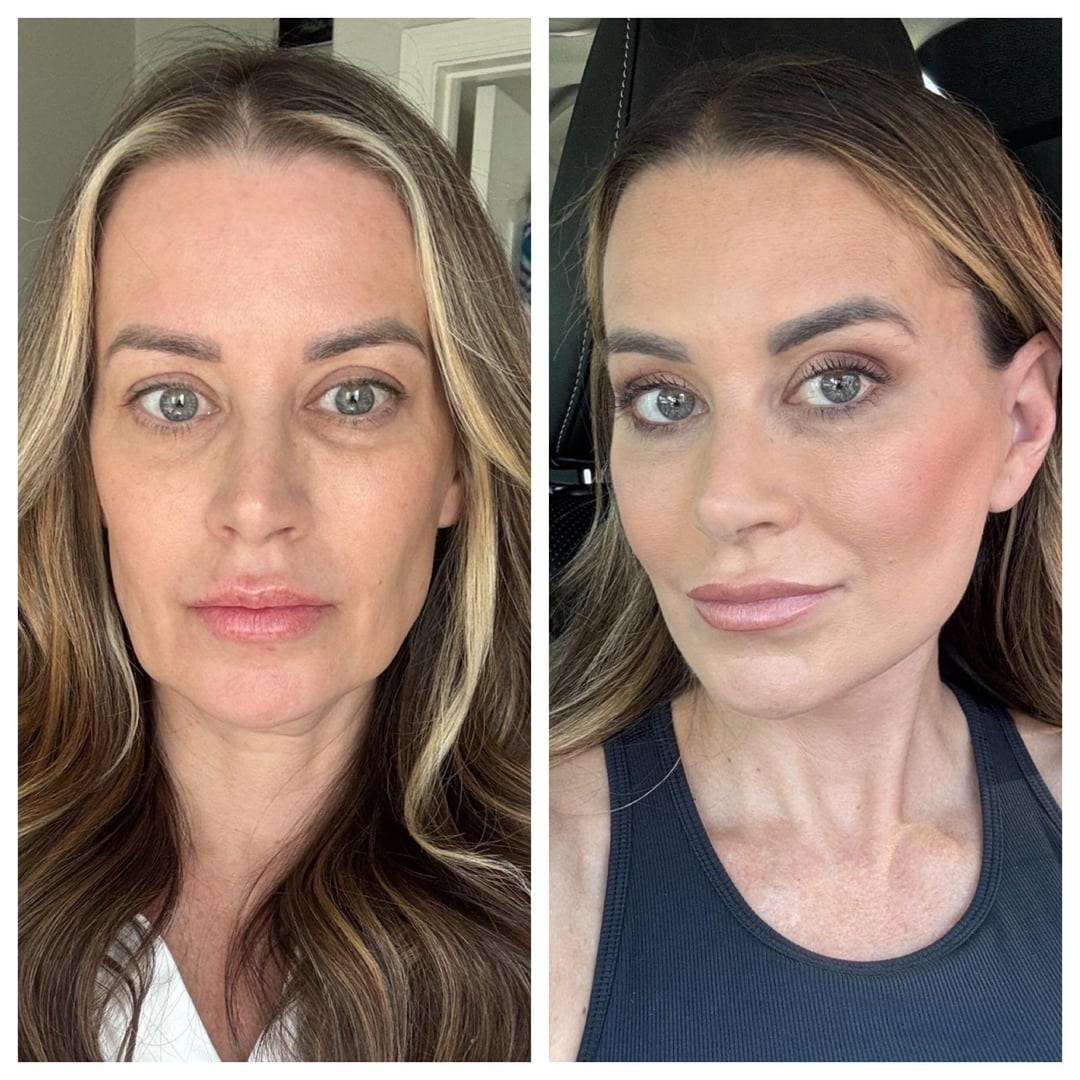
Patient-shared update
The photos are striking. The honesty is what makes this worth your time.
She shared her age, the procedure mix, her surgeon, the cost, the healing timeline, what still felt strange, and what she’d think about adding later.
Age
50
Timeline
3.5 months
Total cost shared
$34k
Procedure mix
4-part plan
What caught the eye
A clean jawline and neck at 3.5 months.
What made it believable
She still talked about numbness, swelling, and tightness.
What made people ask
The result looked refreshed without announcing itself.
Explore on Afters
Let this story tell you what to compare: profile, neck, jawline, timeline, and whether the result still looks like the person behind it.
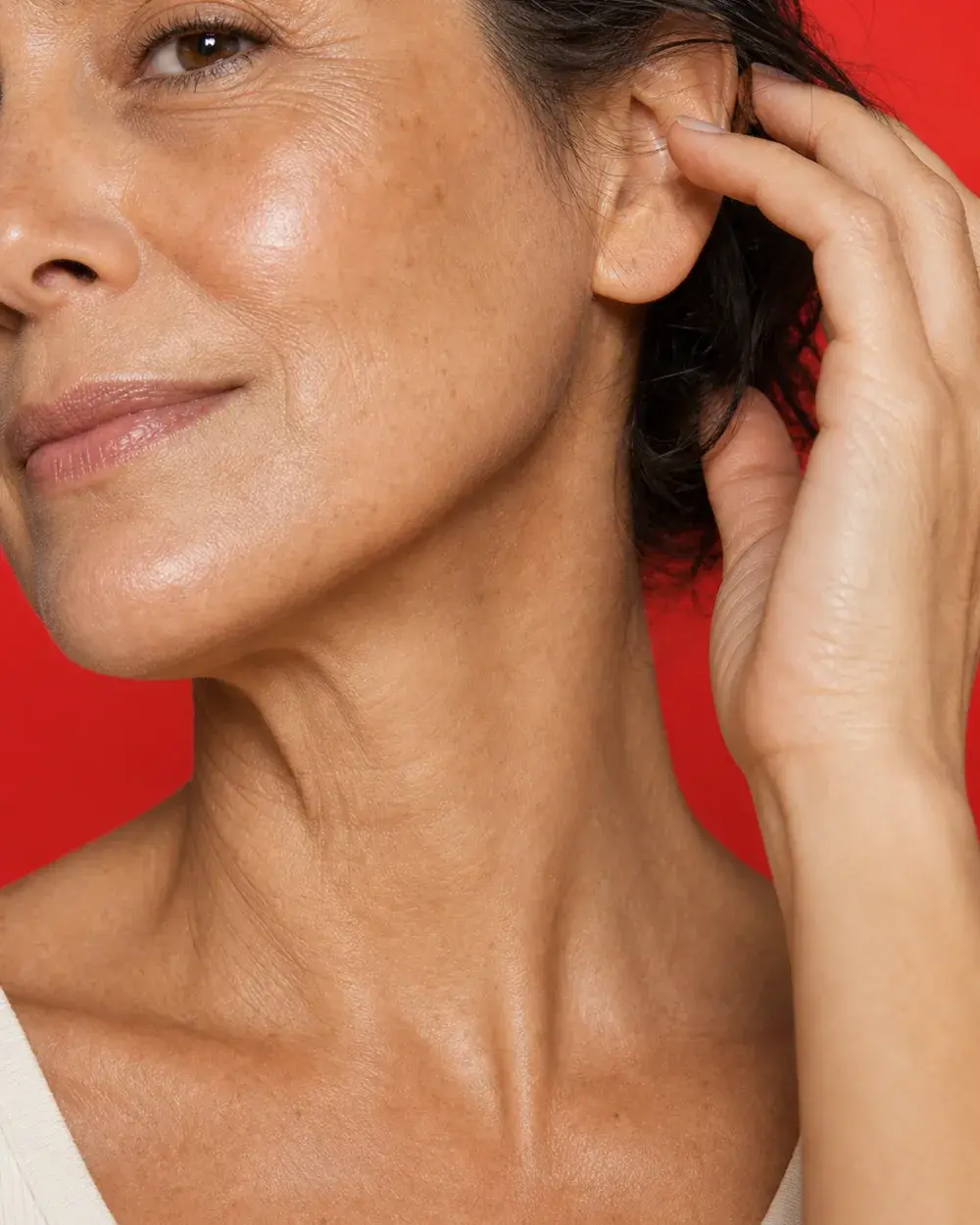
Facelift
Compare results that still look like the patient
Also helpful
Facelift before-and-after photos
Compare jawline, neck, profile, and natural-looking results across real galleries.
Cosmetic surgery cost guide
See how procedure mix, surgeon, anesthesia, and location affect pricing.
Questions to ask before surgery
A broader consult prep guide for choosing a surgeon with more confidence.
What she shared at 3.5 months
Main concerns
Sagging jowls, skin laxity, and neck
Procedure plan
Deep plane facelift, vertical neck lift, temporal lift, partial fat transfer
Recovery detail
Back to work by day 12; tightness easing around weeks 4 to 6
What she liked
Natural jawline and neck improvement without looking obviously done
The part a polished before-and-after usually skips
She was 50. The photos hit you first. But if you’re picturing your own face, the part that matters is what the photos can’t show: the rough first stretch, the day-12 return to work, the tight band under her neck, and the numbness still hanging around her ears and scalp at 3.5 months.
That’s the part no gallery can tell you. A result can look calm in a square image while the person behind it is still quietly clocking swelling, tightness, weird sensations, bad sleep, and that small fear of being found out.
The human part
You probably don’t want to look like a new person. You want the outside to feel a little closer to how you already feel on the inside.
This wasn’t one little tweak
Here’s something worth knowing before you compare yourself to her. This wasn’t a single procedure. A deep plane facelift lifts the deeper muscle layer, not just the skin, and hers came with a neck lift, a small lift at the temples (a temporal lift), and a little of her own fat moved in to fill hollows.
Deep plane facelift
Vertical neck lift
Temporal lift
Partial fat transfer
That’s why the cost answer mattered so much. When someone asked how much the deep plane facelift ran, she said around $34,000, then clarified that all of it was bundled into one surgery.
What 3.5 months really means
At 3.5 months the result can already look really good, but it’s not necessarily the finish line. In the comments she said her surgeon expected the leftover swelling to keep improving and the final result to settle in around 6 to 12 months.
And about that numbness still hanging on near her ears and scalp: if that’s the detail that scares you most, you’re not being dramatic. Most people aren’t warned how long the skin can feel strange, and it’s one of the quieter parts of recovery nobody posts about. It often keeps fading for months. ASPS notes that swelling, bruising, numbness, tingling, and tightness can all show up during facelift recovery, and many people feel ready for work or light activity near the end of week 2. Mayo Clinic lists swelling, bruising, and numbness as common too.
Clinical context
ASPS notes that swelling, bruising, numbness, tingling, and tightness can occur after a facelift, and many people feel ready for work near the end of week 2.
Mayo Clinic lists swelling, bruising, and numbness among common post-facelift experiences, with urgent symptoms that should be escalated right away.
Back to work
She said she returned by day 12.
Swelling
Most noticeable in the first two weeks, then slowly tapered.
Neck tightness
The tight band feeling eased around week 4.
General tightness
She said it had mostly subsided around week 6.
Numbness
Still present near the ears and scalp at 3.5 months.
Final result
Her surgeon told her to expect continued refinement over 6 to 12 months.
The part you probably care about most
The comments were full of dramatic age reactions, but the question underneath was the quiet one you’re likely asking too: did she still look like herself?
She said no one had called her out for looking different. The close friends who knew about the surgery told her the jawline looked sharper but still natural. If that’s the line you’re scared of crossing, this is exactly the kind of result you’re hoping for.
Real-life reaction
"No one seems to have noticed, and if they did, they haven’t said anything."
If you’re quietly terrified of people knowing, this is the line you’re hoping for. People sense something looks fresher, but they don’t immediately clock surgery.
Natural result
"My friends who do know say that my jaw looks snatched but it looks very natural."
The win wasn’t looking like a different person. It was seeing her jawline and neck finally match how she wanted to feel.
Cost clarity
"Around $34000."
One short answer told you the practical part you actually came for: what a multi-procedure plan like this can really cost.
Perimenopause context
"Everything changes and nothing feels normal right now."
If your face has started feeling unfamiliar lately, you’ll recognize this. The story isn’t only about skin. It’s about a stage of life where you don’t quite recognize yourself.
The questions you’d actually want to ask
When a result looks this natural, you don’t just admire it. You start wanting the receipts. What did it cost? What exactly was included? Did anyone notice in real life? Was she still numb? Could she wear her hair up? These are the questions that surface once a photo makes the whole thing feel possible, and they’re the ones worth carrying into a consult.
How much did the whole surgery cost?
Was $34k only for the facelift or everything together?
Did people in real life notice?
Did she still look like herself?
What did recovery actually feel like?
How visible were the scars?
How to actually look at facelift photos
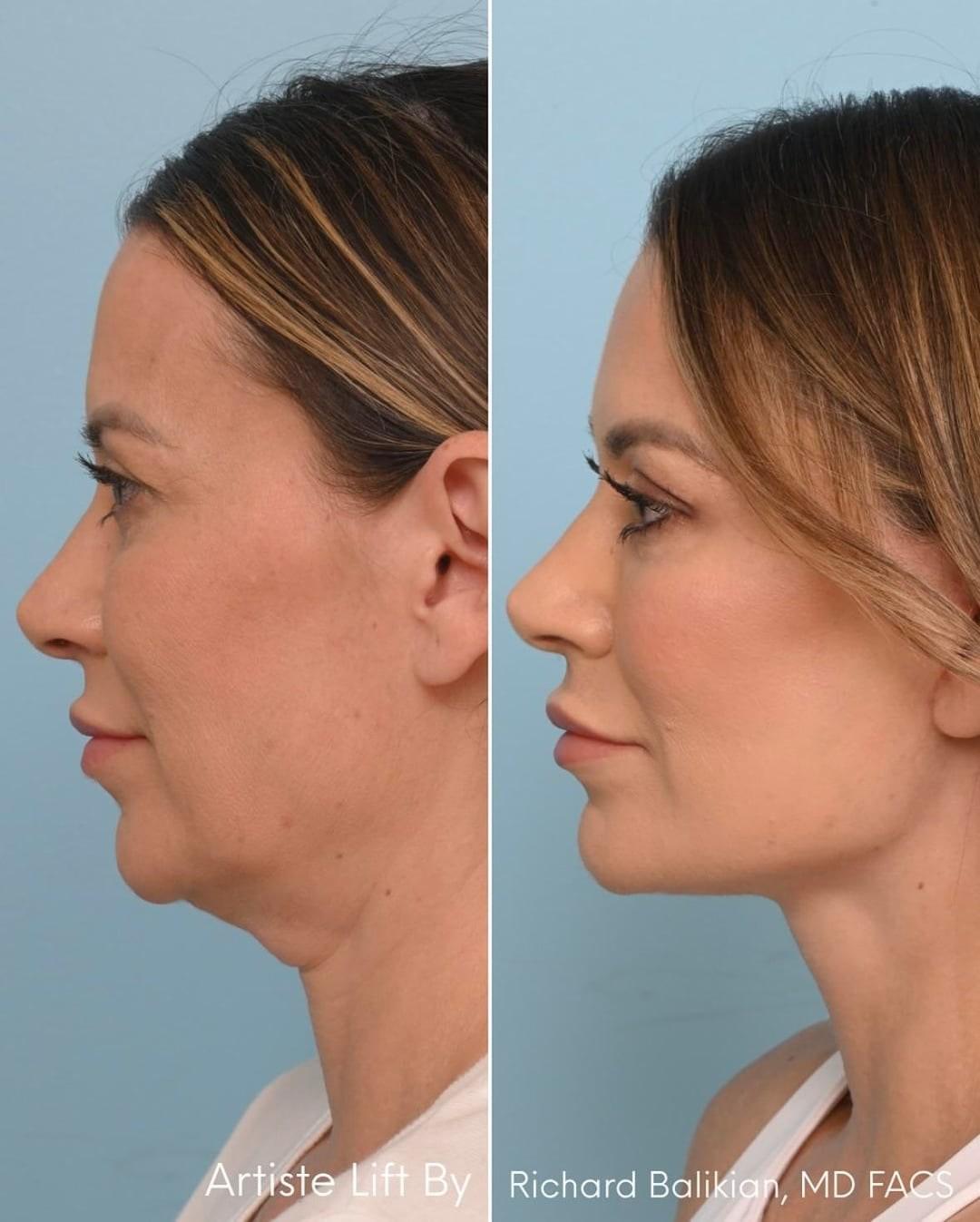
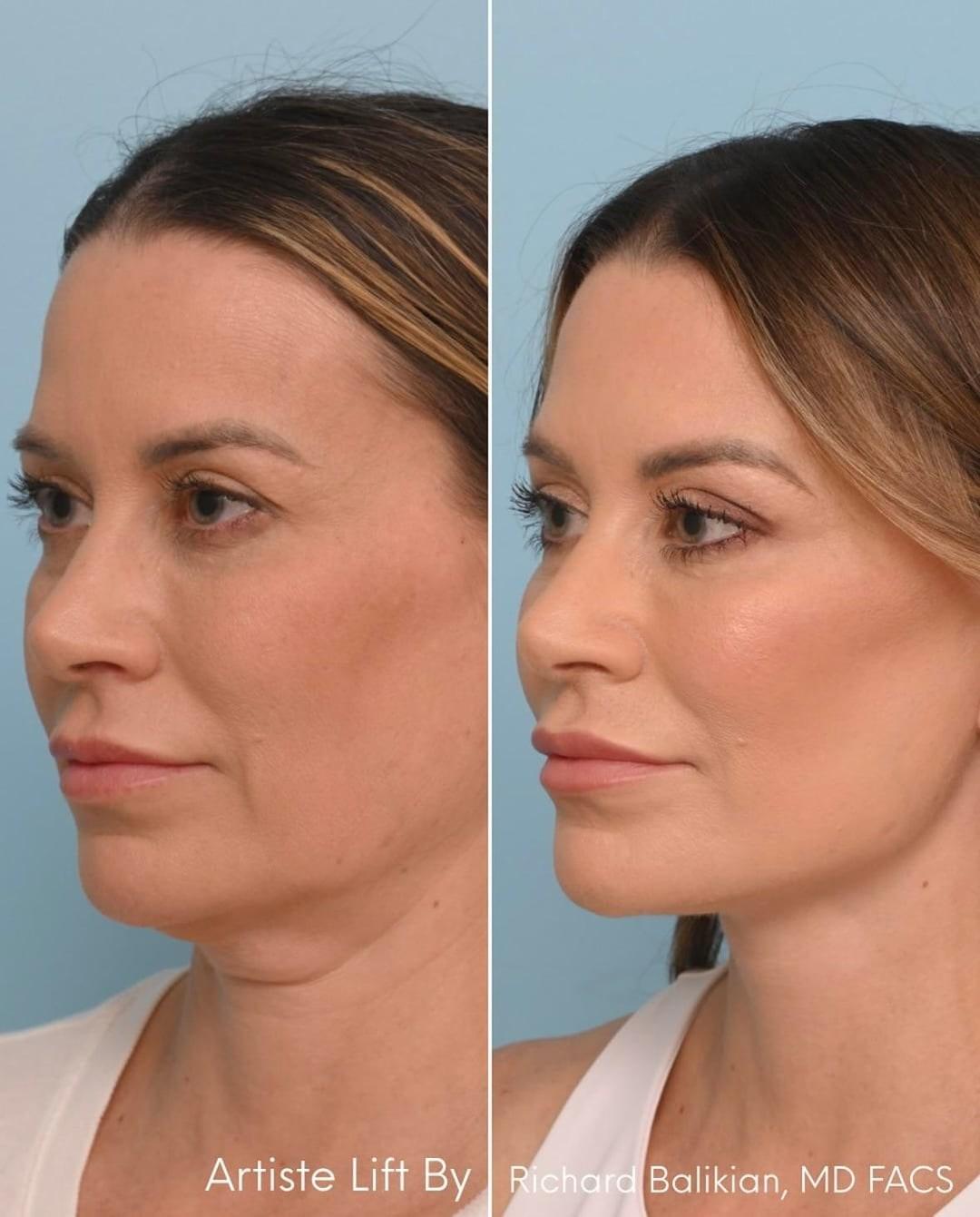
A front-facing before-and-after is easy to fall for, but the decision really lives in the profile, the jawline, the neck, and whether the face settles back toward itself without looking pulled. Here’s what to look for when you’re studying someone’s results late at night.
Look at the side profile, not only the front-facing glamour angle.
Check whether the jawline looks defined without the neck looking pulled tight.
Compare the under-chin area and the transition from face to neck.
Notice whether the cheek looks restored or puffy and done-looking (overfilled).
Ask how many months post-op the after photo was taken.
Look for scar and hairline context if the patient is comfortable sharing it.

Questions to bring to your own consult
Use this story as language, not as a promise. Your anatomy, skin quality, hairline, scars, volume loss, recovery timeline, and budget might all point you toward a different plan than hers. These questions just help you start the conversation from a real place.
Would my concerns be addressed by a facelift, neck lift, fat transfer, laser, or a combination?
What part of my result would come from lifting tissue versus adding volume?
How do you protect against a pulled or wind-swept look?
Where would my scars sit, and can I see ponytail or hair-up scar examples?
When do your patients usually look social-ready, work-ready, and photo-ready?
What can still change at 3 months, 6 months, and 1 year?
The bottom line
What makes this one worth your time is that it feels real. You get the details you’d normally have to dig through comments for: what it cost, when she went back to work, what still felt numb, what she wished she’d added, and how people actually reacted.
If you’re researching your own facelift, that’s the bar to hold a result to. Not just a younger face, but one that still feels like you.
Questions this story answers
Is 3.5 months after a facelift the final result?
No, and if you’re counting the days, that’s worth knowing. A 3.5-month update can show a lot, especially around the jawline and neck, but residual swelling and tissue settling can keep changing for months. In this story, she said her surgeon expected final results around 6 to 12 months.
Is numbness normal after a facelift?
It’s common, and it can be unsettling when no one warned you. Mayo Clinic lists numbness as something patients may have after a facelift. ASPS also notes that swelling and bruising can cause numbness, tingling, and tightness in the early weeks. Anything persistent, painful, or worsening is worth a call to your surgeon.
When did this patient go back to work?
She said she went back to work by day 12. That’s one person’s experience, not a universal timeline. ASPS says many people feel ready to return to work and light activity near the end of the second week, depending on their healing and surgeon guidance.
How much did this facelift story cost?
She said the total was around $34,000, and she clarified that it covered the deep plane facelift, vertical neck lift, temporal lift, and partial fat transfer in one surgery.
What should I look for in facelift before-and-after photos?
Look at the jawline, neck, cheek position, hairline, ear area, scar placement, side-profile change, and whether the person still looks like themselves. Check the timeline too, because a 3-month result is a different thing from a 1-year result.