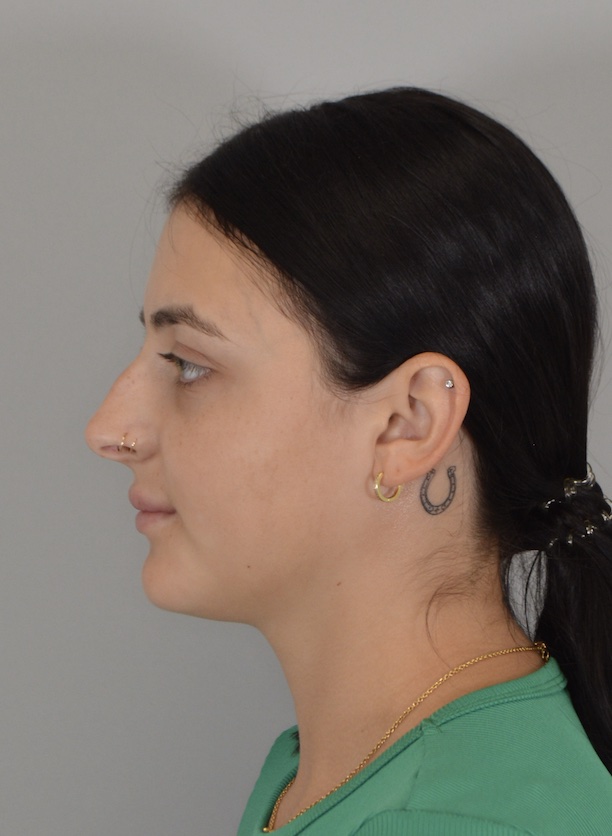
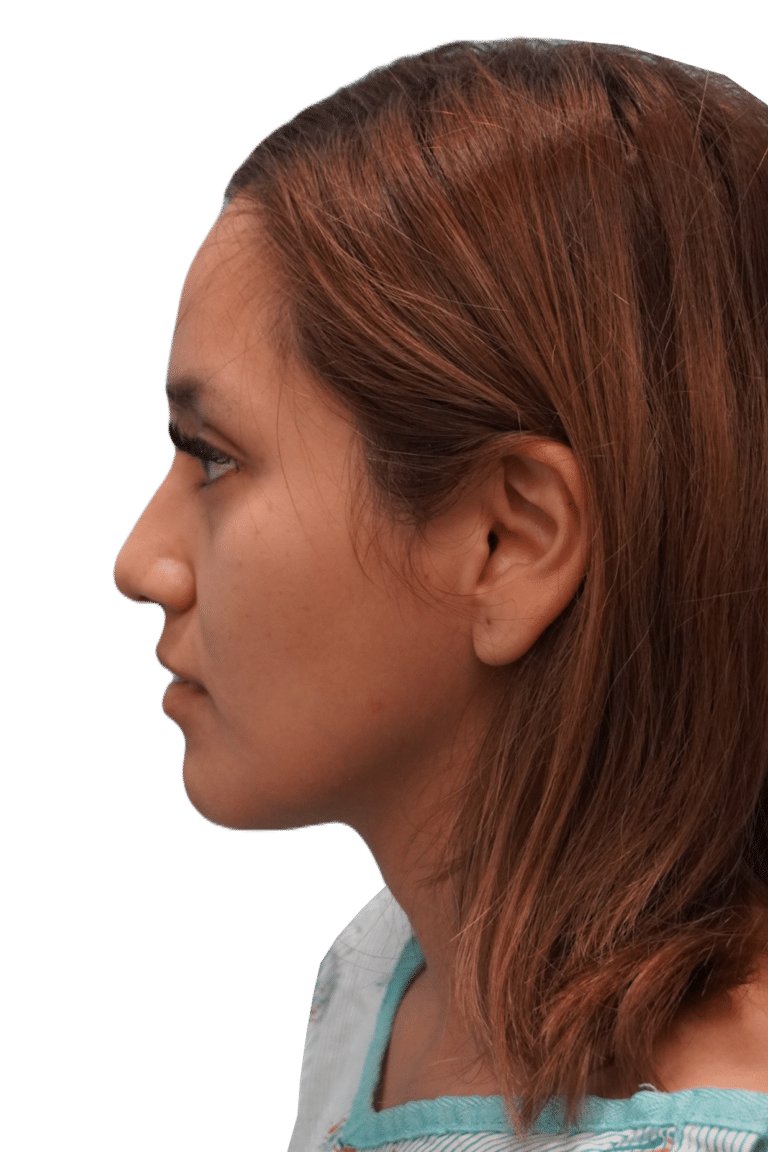
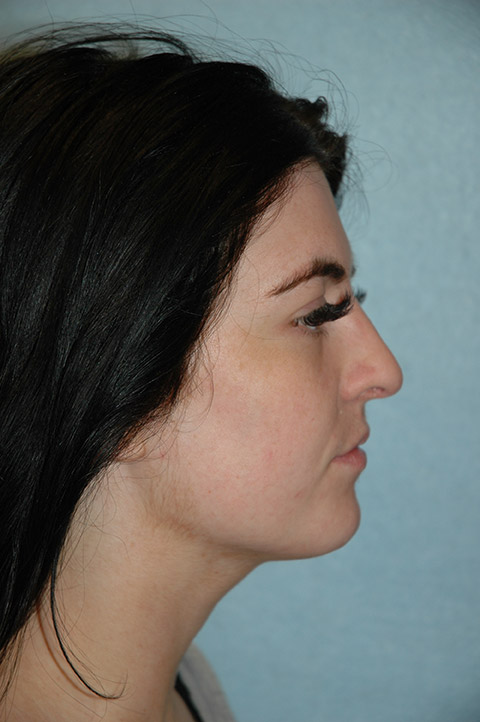

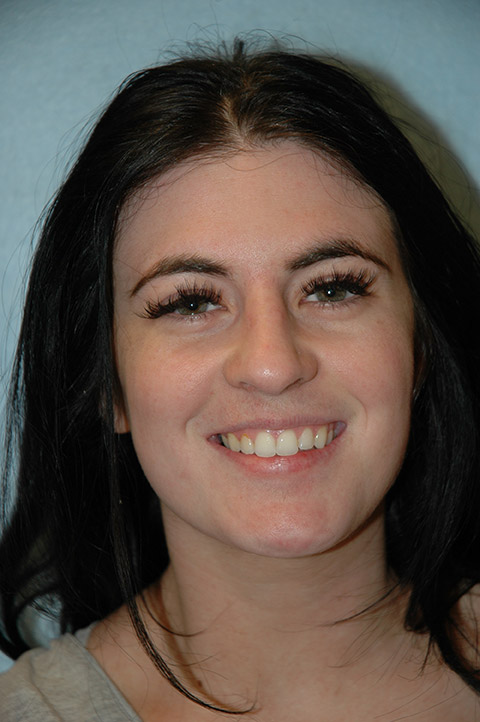
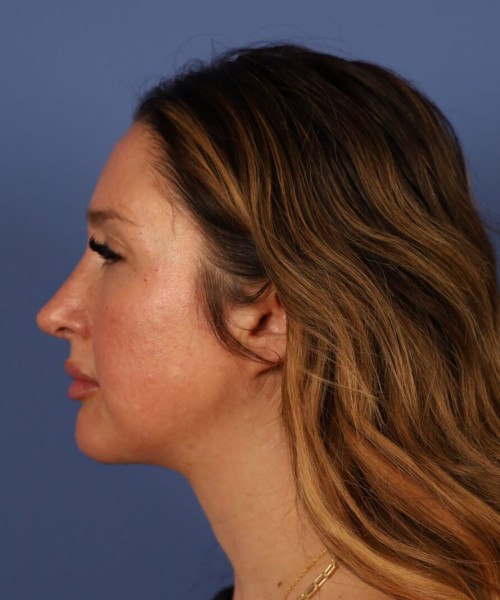
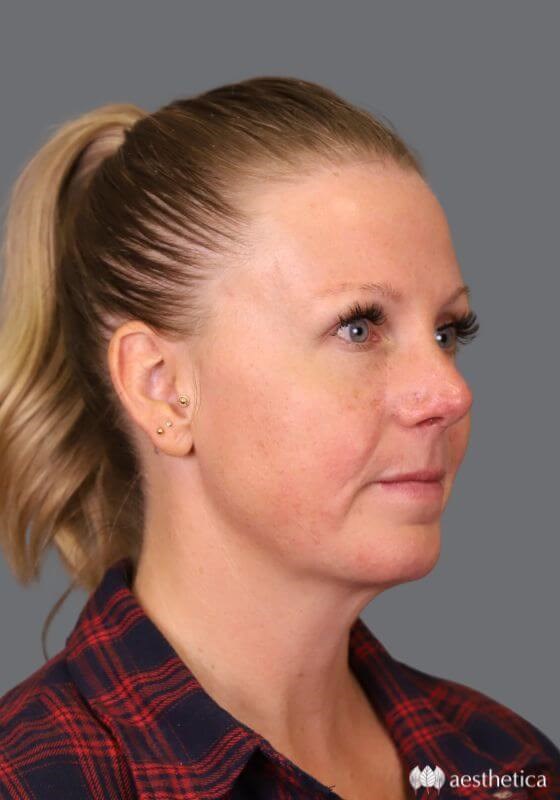
Liquid Rhinoplasty in Sandy, UT
Also called Non-Surgical Nose Job
Find the best board-certified liquid rhinoplasty (non-surgical nose job) surgeons in Sandy, UT. Compare real before & after results, transparent liquid rhinoplasty pricing, and honest reviews from verified specialists.
Cost in Sandy
$800 - $2,500
Recovery
No downtime
Medically reviewed
Board-certified cosmetic surgery advisors · Updated
Best Liquid Rhinoplasty Surgeons in Sandy
Choosing the best liquid rhinoplasty (non-surgical nose job) surgeon in Sandy comes down to board certification, a consistent before & after portfolio with results similar to your goals, and how comfortable you feel in consultation. The specialists below are ranked by verified results and patient activity on Afters.
What is liquid rhinoplasty?
Liquid Rhinoplasty (commonly called a non-surgical nose job) is a treatment that addresses specific aesthetic concerns through non-surgical means. Performed under topical anesthesia, it typically takes 15-30 minutes and requires No downtime of initial recovery.
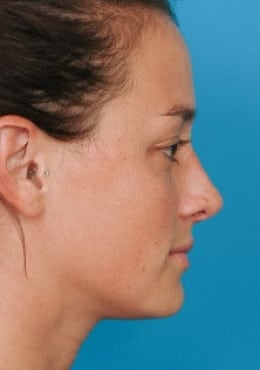
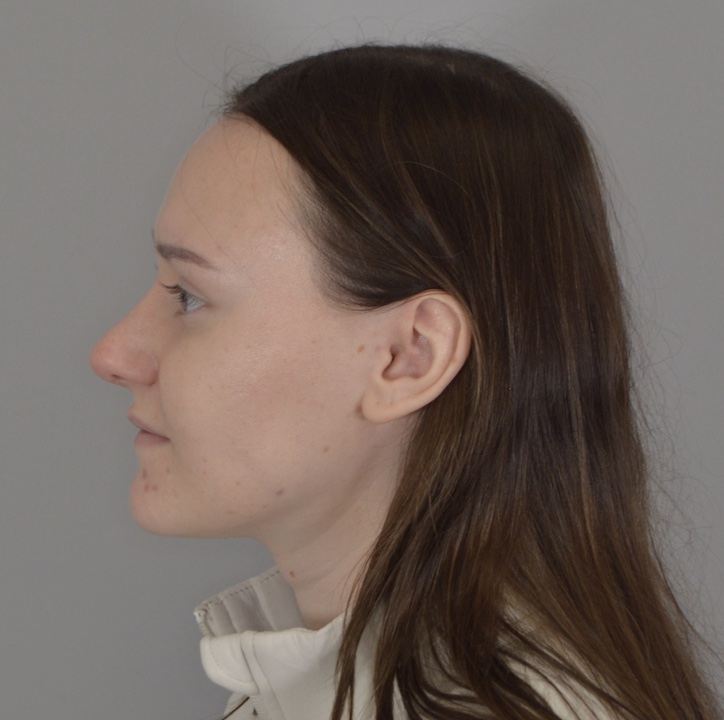
Liquid rhinoplasty uses injectable fillers to smooth nasal bumps, lift the tip, or improve symmetry — without surgery or downtime. Results last 12–18 months and are reversible, making it a popular "test" before committing to surgical rhinoplasty.
In Sandy, UT, liquid rhinoplasty (non-surgical nose job) is performed by board-certified providers with extensive experience in cosmetic medicine. Patients typically choose non-surgical nose job to address specific aesthetic goals while maintaining a natural-looking result.
Who is a good candidate for liquid rhinoplasty?
The ideal candidate for liquid rhinoplasty shares a few common traits. Your provider will confirm candidacy during your consultation, but most good candidates are:
- In good overall physical and mental health
- A non-smoker, or willing to stop smoking several weeks before and after the treatment
- At a stable, healthy weight
- Have realistic expectations about results — improvement, not perfection
- Able to take the time off needed for the typical No downtime of recovery
Liquid Rhinoplasty recovery, week by week
Most patients return to normal activity in No downtime, with swelling fully resolving over the months that follow.
- Day 1Rest at home with a caregiver present. Expect grogginess from anesthesia, mild to moderate discomfort managed with prescribed medication, and visible bruising and swelling.
- Days 2–7Bruising and swelling peak around day 3, then begin to subside. Most patients are off prescription pain medication within a few days. Continue to rest, keep your head elevated if relevant, and follow your post-op wound-care instructions.
- Week 2Most patients feel well enough to return to a desk job and resume light social activities. Bruising fades significantly. Strenuous exercise, lifting, and bending should still be avoided.
- Weeks 3–4Residual swelling continues to improve. Light cardio is typically cleared at this stage. Your provider will check progress at a follow-up visit.
- Month 2Full physical activity is generally cleared. Results become more refined as deeper swelling continues to resolve.
- Months 3–12Final results emerge as the last 10–20% of swelling subsides and tissues fully settle. Scars (if any) continue to mature and fade.
This is a general timeline. Your individual recovery may move faster or slower based on your anatomy, the extent of work, and how closely you follow post-operative instructions.
Risks & complications
All cosmetic procedures carry risk. When liquid rhinoplasty is performed by an experienced, board-certified provider in an accredited facility, serious complications are uncommon — but you should understand what is possible before consenting to the treatment.
Possible risks include infection, bleeding, adverse reaction to anesthesia, asymmetry, visible scarring, prolonged or persistent swelling, numbness or altered sensation, and the possibility of needing a revision treatment to refine the result.
Your provider is required to walk you through these risks in detail and obtain informed consent before proceeding. Ask how they handle each of these scenarios, and what their personal revision rate is for liquid rhinoplasty.
How to prepare for liquid rhinoplasty
Your provider will provide a personalized pre-op checklist. In general, expect to:
- ·Stop blood-thinning medications and supplements (aspirin, ibuprofen, fish oil, vitamin E, certain herbal supplements) about two weeks beforehand
- ·Avoid alcohol for at least 48 hours before — many surgeons recommend a week
- ·Stop smoking and nicotine products as instructed (typically 4–6 weeks before and after)
- ·Fill all prescriptions in advance — pain medication, antibiotics, anti-nausea
- ·Arrange a ride home and a caregiver for the first 24–48 hours
- ·Prepare your recovery space: button-up clothing, easy-to-reach essentials, soft foods, ice packs
- ·Confirm time off work — at minimum No downtime
The day of your treatment
Anesthesia. Liquid Rhinoplasty (also known as non-surgical nose job) is typically performed under topical anesthesia. The exact type depends on your medical history, the extent of work, and your provider's preference. A board-certified anesthesia provider monitors you throughout.
Length of treatment. The treatment itself takes 15-30 minutes. Plan to arrive about 90 minutes early for check-in and pre-op prep, and expect 1–2 hours in post-op recovery before being discharged. Total time at the surgical facility is usually 4–6 hours.
Discharge. You'll be sent home with detailed post-op instructions, prescriptions filled, and a follow-up appointment scheduled — typically within the first week.
What to ask your provider
Bring a written list of questions to your liquid rhinoplasty consultation. The right provider will welcome these and answer thoroughly — not rush you out the door.
- How many liquid rhinoplasty procedures have you performed?
- What is your revision rate, and is revision included in the original fee?
- Where is the treatment performed, and is the facility accredited (AAAASF, AAAHC, or state-licensed)?
- Who administers the anesthesia, and what are their credentials?
- Can I see before & after photos of patients with anatomy similar to mine?
- What is the total all-in cost, including provider's fee, anesthesia, facility, and any post-op supplies?
- What does recovery look like day-by-day for someone with my health profile?
- What complications have you seen, and how do you manage them?
- Do you offer financing through CareCredit, Prosper, or other providers?
- What happens if I'm not satisfied with the result?
What you're actually paying for
A typical liquid rhinoplasty bill in Sandy, UT runs around $1,700 and breaks down roughly like this. Exact splits vary by surgeon and facility.
Covers consultation, the procedure itself, and post-op visits.
Charged separately by a board-certified anesthesia provider.
Operating room, equipment, and accredited-facility overhead.
Prescriptions, dressings, post-op kit.
Many practices offer financing through CareCredit, Prosper Healthcare Lending, or in-house payment plans. Ask your liquid rhinoplasty surgeon about all-in pricing and what's included before booking.
Liquid Rhinoplasty in Sandy, UT
Sandy draws cosmetic patients from across the Salt Lake City Metro area, supported by a concentration of board-certified surgeons and accredited ambulatory surgery centers. Many patients also travel here from neighboring states for liquid rhinoplasty — the airport and short drive times from recovery accommodations make it logistically straightforward.
If you're traveling for surgery, plan to stay locally for at least the first 5–7 days post-op so your surgeon can see you for follow-ups and intervene quickly if anything is off. Most surgeons recommend not flying for 1–2 weeks after liquid rhinoplasty.
liquid rhinoplasty near Sandy
Other procedures in Sandy
Compare results, pricing, and specialists for popular procedures available in Sandy.
Frequently asked questions
How much does liquid rhinoplasty in Sandy cost?
The average cost of liquid rhinoplasty (Non-Surgical Nose Job) in Sandy, UT ranges from $800 to $2,500. Final pricing depends on surgeon experience, facility fees, anesthesia, and the complexity of your case. Most patients also factor in time off work and any post-op supplies.
Who is the best liquid rhinoplasty surgeon in Sandy?
The "best" liquid rhinoplasty surgeon depends on your specific anatomy, goals, and what kind of result you're after. Look for board certification (ABPS, ABFPRS, or ABCS), an extensive liquid rhinoplasty before & after gallery showing patients with anatomy similar to yours, and consistent positive reviews across Google and other platforms. We recommend consulting with 2–3 surgeons before deciding.
Am I a good candidate for liquid rhinoplasty?
Good candidates for liquid rhinoplasty are generally in good overall health, do not smoke (or are willing to quit several weeks before surgery), have realistic expectations about results, and are at a stable weight. Your surgeon will review your medical history and physical exam during consultation to confirm candidacy. People with certain medical conditions, untreated mental health concerns, or unrealistic expectations may be advised to wait or pursue a different approach.
How should I prepare for liquid rhinoplasty?
Typical preparation for liquid rhinoplasty includes: stopping blood-thinning medications and supplements (aspirin, ibuprofen, fish oil, vitamin E) about two weeks before, avoiding alcohol and tobacco, arranging a ride home and a caregiver for the first 24–48 hours, filling prescriptions in advance, and preparing your recovery space with easy-to-reach essentials. Your surgeon will provide a personalized pre-op checklist at your consultation.
What are the risks of liquid rhinoplasty?
As with any treatment, liquid rhinoplasty carries potential risks including infection, bleeding, adverse reaction to anesthesia, asymmetry, scarring, prolonged swelling, and the possibility of needing a revision. Serious complications are uncommon when liquid rhinoplasty is performed by an experienced, board-certified surgeon in an accredited facility. Your surgeon will discuss risks specific to your case in detail during your informed-consent consultation.
What type of anesthesia is used for liquid rhinoplasty?
Liquid Rhinoplasty (Non-Surgical Nose Job) is typically performed under topical anesthesia. The specific type (general, IV sedation, or local) depends on the extent of the work, your medical history, and your surgeon's preference. A board-certified anesthesia provider monitors you throughout the treatment.
How long does liquid rhinoplasty take?
Liquid Rhinoplasty typically takes 15-30 minutes. Plan to arrive about 90 minutes before your scheduled time for check-in and pre-op prep, and expect 1–2 hours in post-op recovery before being discharged. Total time at the surgical facility is usually 4–6 hours.
What is the recovery time for liquid rhinoplasty?
Typical recovery time for liquid rhinoplasty is No downtime. Most patients can return to light activities within a few days, with bruising and swelling subsiding over the first 2–4 weeks. Strenuous exercise and heavy lifting are usually restricted for 4–6 weeks. Final results may take several months as residual swelling fully resolves. Your surgeon will provide a personalized post-operative timeline.
Can I get a virtual consultation for liquid rhinoplasty in Sandy?
Yes — many surgeons offer virtual consultations where you can get personalized recommendations without an in-person office visit. On Afters, you can submit photos and goals, then receive a personalized video response from board-certified surgeons in Sandy, UT. Most patients still attend an in-person consultation closer to their surgery date.
How do I choose a liquid rhinoplasty surgeon in Sandy?
Start by verifying board certification (ABPS, ABFPRS, or ABCS depending on the procedure). Then review before & after photos of patients with similar anatomy to yours, read reviews across Google, RealSelf, and Reddit, and schedule consultations with 2–3 top candidates. In consultation, ask about their experience with liquid rhinoplasty specifically, their revision rate, how they handle complications, and what their facility is accredited by.
What should I ask during my liquid rhinoplasty consultation?
Bring a written list. Recommended questions include: How many liquid rhinoplasty procedures have you performed? What is your revision rate, and is revision included if needed? Where is the surgery performed and is the facility accredited? Who administers anesthesia? Can I see before & after photos of patients with similar anatomy? What is the total all-in cost, including anesthesia and facility fees? What does recovery look like day-by-day? What are the most common complications you've seen, and how are they managed?