Botox aftercare and recovery: Botox Aftercare and Recovery
 Felipe LeeCo-founder, Afters · Updated October 18, 2026
Mayo Clinic says Botox usually starts working in 1–3 days, with full effects taking a week or more, and advises avoiding rubbing for 24 hours and lying down for 2–4 hours after treatment. The Botox Cosmetic label has a glabellar onset description of its own. Compare the source timelines, first-day instructions, first two weeks, follow-up practice and symptoms needing help.
- Mayo · first effect
- 1–3 daysgeneral patient guidance
- Mayo · full effect
- A week or morenot a finished-result deadline
- Botox Cosmetic · glabella
- 3–4 monthsOctober 2024 label duration
Questions about Botox aftercare
Start with the first hours, then the changing effect and the review visit. Each answer names its source and gives you a question to take to the clinician.
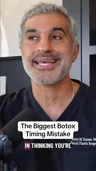 How long does it take for Botox to work?Mayo Clinic says Botox usually starts working in 1–3 days, with full effects taking a week or more, and advises avoiding rubbing for 24 hours and lying down for 2–4 hours after treatment.
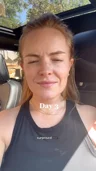 What should I do in the first hours after Botox?AAD says most people can resume everyday activities immediately after Botox-type injections, while its separate aftercare instructions say to avoid rubbing and wait 2 hours before strenuous activity.
- When can I lie down or sleep after Botox?Mayo Clinic advises not lying down for 2–4 hours after Botox, Cleveland Clinic’s aftercare interview advises staying upright for 3–4 hours, and The Aesthetic Society gives no universal hourly cutoff.
- When can I exercise after Botox?AAD says to wait 2 hours before strenuous activity after Botox, while The Aesthetic Society says a surgeon may advise avoiding vigorous activity for the rest of the day.
- Can I wash my face, wear makeup or rub my face after Botox?AAD permits makeup immediately after Botox-type treatment if you avoid pressing or rubbing, while Cleveland Clinic’s aftercare expert prefers waiting until the punctures close and gives no fixed makeup clock.
- How long do Botox bumps, swelling and bruises last?The October 2024 Botox Cosmetic label lists swelling, redness, pain and bleeding or bruising after injections, but does not give one day when everyone’s marks disappear.
- Is a headache after Botox a side effect?The October 2024 Botox Cosmetic label reports headache in 58 of 665 recipients, 9%, after combined forehead-and-glabellar treatment, versus 17 of 315 placebo recipients, 5%.
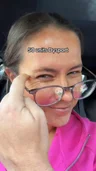 What should Botox look and feel like during the first two weeks?Mayo Clinic says Botox’s full effect may take a week or more, and the October 2024 Botox Cosmetic label says adverse reactions generally appear during the first week.
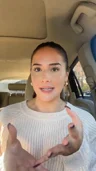 When should I have a Botox follow-up or touch-up?The October 2024 Botox Cosmetic label says dosing more frequently than every 3 months has not been clinically evaluated, so a two-week follow-up visit should not be presented as a label-approved repeat-dose schedule.
- How long does Botox last before it wears off?The October 2024 Botox Cosmetic label describes approximately 3–4 months of effect for glabellar lines, rather than a fixed duration for every treated area or person.
- What should I do about a drooping eyelid or heavy brow after Botox?AAD says Botox-type treatment can weaken neighboring muscles and cause drooping brows or eyelids; contact the treating clinician promptly about a new droop, and follow CDC’s instruction to seek emergency help for possible botulism symptoms.
- Which Botox side effects need immediate medical help?The Botox Cosmetic label says to get medical help right away for swallowing, speaking or breathing problems after treatment, and CDC calls botulism a medical emergency and says not to wait for help.
- Does Botox aftercare change after a lip flip or lower-face treatment?Cleveland Clinic says to avoid lipstick, balm or other lip products for at least 3–4 days after an off-label Botox lip flip, which differs from AAD’s immediate-makeup guidance for general toxin treatment.
- What do patients say about Botox recovery?The Botox voice research read on October 17, 2026 retains 14 US Reddit sources or portions and 19 non-Reddit voice sources or portions, showing questions about onset, visible marks, heaviness and follow-up without establishing symptom rates.
- What should I ask my clinician before going home after Botox?ASPS says a Botox consultation should review medical conditions, allergies, medicines, previous treatments, expected results and possible complications; the October 2024 label says repeat dosing more often than every 3 months has not been clinically evaluated.
The first change
How long does it take for Botox to work?
Mayo Clinic says Botox usually starts working in 1–3 days, with full effects taking a week or more, and advises avoiding rubbing for 24 hours and lying down for 2–4 hours after treatment. The Botox Cosmetic label describes glabellar muscle action beginning in 1–2 days and increasing during the first week. These are different descriptions of an evolving effect, not appointments when everyone will look finished.
Which clock is the source measuring?
The October 2024 Botox Cosmetic label’s statement concerns the frown-line muscles between your brows. It does not set the same first-visible-change deadline for every forehead, neck or off-label treatment. Mayo’s undated education page, checked October 17, 2026, describes Botox more generally and does not supply a measured recovery cohort. Xeomin’s July 2026 label separately describes median onset within 2–7 days. Keep the product name and the endpoint beside the number. If you have an event coming up, ask about the developing appearance as well as the first change. A quick onset does not eliminate bruising, unwanted weakness or the need to contact the clinician about a symptom.
“For my product and treated areas, when should I expect an early change and when should you assess the result?”
The first day
What should I do in the first hours after Botox?
AAD says most people can resume everyday activities immediately after Botox-type injections, while its separate aftercare instructions say to avoid rubbing and wait 2 hours before strenuous activity. Mayo also allows usual activities subject to the provider’s directions. Neither page’s ordinary-activity statement gives permission for every activity or every combination of treatments.
Before leaving the treatment room
AAD and Mayo allow ordinary activity immediately, subject to your clinician’s instructions. That does not settle the separate questions about exertion, pressure or lying down.
Ask the injector to mark the instructions for your product and every treated area. An off-label lip flip, filler or skin treatment can bring different care instructions.
Keep the product name, treated areas and the clinician’s contact details together. A source’s minimal-downtime description cannot diagnose a new symptom.
These are patient-education statements without a measured denominator, checked October 17, 2026. Before leaving, ask which written instructions apply to the exact product and sites treated. Tell the clinician about plans that involve pressure on your face, strenuous exercise or lying down; those are the areas where sources give different instructions. If you also received filler, a facial or another skin treatment, get its instructions separately. Keep the treatment date and product name with your contact numbers. You do not have to interpret a bump or a feeling of weakness on your own because an appointment was described as having little downtime. Contact the treating clinician promptly about a new symptom that concerns you, and follow the urgent guidance below for possible spread symptoms.
“Can you write down my first-day instructions and the number to use if a symptom develops tonight?”
The first day
When can I lie down or sleep after Botox?
Mayo Clinic advises not lying down for 2–4 hours after Botox, Cleveland Clinic’s aftercare interview advises staying upright for 3–4 hours, and The Aesthetic Society gives no universal hourly cutoff. The Society says your surgeon may advise avoiding lying down or an inverted position. These instructions should stay attributed to each source.
Posture instructions, side by side
The pages were checked October 17, 2026, and do not report a trial population demonstrating that a particular hour prevents toxin spread. Cleveland’s expert commentary also attributes many unwanted effects to injection technique rather than patient activity. None of this establishes a universal number of nights to sleep on your back, a pillow height or a rule for every accidental bend. If you have an evening appointment, explain when you normally go to bed and whether you can follow the proposed posture instructions. Ask the clinician to resolve a conflict between the written sheet and what you were told. If you accidentally lie down, contact the office with the details instead of treating the action itself as a diagnosis or assuming a complication is inevitable.
“Given my appointment time, exactly when may I lie down and are there any sleeping-position instructions for my treatment?”
The first day
When can I exercise after Botox?
AAD says to wait 2 hours before strenuous activity after Botox, while The Aesthetic Society says a surgeon may advise avoiding vigorous activity for the rest of the day. Cleveland Clinic’s general page gives 24 hours; its separate aftercare interview says evidence that exercise changes settling is limited and discusses bruising instead. There is no shared exercise cutoff across these sources.
Exercise advice differs even within a publisher
All these pages were checked October 17, 2026; they are guidance and expert explanation without a measured recovery cohort. A restriction to reduce bruising is a different claim from proof that exercise moves toxin or shortens its useful effect. Cleveland’s aftercare expert suggests avoiding exercise for a few hours for people who bruise. The differing advice does not let us calculate an average safe workout time. Describe the actual activity to your clinician, including heavy exertion, face pressure or inversion, and get your own instruction before scheduling it. If you already exercised, report the timing and any symptoms rather than assuming the treatment has failed. The patient diaries cannot establish whether exercise changed a person’s onset, duration or complication risk.
“What restriction do you want for my actual workout, and is your concern bruising, pressure or something else?”
The first day
Can I wash my face, wear makeup or rub my face after Botox?
AAD permits makeup immediately after Botox-type treatment if you avoid pressing or rubbing, while Cleveland Clinic’s aftercare expert prefers waiting until the punctures close and gives no fixed makeup clock. Mayo says to avoid rubbing or massage for 24 hours. Gentle washing, makeup application and a facial are separate activities in these sources.
Washing, cosmetics and pressure are separate questions
Cleveland’s aftercare article permits gentle washing without hard rubbing and says to wait at least 24 hours for a facial or massage. It also has an internal mismatch, saying no rubbing or massage for 12 hours in one passage and about 24 hours later. We preserve both passages instead of choosing one and presenting it as the publisher’s settled rule. These undated pages were checked October 17, 2026 and provide no measured denominator proving an hourly migration boundary. Ask about how to remove makeup as well as apply it, particularly if your usual routine includes vigorous cleansing or tools. An off-label lip flip has a separate lip-product instruction discussed below; immediate facial makeup advice should not be transferred to it.
“For my injection sites, how should I wash, remove makeup and handle a planned facial or massage?”
The first two weeks
How long do Botox bumps, swelling and bruises last?
The October 2024 Botox Cosmetic label lists swelling, redness, pain and bleeding or bruising after injections, but does not give one day when everyone’s marks disappear. ASPS also lists bruising and redness as possible complications. A new or worsening mark, swelling or pain that worries you is a reason to contact the treating clinician promptly, rather than wait for a timetable.
Separate an injection mark from a symptom needing assessment
The October 2024 Botox Cosmetic label lists local pain, tenderness, swelling, redness and bleeding or bruising as injection-associated events. It does not give one bruise-clearance day.
Xeomin’s July 2026 upper-face table reports injection-site bruising in 2% of 545 active recipients versus 1% of 185 placebo recipients. Event counts aren’t supplied; this is not a Botox rate.
AAD asks about blood thinners, nonprescription medicines, herbs and vitamins. Mayo says to discuss blood-thinner changes with the prescribing provider.
Contact the treating clinician promptly about a mark, swelling or pain that is worsening or worrying you. Do not use a typical timeline to decide whether it needs examination.
The label says adverse reactions generally appear during the first week and can sometimes last months or longer; that broad warning is not a statement that a typical bruise lasts months. A Chicago partnership diary describes visible bruising, while an NYC editorial describes early bumps, but neither supplies a clinical healing deadline. The separate July 2026 Xeomin trial table reports bruising percentages in its own upper-face population, shown below, and should not be relabeled as Botox risk. AAD asks about medicines and supplements, including blood thinners. Mayo says blood-thinner changes should be discussed with the prescribing provider. Do not stop a prescribed medicine or borrow a supplement regimen from someone’s diary. Ask the clinician how to handle the symptom and when an examination is needed.
“Which changes in my swelling or bruising should trigger a call, and whom should I ask before changing any medicine?”
The first two weeks
Is a headache after Botox a side effect?
The October 2024 Botox Cosmetic label reports headache in 58 of 665 recipients, 9%, after combined forehead-and-glabellar treatment, versus 17 of 315 placebo recipients, 5%. That trial result does not diagnose your headache or supply a treatment. Contact the treating clinician promptly for a new, persistent, worsening or worrying headache, and get immediate medical help if it comes with the emergency symptoms below.
The Botox Cosmetic headache figure keeps its actual treatment
The table’s treatment includes the forehead and the area between the brows. Its denominator must stay with that regimen rather than become a rate for every cosmetic site or every toxin brand. ASPS lists headache as a possible complication without supplying an event count or recovery duration. One Chicago commercial-blog writer describes a mild short headache, but a reassuring personal experience cannot establish what your symptom means. AAD asks about prescription and nonprescription medicines, and the Botox Cosmetic label identifies potential interactions including aminoglycosides and muscle relaxants. Tell the clinician what you already take before adding something for discomfort. The sources here do not establish one pain-reliever, dose or stopping schedule for everyone after treatment.
“If I develop a headache, how should I contact you and which medicines fit my existing prescriptions?”
The first two weeks
What should Botox look and feel like during the first two weeks?
Mayo Clinic says Botox’s full effect may take a week or more, and the October 2024 Botox Cosmetic label says adverse reactions generally appear during the first week. Developing cosmetic effect and a new symptom therefore need separate attention. Cleveland Clinic says ordinary facial expressions do not impair the effect; you do not have to keep your face motionless.
What you are watching for as the effect develops
- 1Early daysFirst visible change is not the whole result
- Mayo says effects usually begin in 1–3 days and full effect may take a week or more.
- The Botox Cosmetic label describes glabellar action increasing during the first week.
- 2Developing effectRecord movement and function
- Use the same expression when discussing before-and-after photographs with your clinician.
- Ordinary facial movement does not spoil Botox, according to Cleveland Clinic’s aftercare interview.
- 3At any pointSymptoms can change the timetable
- The October 2024 label says reactions generally appear in the first week and can sometimes last months or longer.
- Call the clinician about new unwanted weakness; use emergency help for spread symptoms described below.
The label describes local muscle weakness as the intended pharmacology and also recognizes unwanted nearby-muscle weakness. AAD explains that neighboring-muscle weakness can cause a dropping brow or eyelid. Tell the clinician about a change in eye opening, brow position, smile or function rather than deciding from a photograph that it is merely settling. For a cosmetic review, consistent photographs and the same facial expression help you explain what you mean; they cannot diagnose the cause. Sam’s February 22, 2024 Dysport diary describes her biggest change around days five or six and her view at two weeks. That is one patient’s observation, with Dysport units and her own movement preference, not a Botox activation curve for everyone.
“Which changes should I document for the review and which symptoms should I report before that appointment?”
Checking the result
When should I have a Botox follow-up or touch-up?
The October 2024 Botox Cosmetic label says dosing more frequently than every 3 months has not been clinically evaluated, so a two-week follow-up visit should not be presented as a label-approved repeat-dose schedule. A patient’s review may include a discussion, photographs, an examination or a proposal for extra treatment. Those are different decisions.
A review appointment can have several outcomes
Ask what has changed, what is still developing, and whether the concern is movement, asymmetry, brow position or a symptom. You can ask for an explanation before agreeing to more treatment.
Claire’s December 20, 2024 diary describes extra injections at a two-week review. Her approximate extra units aren’t assigned to each area; they cannot supply your plan.
The October 2024 Botox Cosmetic label says dosing more frequently than every 3 months has not been clinically evaluated. A routine review is a different event from a repeat dose.
Ask whether the original fee includes a review, whether extra product costs more, and what happens if you decline. The diary does not establish your clinic’s terms.
Claire’s December 20, 2024 diary describes additional injections at a two-week review after glabellar treatment and an off-label lip flip. She estimates extra units without itemizing them by area. Her account shows what happened in that practice, not an instruction to request the same amount or timing. Dysport, Xeomin, Jeuveau, Daxxify and Letybo labels each also place limits on repeat-treatment frequency; they are product-specific documents, not permissions inferred from the word touch-up. Ask the prescriber to explain how any proposed extra injection relates to your product’s label and your treatment history. Ask whether a review is included, whether extra product costs more and whether you may return for discussion without agreeing to more injections. No uniform fee or touch-up entitlement is established by these accounts.
“What is my review visit for, and how would any proposed extra treatment fit the label, my symptoms and your fee policy?”
SourcesBotox Cosmetic label · October 2024DailyMed / manufacturer FDA prescribing informationDailyMed / manufacturer FDA prescribing informationDailyMed / manufacturer FDA prescribing informationDailyMed / manufacturer FDA prescribing informationDailyMed / manufacturer FDA prescribing information@claireastev
Checking the result
How long does Botox last before it wears off?
The October 2024 Botox Cosmetic label describes approximately 3–4 months of effect for glabellar lines, rather than a fixed duration for every treated area or person. ASPS says muscle reactions and wrinkles return as the effect fades. First movement, visible lines and return to the original appearance are different ways someone might describe wearing off.
Duration belongs to a product, area and endpoint
The source comparison keeps the Dysport and Xeomin label descriptions separate. It also shows why a study median needs its endpoint and denominator. Glogau’s 2012 analysis pooled four glabellar trials with 621 active recipients of 20 units; its duration analysis was conditioned on response at day 30. The median was 120 days at maximum contraction and 131 days at repose, with 523 maximum-contraction responders. Those are not all-patient expiry dates. The more detailed duration question has its own guide, linked below. If your result seems brief, bring the product, sites, treatment date and what returned to the clinician. These figures do not justify a diagnosis of resistance, a brand switch or an early repeat dose on their own.
“What change should count as wearing off for my goal, and when is another treatment appropriate for this product?”
Side effects and getting help
What should I do about a drooping eyelid or heavy brow after Botox?
AAD says Botox-type treatment can weaken neighboring muscles and cause drooping brows or eyelids; contact the treating clinician promptly about a new droop, and follow CDC’s instruction to seek emergency help for possible botulism symptoms. CDC includes eyelid droop in that symptom list. An isolated cosmetic concern cannot be distinguished from a more serious problem by a guide or a video.
Eyelid and brow drop are separate label outcomes
The October 2024 Botox Cosmetic label records eyelid and brow ptosis as separate trial outcomes. In its glabellar trials, eyelid ptosis occurred in 13 of 405 active recipients versus none of 130 placebo recipients. The combined forehead-and-glabellar trial has different denominators and includes both brow and eyelid outcomes, shown below. AAD’s muscle explanation cannot tell you which structure changed in your own face. The label instructs treating forehead lines with glabellar lines to reduce brow-ptosis potential, but that does not eliminate the possibility of an unwanted result. Do not self-prescribe eye drops or request another injection based on an online account. Tell the assessing clinician about double or blurred vision, generalized weakness, voice changes, and swallowing or breathing difficulty immediately.
“If my brow or eyelid changes, who will examine me promptly and which accompanying symptoms require emergency help?”
Side effects and getting help
Which Botox side effects need immediate medical help?
The Botox Cosmetic label says to get medical help right away for swallowing, speaking or breathing problems after treatment, and CDC calls botulism a medical emergency and says not to wait for help. The label’s boxed warning says spread symptoms have been reported hours to weeks after injection. Breathing and swallowing difficulties can be life threatening.
Get help based on symptoms, without waiting for a review visit
- Get medical help right away
The Botox Cosmetic Medication Guide says to call your doctor or get medical help right away for problems swallowing, speaking or breathing. These can be life threatening.
- Seek emergency help; do not wait
CDC calls botulism a medical emergency. Its injection warning lists blurred or double vision, drooping eyelids, swallowing or breathing trouble and muscle weakness.
- Tell the treating clinician about other new or worsening symptoms
The label asks patients to report unusual symptoms or worsening of an existing symptom. Keep the treatment date and product name available for whoever assesses you.
The October 2024 label describes generalized weakness, double or blurred vision, drooping eyelids, voice changes, difficulty saying words clearly, loss of bladder control, and breathing or swallowing trouble among possible spread symptoms. CDC’s guidance, checked October 17, 2026, tells people with botulism symptoms after injections to seek emergency help. Do not postpone that response until the office opens, the review visit arrives or the cosmetic effect wears off. Give the assessing team the product name, injection date, treatment sites and any available treatment record. The warning does not provide an exposed-population denominator for your personal risk. The label also says spontaneous reports cannot reliably establish event frequency or causality. Neither a reassuring diary nor a trial with no observed serious event can rule out a serious symptom in an individual.
“Can you give me a written emergency plan and the treatment information another clinician would need?”
Other treated areas
Does Botox aftercare change after a lip flip or lower-face treatment?
Cleveland Clinic says to avoid lipstick, balm or other lip products for at least 3–4 days after an off-label Botox lip flip, which differs from AAD’s immediate-makeup guidance for general toxin treatment. The instruction is specific to the lip procedure and is a minimum. A lip flip is outside the accessed cosmetic label indications and does not add volume the way filler does.
The treated area changes the aftercare question
The Cleveland page, checked October 17, 2026, describes possible drooling and difficulty drinking or speaking when the muscle around the mouth becomes too relaxed. It gives no event-rate denominator. Contact the treating clinician promptly about unwanted oral-function changes, and use the label’s immediate medical-help response for trouble speaking, swallowing or breathing. Cleveland says an unwanted lip-flip effect cannot simply be reversed; waiting for it to fade is different from dissolving hyaluronic-acid filler. That statement must not become advice to wait through a warning symptom. Masseter slimming is also off-label in the accessed cosmetic indications. Botox Cosmetic’s October 2024 label does include platysma bands, so all neck treatment should not be called off-label. The specific product, indication and technique matter.
“Which of my treated areas are off-label, and what separate aftercare and function-related warning signs apply?”
People’s experiences
What do patients say about Botox recovery?
The Botox voice research read on October 17, 2026 retains 14 US Reddit sources or portions and 19 non-Reddit voice sources or portions, showing questions about onset, visible marks, heaviness and follow-up without establishing symptom rates. Three selected editorial accounts below describe different early experiences. They should shape the questions you ask rather than predict what will happen to you.
What individual accounts contribute
The writer describes needle anxiety and visible bruising after forehead and frown treatment. The practice partnership and referral promotion are disclosed; the diary cannot measure risk.
The writer describes a mild short headache, unfamiliar forehead heaviness and optional future maintenance. Those sensations cannot diagnose another person’s symptoms.
The editor describes bumps, heaviness and going back to work. An offered treatment opportunity is disclosed; payment details are not established.
The Chicago partnership diary describes anxiety and bruising, the Chicago commercial blog describes a short mild headache and forehead heaviness, and the NYC beauty editorial describes bumps and returning to work. Their commercial contexts matter, and a publication date was not established for every account. The broader packet screened 117 sources, including 60 Reddit threads, but verified zero complete original Reddit comment trees. Counts are sources, not people; several reports can concern the same creator, and a selected story can omit later developments. We do not quote forum commenters or turn a positive account into a safety claim. If a symptom in someone’s story sounds like yours, use that as language for contacting the clinician, not as confirmation of its cause or a reason to copy a remedy.
“Can we discuss my concern even if it differs from the experiences shown in these patient stories?”
Your own plan
What should I ask my clinician before going home after Botox?
ASPS says a Botox consultation should review medical conditions, allergies, medicines, previous treatments, expected results and possible complications; the October 2024 label says repeat dosing more often than every 3 months has not been clinically evaluated. Before going home, ask for a written aftercare plan, contact route and explanation of the review visit. Those details make the general guidance usable for your actual treatment.
My Botox aftercare and contact plan
AAD also asks about herbs, vitamins, nonprescription medicines and prior cosmetic procedures. Tell the clinician about injections from another office, an upcoming event, a previous unwanted effect or a condition affecting muscle, swallowing or breathing function. The label’s warning for pre-existing neuromuscular disorders and its interaction list require an individual prescriber’s assessment. They do not become a diagnosis from a checklist. ASPS asks who will perform injections and whether that person is trained; the page does not establish a nationwide legal scope of practice. Record the person who is responsible for assessing problems after you leave. The worksheet holds your product and visit details on this browser; it is not a message to the office. Call the named contact when care is needed rather than saving a question for later.
“Who is responsible for my follow-up, how do I reach them after hours and what should I do if they do not answer?”
Questions for my Botox clinician
Save the questions that fit your concerns and bring them to your visit. They stay in this browser.
Nothing saved yet. Tap Save to my list under any question.
Start with a short intake, pick your top 3 practices, and get Interactive Quotes back.
Onset, first treatment and a follow-up visit
Personal accounts and one clinician explanation, credited and linked to their originals. A diary can describe its own timing and symptoms; it cannot set your dose, clear an activity or diagnose a new problem.
Near you
Practices that publish botox results, and botox pages for the cities and states Afters covers.
Plan your Botox consultation
Bring your goals, previous treatments, event plans and questions about aftercare and follow-up.
How we researched Botox aftercare
We used the corrected research packet checked October 17–18, 2026. Label statements, education-page instructions, expert commentary and personal experiences remain distinct. A page without a cohort does not supply a rate or prove an hourly aftercare cutoff.
Label and education sources
The Botox Cosmetic PI is revised October 2024; Dysport September 2023, Xeomin July 2026, Jeuveau April 2023, Daxxify November 2023 and Letybo November 2024. Dates identify the accessed documents, not a claim that every document changed in 2026. We read AAD, ASPS, Mayo, Cleveland Clinic, The Aesthetic Society and CDC in the supplied packet. Each source’s instructions stay beside its name, including differences within Cleveland’s pages. Product units and trial denominators are never combined.
What patient research can answer
The packet screened 117 sources: 60 Reddit threads and 57 non-Reddit sources. It retained 14 US Reddit sources or portions and 19 non-Reddit voice sources or portions. Zero complete original Reddit comment trees were verified. Counts are sources, not people or symptom rates. The selected creator and editorial accounts have commercial contexts, and several later press reports concern the same person. Missing dates stay missing. The research is useful for discovering questions, not estimating how common an outcome is.
The videos and their limits
Four selected videos from four creators cover event timing, a Dysport onset diary, a practice-published first-treatment account and a follow-up including an off-label lip flip. Each displayed video retains its original link and treatment context. The stage does not repeat a creator or count several moments in one clip as separate patients. No individual’s extra dose, recommendation, preferred movement or event window becomes a medical instruction.
Numbers and what we leave unanswered
Label adverse-event counts retain the treated area and placebo population. The duration meta-analysis retains its day-30-responder condition. Guidance without a study population is identified as such. We do not derive an overall complication rate, a proven posture or exercise cutoff, a bruise-clearance deadline or a universal touch-up policy. Prices, borrowing examples, rewards, state licensing interpretation and detailed product selection belong to separate guides or the actual clinician’s quote.
This guide is about adult cosmetic treatment. For symptoms, use the named source’s escalation advice and contact the treating clinician. The source list includes dates when available and the recorded access date.
Sources
- DailyMed - BOTOX COSMETIC- onabotulinumtoxina injection, powder, lyophilized, for solutionDailyMed / manufacturer FDA prescribing information · Accessed Oct 17, 2026
- DailyMed - XEOMIN- incobotulinumtoxina injection, powder, lyophilized, for solutionDailyMed / manufacturer FDA prescribing information · Accessed Oct 17, 2026
- Botox injections - Mayo ClinicMayo Clinic · Accessed Oct 17, 2026
- Botulinum toxin therapy: FAQsAmerican Academy of Dermatology · Accessed Oct 17, 2026
- Botox - Aftercare & RecoveryThe Aesthetic Society · Accessed Oct 17, 2026
- Botox Aftercare: The Dos and Don’tsCleveland Clinic · Accessed Oct 17, 2026
- Botulinum Toxin Risks and Safety | American Society of Plastic SurgeonsAmerican Society of Plastic Surgeons · Accessed Oct 17, 2026
- Botulinum toxin therapy: PreparationAmerican Academy of Dermatology · Accessed Oct 17, 2026
- Botox (Botulinum Toxin): What It Is, Results & Side EffectsCleveland Clinic · Accessed Oct 17, 2026
- DailyMed - DYSPORT- botulinum toxin type a injection, powder, lyophilized, for solutionDailyMed / manufacturer FDA prescribing information · Accessed Oct 17, 2026
- DailyMed - JEUVEAU- prabotulinum toxin type a powderDailyMed / manufacturer FDA prescribing information · Accessed Oct 17, 2026
- DailyMed - DAXXIFY- botulinum toxin type a injection, powder, lyophilized, for solutionDailyMed / manufacturer FDA prescribing information · Accessed Oct 17, 2026
- DailyMed - LETYBO- letibotulinumtoxina-wlbg injection, powder, lyophilized, for solutionDailyMed / manufacturer FDA prescribing information · Accessed Oct 17, 2026
- Botulinum Toxin Results | American Society of Plastic SurgeonsAmerican Society of Plastic Surgeons · Accessed Oct 17, 2026
- OnabotulinumtoxinA: a meta-analysis of duration of effect in the treatment of glabellar lines.Dermatologic Surgery / PubMed · Accessed Oct 17, 2026
- How to Stay Safe When Getting Botulinum Toxin Injections | Botulism | CDCCDC · Accessed Oct 17, 2026
- Lip Flip: What It Is, Botox®, Results & PrecautionsCleveland Clinic · Accessed Oct 17, 2026
- Botulinum Toxin Questions | American Society of Plastic SurgeonsAmerican Society of Plastic Surgeons · Accessed Oct 17, 2026
- Botulinum Toxin Consultation | American Society of Plastic SurgeonsAmerican Society of Plastic Surgeons · Accessed Oct 17, 2026
- Chicago first-treatment diary; practice partnership and referral promotionCreator diary; commercial context · 2018
- Chicago diary of headache, forehead heaviness and optional maintenanceCreator diary; commercial blog · Accessed Oct 17, 2026
- NYC first-treatment editorial; offered treatment opportunityBeauty editorial; payment details not established · Accessed Oct 17, 2026
- Deep plane facelift recovery: karammdskinTikTok · @karammdskin · Feb 10, 2026
- Deep plane facelift recovery: samn8rTikTok · @samn8r · Feb 22, 2024
- Deep plane facelift recovery: idealimageTikTok · @idealimage · Nov 8, 2024
- Deep plane facelift recovery: claireastevTikTok · @claireastev · Dec 20, 2024