Face and donor site: Fat Transfer Recovery Time: Face and Donor Sites
 Felipe LeeCo-founder, Afters · Updated October 16, 2026
Fat transfer recovery can mean 3–7 days before a desk job, according to Stanford Medicine, while the Aesthetic Society advises at least 2 weeks off and several months before judging results. Fat grafting has separate face and liposuction donor-site recoveries; the source-specific timelines below are educational estimates, not individual clearance dates.
- Desk work
- 3–7 daysStanford; no measured cohort; checked October 2026
- Time off to plan
- At least 2 weeksAesthetic Society; education, checked October 2026
- Donor bruising
- 2–3 weeksStanford; education, checked October 2026
Fat transfer recovery questions
Start with the milestones you need, then separate the face from the harvest area. Each chapter ends with a question you can save for your surgeon. These sources describe facial fat transfer; hand transfer, body contour repair and buttock or breast transfer need their own recovery discussion.
- How long is fat transfer recovery?Fat transfer recovery can mean 3–7 days before a desk job, according to Stanford Medicine, while the Aesthetic Society advises planning at least 2 weeks off and several months before judging results.
 What happens in the first days after facial fat transfer?Facial fat transfer can leave both the face and donor site bruised, swollen and sore, according to Cleveland Clinic’s August 2022 patient guidance.
 How painful is the liposuction donor site after fat transfer?The liposuction donor site after facial fat transfer can have moderate pain and swelling, with bruising usually resolving in 2–3 weeks, according to Stanford Medicine’s undated guidance checked October 16, 2026.
 How long do swelling and bruising last after facial fat transfer?Facial fat transfer causes significant swelling and bruising in the first week, with bruising resolving in the second week while swelling remains, according to the Aesthetic Society’s undated guidance checked October 16, 2026.
- Do I need compression at the donor site after fat transfer?Compression after fat transfer may be needed for weeks, with the duration set by your surgeon, according to the Aesthetic Society’s undated aftercare guidance checked October 16, 2026.
- How should I sleep after facial fat transfer?A sleeping position after facial fat transfer needs an individual plan from your surgeon, because the verified Aesthetic Society guidance does not establish a universal incline, pillow count or side-sleeping date.
 When can I go out and return to work after facial fat transfer?Desk work after facial fat transfer may resume in 3–7 days depending on comfort, according to Stanford Medicine, while the Aesthetic Society advises trying to take at least 2 weeks off.
- When can I exercise after facial fat transfer?After under-eye fat transfer, Cleveland Clinic’s June 2022 guidance says to avoid strenuous activity and heavy lifting for about 2 weeks, while Stanford says physical activity may gradually resume 2 weeks after facial grafting.
- What does overcorrection mean after facial fat transfer?Early overfullness after under-eye fat transfer can reflect excess fat cells that partly absorb over 4–6 months, according to Cleveland Clinic’s June 2022 patient guidance.
- How much fat stays after facial fat transfer?Facial fat transfer volume retention pooled at 47% in a 2021 meta-analysis of 27 studies and 1,011 patients using objective measurements, with study mean follow-up ranging 3–24 months.
 When can I judge facial fat transfer results, and how long do they last?Facial fat transfer results take several months to judge, according to the Aesthetic Society, while Cleveland Clinic’s August 2022 general-transfer page gives about 6 months across recipient sites.
- How common are lumps, cysts and fat necrosis after facial fat transfer?Palpable masses after facial fat transfer were reported at 0.54% in the 2022 GRAFT registry report, whose followed facial subgroup comprised 1,287 procedures; event counts for that specific outcome were not supplied in the abstract.
 Will I need a touch-up after facial fat transfer?Touch-ups after facial fat transfer occurred in 8 of 33 patients in a 2009 prospective midface practice series with mean 16-month imaging follow-up.
- What is normal after fat transfer, and when should I call the surgeon?After fat transfer, call the plastic surgeon immediately for persistent dizziness, excessive bleeding, incision redness or heat, severe nausea or vomiting, sudden or persistent sharp pain, or incision leakage, according to Cleveland Clinic’s August 2022 guidance.
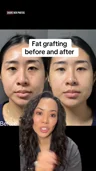
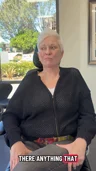 What do patients say about facial fat transfer recovery?Patients describe different facial fat transfer recoveries, including donor tenderness, visible swelling and emotional difficulty, in the Glasgold Group’s 2024 Brooke series, Violet’s 2025 repeated-grafting posts and Karam’s 2026 Kimberly interview.
- What should I ask before facial fat transfer recovery starts?Before facial fat transfer, ask about the operation, anesthesia, location, recovery and options if goals are not met, as the Aesthetic Society recommends in guidance checked October 16, 2026.
Plan your time
How long is fat transfer recovery?
Fat transfer recovery can mean 3–7 days before a desk job, according to Stanford Medicine, while the Aesthetic Society advises planning at least 2 weeks off and several months before judging results. Fat grafting leaves both a facial recipient area and a liposuction donor area to heal. These published estimates describe different milestones, without a measured patient distribution.
Face · each source’s recovery timeline
Facial appearance: significant swelling and bruising in week 1; bruising resolves in week 2 while swelling remains; looking more like yourself by week 3. Plan at least 2 weeks off. These are educational expectations, without a patient count.
Donor and injection-site bruising, swelling or redness typically last 1–2 weeks. The separate August 2022 general fat-transfer page says work after a week for some, 2 weeks or more for others; it spans recipient sites.
Facial-grafting page: desk work in 3–7 days depending on comfort. This describes ability to work; it does not say all facial swelling has resolved. No measured work-return cohort or facial swelling curve is supplied.
Donor site · liposuction recovery
Liposuctioned area: moderate pain and swelling; donor bruising usually resolves in 2–3 weeks. Amount removed and the job you do matter. This is education without a patient denominator.
The under-eye page says liposuction areas may remain swollen and tender for several weeks. Its separate facial-injection page gives 1–2 weeks for donor/injection bruising, swelling or redness. These descriptions have different scopes and endpoints.
Recovery changes with the amount harvested and the number of liposuction sites. Compression is usually needed for weeks, with duration from the surgeon. No separate measured donor-site return-to-work date is given.
Both sources are undated and were checked October 16, 2026. Read their timelines side by side below, separately for the face and the donor site. Comfort at a laptop can arrive before you want to see colleagues, and donor bruising can remain after facial redness improves. More harvest sites or combined surgery change the discussion. Your surgeon should connect each restriction to your actual operation and the tasks you need to resume.
“Which face and donor-site milestones should I plan around for my operation?”
SourcesFat Transfer Surgery | Fat Grafting | The Aesthetic SocietyFat Transfer Recovery & Aftercare | Fat Grafting RecoveryFat Transfer Results | The Aesthetic SocietyFat Transfer: Surgeries, Results, Risks & What to ExpectReduce Wrinkles With Fat Injections | Cleveland ClinicFacial Fat Grafting | Cosmetic Surgery | Stanford MedicineUnder Eye Fat Transfer: What To Expect, Recovery & Side Effects
Early recovery
What happens in the first days after facial fat transfer?
Facial fat transfer can leave both the face and donor site bruised, swollen and sore, according to Cleveland Clinic’s August 2022 patient guidance. The Aesthetic Society asks outpatient patients to arrange a driver and someone to stay for at least the first 24 hours. Swelling on surgery day cannot tell you the settled volume or how much fat will remain.
The transfer has distinct harvest, processing and placement stages, as the Aesthetic Society explains. Have your helper hear the written instructions for both sites and the plan for medicines and follow-up. Ask how added eyelid surgery, a facelift or resurfacing changes care. Tell the surgeon immediately about sudden or persistent sharp pain, excessive bleeding or the other warning symptoms below; an early recovery photograph cannot establish that a symptom is safe.
“Can you walk my helper and me through the first night at both treatment sites?”
Early recovery
How painful is the liposuction donor site after fat transfer?
The liposuction donor site after facial fat transfer can have moderate pain and swelling, with bruising usually resolving in 2–3 weeks, according to Stanford Medicine’s undated guidance checked October 16, 2026. That educational estimate has no measured patient denominator. Cleveland Clinic also describes soreness at both the donor and treated areas; a small facial procedure still includes a harvest operation.
Ask which donor area is planned and why. Cleveland Clinic lists the belly, hips and thighs as common sources, while the Aesthetic Society says recovery varies with the amount removed and number of sites. A 2022 retrospective US practice series followed 416 facial-grafting patients for an average 6.2 months and reported 5.5% harvest-site complications. Persistent firmness or contour changes need assessment rather than a conclusion drawn from how little fat was harvested.
“What donor-site symptoms and contour changes should I report, and when will you examine that area?”
SourcesFat Transfer Surgery | Fat Grafting | The Aesthetic SocietyFat Transfer: Surgeries, Results, Risks & What to ExpectFacial Fat Grafting | Cosmetic Surgery | Stanford MedicineAutologous Fat Transfer Harvest-site Complications: Incidence, Risk Factors, and Management.Fat Transfer Scars & Incisions | The Aesthetic SocietyFat Transfer Recovery & Aftercare | Fat Grafting RecoveryFat Transfer Results | The Aesthetic SocietyReduce Wrinkles With Fat Injections | Cleveland Clinic@violet_from_venus, day two
Early recovery
How long do swelling and bruising last after facial fat transfer?
Facial fat transfer causes significant swelling and bruising in the first week, with bruising resolving in the second week while swelling remains, according to the Aesthetic Society’s undated guidance checked October 16, 2026. It says you begin looking more like yourself by week 3. Those are educational stages, without a patient denominator or a measured percentage of swelling remaining.
Keep the face and donor area separate in your updates. Stanford gives 2–3 weeks for donor bruising, while Cleveland Clinic’s facial-injection page gives 1–2 weeks for redness, swelling or bruising at donor and injection sites. That wording does not mean every symptom disappears together. If swelling worries you, contact the surgical team; do not use these ranges to dismiss a new symptom, worsening pain, bleeding or a visual change.
“How should swelling change at each site, and which change should make me contact you immediately?”
SourcesFat Transfer Recovery & Aftercare | Fat Grafting RecoveryFat Transfer Results | The Aesthetic SocietyFat Transfer: Surgeries, Results, Risks & What to ExpectReduce Wrinkles With Fat Injections | Cleveland ClinicFacial Fat Grafting | Cosmetic Surgery | Stanford MedicineA Preliminary Clinical Trial Comparing Split Treatments to the Face and Hand With Autologous Fat Grafting and Platelet-Rich Plasma (PRP): A 3D, IRB-Approved Study.An exploration of facial rejuvenation through fat grafting | ASPS@glasgoldgroup’s Brooke, day five
Home care
Do I need compression at the donor site after fat transfer?
Compression after fat transfer may be needed for weeks, with the duration set by your surgeon, according to the Aesthetic Society’s undated aftercare guidance checked October 16, 2026. Stanford’s facial-grafting page specifies continuous compression bandages except for showers for at least 2 weeks, but leaves the site unspecified. Neither page supplies a measured comparison establishing one garment schedule for everyone.
Separate the donor garment from facial pressure
The facial-grafting page says compression bandages continuously, except shower breaks, for a minimum of 2 weeks. The page does not specify where those bandages go. Confirm whether this means your donor site; don’t interpret it as an instruction to compress facial grafts.
Its general fat-transfer aftercare page says garments are usually worn for weeks and may be supplied or purchased. It also mentions possible drains. Those broad instructions do not establish that every facial-grafting patient needs a drain or the same garment.
The Society describes incision fluid drainage for several days, while Cleveland Clinic lists incision leakage among reasons to call immediately. Ask what discharge is expected from each access site and what change should prompt a call; the packet gives no universal volume cutoff.
Confirm the donor garment’s location, fit, wear schedule and shower instructions in writing. Ask separately about anything touching the face; Stanford’s unspecified bandage wording cannot be turned into an instruction to compress facial grafts. The Society’s general page also mentions drainage and possible drains, without saying every facial case needs one. If fluid leaks from an incision, call the team for guidance; Cleveland Clinic includes leakage in its immediate-contact list.
“Which garment goes on my donor site, and what separate instructions apply to pressure on my face?”
Home care
How should I sleep after facial fat transfer?
A sleeping position after facial fat transfer needs an individual plan from your surgeon, because the verified Aesthetic Society guidance does not establish a universal incline, pillow count or side-sleeping date. Its preparation page, checked October 16, 2026, asks for a helper for at least the first 24 hours. That is a support instruction, without a sleep-position study or measured patient denominator.
Get a sleep plan for your operation
Ask the surgeon to demonstrate a sleep position that fits the treated face and the donor site. The verified face-specific sources do not establish one back-sleeping duration, incline angle or pillow count. A lift or eyelid operation may add its own requirements.
The Aesthetic Society says some surgeons massage during graft placement while others rely on placement alone. That description of surgical practice does not prescribe home massage, pressing a swollen area or changing a facial garment without your team’s direction.
The Society’s undated preparation advice, checked October 2026, calls for a driver and a helper for at least 24 hours. Use that discussion to plan getting into bed, taking prescribed medicines and contacting the team if you cannot get comfortable.
Ask the team to show how to rest with your treated face, donor soreness and any other surgery in mind. The Society’s description of surgeons sometimes massaging during placement is not permission for home massage or pressing on grafted areas. This packet cannot tell you that a particular pillow saves fat or that turning onto your side destroys it. Get a plan you can follow and a contact for discomfort that prevents sleep.
“Can you demonstrate my sleep position and tell me when I may change it or resume side sleeping?”
Getting back
When can I go out and return to work after facial fat transfer?
Desk work after facial fat transfer may resume in 3–7 days depending on comfort, according to Stanford Medicine, while the Aesthetic Society advises trying to take at least 2 weeks off. Both undated sources were checked October 16, 2026 and provide no measured work-return denominator. Going out, feeling comfortable with colleagues and doing physical work are different milestones.
Compare work and appearance milestones
3–7 days, depending on comfort, on its undated facial-grafting page checked October 2026. This is educational guidance with no patient count. Ask whether sitting, commuting or a visible camera meeting makes your own job different from desk work at home.
Try to take at least 2 weeks off; looking more like yourself by week 3 is a separate appearance statement. These are not measured proportions of patients who returned by those dates. Keep flexibility for swelling and any combined operation.
Some return after a week; others need 2 weeks or more. The page does not isolate facial-only patients. A hands-on job, lifting requirement and socially visible job need different questions even when the calendar date is the same.
Cleveland Clinic’s August 2022 general-transfer page gives a week for some people and 2 weeks or more for others, without isolating face-only patients. Discuss your commute, camera meetings, uniform, lifting duties and ability to take extra time. Stanford explicitly excepts fat transfer from its no-time-off-work statement for other injections. A patient’s early outing is useful context, but it cannot clear your donor site or a combined facelift for the same activity.
“What can I resume at home, in public and at work, given my actual duties and combined procedures?”
Getting back
When can I exercise after facial fat transfer?
After under-eye fat transfer, Cleveland Clinic’s June 2022 guidance says to avoid strenuous activity and heavy lifting for about 2 weeks, while Stanford says physical activity may gradually resume 2 weeks after facial grafting. These are educational instructions without measured recovery denominators. Neither source establishes a universal date for returning to a full workout, demanding job or combined surgery.
Gradual activity needs individual clearance
Avoid strenuous activity and heavy lifting for about 2 weeks. This educational instruction is specific to the under-eye page; it is not permission for every patient to resume every workout at the end of that interval.
Physical activity may gradually resume after 2 weeks. “Gradually” leaves intensity and progression to discuss. Get separate instructions for your usual exercise, demanding work and any added facelift, eyelid operation or larger liposuction procedure.
The Society asks about smoking and medicines or supplements that increase bleeding. ASPS’s 2024 general plastic-surgery reference discusses considering cessation 4–8 weeks before and at least 4 weeks after surgery; this is not a validated facial-fat retention threshold or a personal medication-stop schedule.
Ask about your usual activities by name, including lifting, running and exercises that press on a donor area or treated face. The word gradually leaves room for an individual progression. Discuss smoking, medicines and supplements with the care team as part of healing preparation; don’t create your own stop schedule. ASPS’s 2024 smoking reference is general plastic-surgery guidance, not proof that a particular cessation interval produces a particular facial-fat retention percentage.
“What is my progression from ordinary activity to lifting and my usual exercise?”
Settling and results
What does overcorrection mean after facial fat transfer?
Early overfullness after under-eye fat transfer can reflect excess fat cells that partly absorb over 4–6 months, according to Cleveland Clinic’s June 2022 patient guidance. A US-authored 2019 lower-eyelid review separately lists overcorrection as a possible complication. These descriptions supply no standard extra injection dose or measured probability that unwanted fullness will resolve.
Early fullness and persistent excess need different discussions
Its under-eye page connects the initially overfull appearance with excess fat cells and describes some absorption over 4–6 months. The page supplies no standard extra injection amount, patient denominator or method for predicting how much an individual will absorb.
The US-authored review lists overcorrection and undercorrection among complications, alongside irregularity and prolonged swelling. Persistent unwanted fullness deserves an examination; calling it overcorrection does not establish whether the cause is swelling, retained graft or another tissue problem.
The Aesthetic Society’s surgical-placement discussion does not supply a home-massage regimen. A Dallas technique article from 2019 also warns that grafted facial volume can enlarge with weight gain, without reporting an incidence or a weight threshold.
Ask what the surgeon means by overcorrection before agreeing to the plan. The word may describe an anticipated early appearance or a persistent unwanted result; a photograph alone cannot distinguish swelling, retained fat or another contour problem. Cleveland Clinic’s same under-eye page also says complete results may take up to 4 months. Keep that different wording visible rather than choosing a deadline and assuming every excess contour will disappear by then.
“What early fullness do you anticipate, and how will you assess fullness that persists beyond my expected settling period?”
Settling and results
How much fat stays after facial fat transfer?
Facial fat transfer volume retention pooled at 47% in a 2021 meta-analysis of 27 studies and 1,011 patients using objective measurements, with study mean follow-up ranging 3–24 months. The authors say exact retention remains unpredictable and measurement method affects the estimate. This mixed-literature volume result is not a personal promise or a count of living graft cells.
Read each study and educational estimate beside its design, area, method and follow-up below. A prospective midface series, a historical comparator, a technique-specific imaging series and a counseling page answer different questions. Their numbers should not be averaged into what you will keep. The Aesthetic Society connects persistence to a graft establishing a blood supply and says some fat may not take; the schematic shows that uncertainty without drawing a numerical retained fraction.
“Which retention evidence matches my facial area and technique, and how will you measure my result?”
SourcesVolume Retention After Facial Fat Grafting and Relevant Factors: A Systematic Review and Meta-analysis.Long-term volumetric retention of autologous fat grafting processed with closed-membrane filtration.Autologous fat grafting: long-term evidence of its efficacy in midfacial rejuvenation.Under Eye Fat Transfer: What To Expect, Recovery & Side EffectsReduce Wrinkles With Fat Injections | Cleveland ClinicFacial Fat Grafting | Cosmetic Surgery | Stanford MedicineFat Injections as Dermal Fillers | American Society of Plastic SurgeonsBeyond filler: How fat grafting restores the face after GLP-1 weight loss | ASPSStandardized Anatomic and Regenerative Facial Fat Grafting: Objective Photometric Evaluation 1 to 19 Months After Injectable Tissue Replacement and Regeneration.Fat Transfer Results | The Aesthetic SocietyFat Transfer Procedure Overview | The Aesthetic SocietyFat Transfer: Surgeries, Results, Risks & What to Expect
Settling and results
When can I judge facial fat transfer results, and how long do they last?
Facial fat transfer results take several months to judge, according to the Aesthetic Society, while Cleveland Clinic’s August 2022 general-transfer page gives about 6 months across recipient sites. These are educational estimates without a measured facial-only denominator. Surviving fat may persist, but early fullness, settled volume and a face that never changes are different claims.
Cleveland Clinic’s facial-injection page describes visible results in 1–2 weeks followed by possible fat loss; that early appearance is not stable retention. Its June 2022 under-eye page gives both up to 4 months for complete results and 4–6 months for absorption. Ask which visit will compare photographs and which concerns deserve earlier review. An ASPS-hosted interview says surviving fat can change with weight, without establishing a fixed waiting interval or controlled GLP-1 outcome.
“When will we compare settled photographs, and how might future weight change affect my result?”
SourcesFat Transfer Results | The Aesthetic SocietyFat Transfer: Surgeries, Results, Risks & What to ExpectUnder Eye Fat Transfer: What To Expect, Recovery & Side EffectsReduce Wrinkles With Fat Injections | Cleveland ClinicBeyond filler: How fat grafting restores the face after GLP-1 weight loss | ASPSFat Transfer Recovery & Aftercare | Fat Grafting RecoverySam Lam’s Susan, nine-month follow-up
Problems and follow-up
How common are lumps, cysts and fat necrosis after facial fat transfer?
Palpable masses after facial fat transfer were reported at 0.54% in the 2022 GRAFT registry report, whose followed facial subgroup comprised 1,287 procedures; event counts for that specific outcome were not supplied in the abstract. Cleveland Clinic lists lumps and cysts as possible under-eye side effects. Neither source establishes a national fat-necrosis rate or diagnoses a new lump.
Rates, reported problems and missing denominators
Facial complications were reported in 25 of 1,287 procedures with follow-up (1.94%, derived from Table 7). Palpable mass and infection were each reported at 0.54% for the facial subgroup. The abstract does not give those event counts; don’t reconstruct them from rounded percentages.
The whole registry enrolled 7,052 procedures; complication analysis used 4,390 with follow-up, with 38% missing baseline-procedure follow-up. Median reported visit timing was 25 days, most visits within 90 days. It is voluntary and predominantly US, with 50 baseline procedures from international sites; late problems and cosmetic dissatisfaction are not fully captured.
Groen’s facial-rejuvenation review pooled 12 studies and 1,205 patients at 6% complications (95% CI 3–14), mean follow-up 15.8 months. Gornitsky’s 43-article review reported 104 complications among 4,577 patients (2.27% crude), mostly asymmetry or irregularity. These mixed-literature summaries are not US national rates.
39 studies comprised 4,046 cases, mostly case series. The complication analysis used 37 papers and pooled 7.9% (95% CI 4.8–12.8). It includes injected fat, dermis-fat reconstruction and combined eyelid operations, with differing follow-up. It cannot supply a healthy cosmetic under-eye injection-only risk.
A 2026 review of 18 heterogeneous studies describes nodules, oil cysts and lipogranuloma, sometimes appearing weeks to months after facial grafting; it cannot quantify routine incidence. A separate 2023 US referral series followed 48 patients with lower-eyelid lumps/irregularities for average 14 months. All were selected for an existing problem, so 48 is not a complication-rate denominator.
The registry’s short, incomplete and voluntary follow-up can miss later problems. A 2026 fat-necrosis review describes firm nodules and oil cysts appearing weeks to months later, but its 18 heterogeneous studies cannot quantify routine incidence. Arrange a surgeon’s assessment for a new or persistent lump, and call immediately for pain, heat, redness, leakage or visual changes. Keep the source-specific complication estimates below separate rather than applying the lowest figure to every kind of problem.
“How will you assess a new lump or persistent firmness, and which symptoms need immediate contact?”
SourcesUnder Eye Fat Transfer: What To Expect, Recovery & Side EffectsThe General Registry of Autologous Fat Transfer: Concept, Design, and Analysis of Fat Grafting Complications.The Management of Lumps, Bumps, and Contour Irregularities of the Lower Eyelid and Cheek After Poor Outcome Fat Transfer.Fat Necrosis After Facial Autologous Fat Grafting: A Systematic Review of Reported Complications and Management Strategies.The General Registry of Autologous Fat Transfer (GRAFT): Concept, Design and Analysis of Fat Grafting ComplicationsAutologous Fat Transfer for Facial Rejuvenation: A Systematic Review on Technique, Efficacy, and SatisfactionA systematic review of the effectiveness and complications of fat grafting in the facial regionEfficacy, safety and complications of autologous fat grafting to the eyelids and periorbital area: A systematic review and meta-analysis.Efficacy, safety and complications of autologous fat grafting to the eyelids and periorbital area: A systematic review and meta-analysis
Problems and follow-up
Will I need a touch-up after facial fat transfer?
Touch-ups after facial fat transfer occurred in 8 of 33 patients in a 2009 prospective midface practice series with mean 16-month imaging follow-up. That selected cohort cannot estimate a national lifetime repeat-treatment rate. The Aesthetic Society says some fat may not take and another procedure may be needed; ASPS’s education uses stronger language about multiple procedures without giving a measured frequency.
Why another session might be proposed
8 of 33 patients had touch-ups in the prospective practice series assessed by three-dimensional imaging at mean 16 months. It is the same historical cohort used in the later filtration comparison, not an independent second estimate. It does not establish a lifetime repeat-treatment probability.
The Aesthetic Society says a procedure may need repeating and touch-ups may be needed when some fat does not take. ASPS says multiple facial-transfer procedures are typically needed. Neither undated page, checked October 2026, supplies a measured repeat-treatment rate or one required waiting interval.
A practice-hosted, ASPS-copyrighted 2016 consent reference says volume may diminish and repeat costs should be discussed. It is historical consent material, not a current society clinical protocol. Ask whether another session would address missing volume, a newly treated area, later weight change or a complication.
A repeat may address a planned new area, insufficient volume, later change or a complication. Ask which reason applies and when an examination could distinguish them. A practice-hosted 2016 ASPS-copyrighted consent reference says repeat-treatment costs should be discussed, without establishing free revisions. The packet does not support an easy dissolving promise; FDA’s submental Kybella indication does not establish an approved way to reverse a facial graft. Discuss any correction with the surgeon after assessment.
“What would justify another session, when would you decide, and which fees would I pay again?”
SourcesFat Transfer Procedure Overview | The Aesthetic SocietyFat Transfer Results | The Aesthetic SocietyFat Transfer Risks & Safety | The Aesthetic SocietyFat Injections as Dermal Fillers | American Society of Plastic SurgeonsAutologous fat grafting: long-term evidence of its efficacy in midfacial rejuvenation.Informed Consent: Fat Transfer Procedures, Fat Grafts, and Injections-FaceSelecting a Fat Transfer Surgeon | The Aesthetic SocietyUsing Fat-Dissolving Injections That Are Not FDA Approved Can Be Harmful | FDADermal Fillers (Soft Tissue Fillers) | FDA@drmonicakieu’s one-month case discussion
Problems and follow-up
What is normal after fat transfer, and when should I call the surgeon?
After fat transfer, call the plastic surgeon immediately for persistent dizziness, excessive bleeding, incision redness or heat, severe nausea or vomiting, sudden or persistent sharp pain, or incision leakage, according to Cleveland Clinic’s August 2022 guidance. Its June 2022 under-eye page also lists vision changes and stroke signs as reasons to call the provider. Contact the provider immediately for those changes.
Symptoms that need contact now
Persistent dizziness, excessive bleeding, incision redness or heat, severe nausea or vomiting, sudden or persistent sharp pain, or incision leakage are on its warning list. Tell the team which site is affected and what has changed. Don’t wait for the next scheduled visit.
Its under-eye page lists vision changes and stroke signs, including one-sided weakness, as reasons to call the provider. Contact the provider immediately for those changes. Its risk discussion explains that inadvertent vascular injection can block blood flow and irreversibly damage vision.
A review identified 61 affected patients with facial arterial embolism; all 26 with ophthalmic-artery occlusion had permanent vision loss, and 6 deaths were reported. These are selected reported complications, with no denominator of all injections. The authors found insufficient evidence for a reliable treatment algorithm; these outcomes cannot estimate your risk or promise reversal.
Cleveland Clinic describes bruising, swelling and soreness at both sites, but that description cannot establish that your symptoms are routine. Don’t wait for a calendar milestone or compare your symptoms with a comfortable patient’s video. A 2023 review collected 61 reported arterial-embolism cases without an all-injections denominator. It describes serious permanent harm and insufficient evidence for a reliable treatment algorithm. That evidence supports taking symptoms seriously; it cannot calculate your risk or promise reversal.
“What number do I call immediately, including after hours, and what is our plan for a visual change or stroke sign?”
Your consultation
What do patients say about facial fat transfer recovery?
Patients describe different facial fat transfer recoveries, including donor tenderness, visible swelling and emotional difficulty, in the Glasgold Group’s 2024 Brooke series, Violet’s 2025 repeated-grafting posts and Karam’s 2026 Kimberly interview. These are individual accounts rather than outcome rates. Combined procedures, repeat posts from the same person and practice selection limit what the stories can tell you.
What each account can and cannot tell you
On surgery day she describes swelling without facial pain and agrees her belly is tender. On day 5 she reports yellowing bruises and improving swelling. Her lower-eyelid surgery and fat transfer were combined. Two posts from this series remain one person’s account, selected and published by the practice.
She describes different areas and touch-ups after repeated facial-grafting rounds, with ongoing swelling at a one-month update and small facial entry marks in a later day-two update. Her oxygen and light-treatment history is not evidence of faster healing or improved retention.
At two weeks she recalls difficult, tearful moments after a lift, face/hand fat, eyelid work and laser. This practice-published combined-operation story raises a useful support question but cannot predict how you will feel, establish a diagnosis or say how common distress is.
Brooke’s series combines eyelid surgery with fat transfer; Kimberly’s interview follows a lift, face/hand fat, eyelid work and laser. Violet’s repeated rounds concern different areas as well as touch-ups. Their routines do not establish that oxygen, red light, avoiding prescribed medicine or a particular outing date improves healing. Use the accounts to identify questions about support, appearance and donor care. Contact your team about your symptoms rather than asking a video to diagnose them.
“What support and follow-up will you offer if I feel worried about my appearance or recovery?”
SourcesFat Transfer Recovery & Aftercare | Fat Grafting RecoveryFat Transfer: Surgeries, Results, Risks & What to ExpectSelecting a Fat Transfer Surgeon | The Aesthetic Society@glasgoldgroup’s Brooke, surgery day@glasgoldgroup’s Brooke, day five@violet_from_venus, day two@drmonicakieu’s one-month case discussion@dramirkaram’s Kimberly, two weeks
Your consultation
What should I ask before facial fat transfer recovery starts?
Before facial fat transfer, ask about the operation, anesthesia, location, recovery and options if goals are not met, as the Aesthetic Society recommends in guidance checked October 16, 2026. Its outpatient preparation page calls for a driver and a helper for at least the first 24 hours. These are planning instructions, without a measured recovery cohort or a universal care schedule.
Bring these tasks to the consultation
The Aesthetic Society recommends a medical history and examination, evaluation of donor fat and discussion of anesthesia, location and recovery. Record the facial areas, harvest sites and any combined procedures. Ask the team which site drives each restriction rather than accepting a single recovery date.
Its undated preparation guidance, checked October 2026, asks for transport and a helper for at least the first 24 hours. Discuss work, commuting, sleep, childcare and exercise separately. Arrange the follow-up plan and an after-hours contact before leaving the facility.
Cleveland Clinic describes an examination, goals and photographs before under-eye treatment. The Society suggests similar before/after cases and discussing options when goals are not met. Ask for comparable timing, lighting and procedure scope when reviewing photographs, plus written terms for another treatment.
Bring separate questions for the face and donor site, plus the tasks you need to resume. Ask for written garment, sleep, medicine, washing and activity instructions and an after-hours contact. Cleveland Clinic describes photographs and goal setting before under-eye treatment; ask how later comparisons will be made and which combined procedures appear in example photos. Put repeat-session timing and fees in writing so you know what the first quote covers and what remains undecided.
“Can we write down my care plan, review visits, warning signs and possible repeat-treatment costs before surgery?”
Your fat transfer recovery questions
Save the questions that fit your face, donor area and daily routine.
Nothing saved yet. Tap Save to my list under any question.
Start with a short intake, pick your top 3 practices, and get Interactive Quotes back.
The accounts in this guide
Credited patient accounts, including repeated series and combined operations. Posting dates are not surgery dates. Their routines and results do not establish clinical rates or instructions.
Near you
Practices that publish fat transfer results, and fat transfer pages for the cities and states Afters covers.
Plan recovery for both sites
Bring your saved questions and the tasks you need to resume to your consultation.
How we built this recovery guide
The corrected October 2026 research packet supports the answers, comparison cards and drawings. Every chapter retains its claim and source mapping; source estimates stay separate by site, design and endpoint.
Instructions and measurements
Society, Cleveland Clinic and Stanford pages provide educational instructions rather than measured recovery distributions. Undated pages were checked October 16, 2026. Retention cards retain design, area, measurement and follow-up; imaging volume does not measure the survival of individual cells. Mixed international reviews are labeled as literature context, not US-only outcome estimates.
Patient questions and reading limits
The voices packet shaped the outline around visible swelling, donor soreness, work, familiar appearance, repeated sessions and correction concerns. Counts are sources, not people or outcome rates. Of 50 opened Reddit threads, none had verified full reading of all comments; that reading requirement remains unmet. Repeated diaries, clinician pages and selected practice interviews cannot supply prevalence.
What patient videos can show
Original source links identify each selected account. Some are repeated accounts by the same person and many combine surgery. Captions can mishear terms, and sampled frames do not establish an exhaustive record of recovery. No healing benefit, medication instruction or retention fraction is inferred from these accounts. A selected interview or photograph cannot determine what caused a symptom or how another person will heal.
Safety and uncertainty
The warning chapter preserves Cleveland Clinic’s fat-transfer contact wording. FDA filler guidance is not relabeled as a fat-graft rescue protocol. Registry missing follow-up, voluntary reporting, selected referral cohorts and heterogeneous review definitions prevent one reliable national complication probability. No universal sleep-position or massage regimen was established.
Sources
- Fat Transfer Surgery | Fat Grafting | The Aesthetic SocietyThe Aesthetic Society · Accessed Oct 16, 2026
- Fat Transfer Recovery & Aftercare | Fat Grafting RecoveryThe Aesthetic Society · Accessed Oct 16, 2026
- Fat Transfer Results | The Aesthetic SocietyThe Aesthetic Society · Accessed Oct 16, 2026
- Fat Transfer: Surgeries, Results, Risks & What to ExpectCleveland Clinic · 2022
- Reduce Wrinkles With Fat Injections | Cleveland Clinic Cleveland Clinic · Accessed Oct 16, 2026
- Facial Fat Grafting | Cosmetic Surgery | Stanford MedicineStanford Medicine · Accessed Oct 16, 2026
- Under Eye Fat Transfer: What To Expect, Recovery & Side EffectsCleveland Clinic · 2022
- Fat Transfer Procedure Overview | The Aesthetic SocietyThe Aesthetic Society · Accessed Oct 16, 2026
- Preparing for Fat Transfer Surgery | The Aesthetic SocietyThe Aesthetic Society · Accessed Oct 16, 2026
- Autologous Fat Transfer Harvest-site Complications: Incidence, Risk Factors, and Management.Ophthalmic plastic and reconstructive surgery · Accessed Oct 16, 2026
- Fat Transfer Scars & Incisions | The Aesthetic SocietyThe Aesthetic Society · Accessed Oct 16, 2026
- A Preliminary Clinical Trial Comparing Split Treatments to the Face and Hand With Autologous Fat Grafting and Platelet-Rich Plasma (PRP): A 3D, IRB-Approved Study.Aesthetic surgery journal · 2019
- An exploration of facial rejuvenation through fat grafting | ASPS American Society of Plastic Surgeons · 2024
- Selecting a Fat Transfer Surgeon | The Aesthetic SocietyThe Aesthetic Society · Accessed Oct 16, 2026
- Fillers | Cosmetic Surgery | Stanford MedicineStanford Medicine · Accessed Oct 16, 2026
- Managing the Risks of Smoking in Plastic Surgery PatientsAmerican Society of Plastic Surgeons · Accessed Oct 16, 2026
- Complications Associated with Fat Grafting to the Lower Eyelid.Facial plastic surgery clinics of North America · 2019
- Fat Grafting for Facial Contouring.Facial plastic surgery : FPS · 2019
- Volume Retention After Facial Fat Grafting and Relevant Factors: A Systematic Review and Meta-analysis.Aesthetic plastic surgery · 2021
- Long-term volumetric retention of autologous fat grafting processed with closed-membrane filtration.Aesthetic surgery journal · 2014
- Autologous fat grafting: long-term evidence of its efficacy in midfacial rejuvenation.Archives of facial plastic surgery · 2009
- Fat Injections as Dermal Fillers | American Society of Plastic Surgeons American Society of Plastic Surgeons · Accessed Oct 16, 2026
- Beyond filler: How fat grafting restores the face after GLP-1 weight loss | ASPS American Society of Plastic Surgeons · 2026
- Standardized Anatomic and Regenerative Facial Fat Grafting: Objective Photometric Evaluation 1 to 19 Months After Injectable Tissue Replacement and Regeneration.Aesthetic surgery journal · 2022
- The General Registry of Autologous Fat Transfer: Concept, Design, and Analysis of Fat Grafting Complications.Plastic and reconstructive surgery · 2022
- The Management of Lumps, Bumps, and Contour Irregularities of the Lower Eyelid and Cheek After Poor Outcome Fat Transfer.Aesthetic surgery journal · 2023
- Fat Necrosis After Facial Autologous Fat Grafting: A Systematic Review of Reported Complications and Management Strategies.Aesthetic plastic surgery · 2026
- The General Registry of Autologous Fat Transfer (GRAFT): Concept, Design and Analysis of Fat Grafting Complications - PMC PubMed Central / original journal · Accessed Oct 16, 2026
- Autologous Fat Transfer for Facial Rejuvenation: A Systematic Review on Technique, Efficacy, and SatisfactionPlastic and Reconstructive Surgery Global Open · 2017
- A systematic review of the effectiveness and complications of fat grafting in the facial regionJPRAS Open · Accessed Oct 16, 2026
- Efficacy, safety and complications of autologous fat grafting to the eyelids and periorbital area: A systematic review and meta-analysis.PloS one · 2021
- Efficacy, safety and complications of autologous fat grafting to the eyelids and periorbital area: A systematic review and meta-analysisPLOS ONE · 2021
- Fat Transfer Risks & Safety | The Aesthetic SocietyThe Aesthetic Society · Accessed Oct 16, 2026
- Informed Consent: Fat Transfer Procedures, Fat Grafts, and Injections-FaceASPS-copyrighted template; Neil Tanna practice-hosted copy · Accessed Oct 16, 2026
- Using Fat-Dissolving Injections That Are Not FDA Approved Can Be Harmful | FDAUS Food and Drug Administration · Accessed Oct 16, 2026
- Dermal Fillers (Soft Tissue Fillers) | FDAUS Food and Drug Administration · Accessed Oct 16, 2026
- Arterial Embolism After Facial Fat Grafting: A Systematic Literature Review.Aesthetic plastic surgery · 2023
- After Brooke’s lower eyelid surgery and fat transfer, she is swollen,...TikTok · @glasgoldgroup · Jan 29, 2024
- 2 days po fat transferTikTok · @violet_from_venus · Sep 25, 2025
- Day 5 after an under-eye fat transfer and Brooke’s bruising and swell...TikTok · @glasgoldgroup · Feb 3, 2024
- Video diary after facelift, fat grafting, and laser resurfacing with Dr. KotlusYouTube/Brett Kotlus MD · 2015
- 9 Months Fat Grafting, Blepharoplasty, and Deep-Neck + Deep-Plane Facelift Testimonial in DallasYouTube/Sam Lam · 2024
- Restore volume and refresh your look—facial fat grafting uses your ow...TikTok · @drmonicakieu · Apr 4, 2025
- “There will come a moment where you think… what did I do?” - Kim 14 d...TikTok · @dramirkaram · May 5, 2026