Choosing breast implants: Breast Augmentation: Which Implants Fit?
 Felipe LeeCo-founder, Afters · Updated October 16, 2026
Breast augmentation with implants adds volume. Choosing it means comparing filler, size, surface, placement and incision, checking whether a lift is needed, and accepting follow-up and possible future surgery. ASPS and FDA guidance explain the choices; long-term studies show why the exact device and denominator matter.
- Silicone cosmetic labeling
- 22 or olderFDA device indications
- Silicone rupture screening
- 5–6 years firstFDA; then every 2–3 years
- Replacement deadline
- No fixed anniversaryFDA, January 2025
Questions before breast augmentation
Start with your goal, then compare the choices and longer-term responsibilities. Each chapter ends with a question you can save for your surgeon.
 What is breast augmentation with implants?Breast augmentation with implants adds breast volume using saline-filled or silicone gel-filled devices, according to ASPS and FDA guidance checked October 16, 2026.
- Do I need a lift with breast augmentation?Breast augmentation implants do not correct severely drooping breasts, and a lift may be needed separately or together with augmentation, according to ASPS guidance checked October 16, 2026.
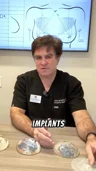 Saline vs silicone for breast augmentation?Breast augmentation saline and silicone implants both have silicone outer shells, but saline contains sterile salt water and silicone implants contain gel, according to FDA’s January 31, 2025 patient page.
 Which breast augmentation shape and texture fit?Breast augmentation fill, shape, profile and surface are separate choices, and FDA says BIA-ALCL occurs more frequently with textured implants, in guidance checked October 16, 2026.
- What size breast augmentation should I get?Breast augmentation size is discussed in cubic centimeters and projection, without a reliable cc-to-cup conversion, according to Kolder’s ASPS-hosted sizing article checked October 16, 2026.
- Breast augmentation over or under the muscle?Breast augmentation over the muscle places the implant behind breast tissue, while under-muscle placement adds pectoral coverage and possible movement during flexion, according to ASPS and The Aesthetic Society guidance checked October 16, 2026.
- Where are breast augmentation incisions made?Breast augmentation incisions can enter through the breast fold, areolar edge or armpit, with selection affected by the implant and anatomy, according to ASPS guidance checked October 16, 2026.
- What FDA warnings apply to breast augmentation?Breast augmentation implants require risk information including a boxed warning, patient decision checklist and device card, according to FDA’s January 31, 2025 patient page.
- How long do breast augmentation implants last?Breast augmentation implants are not lifetime devices, but FDA’s January 31, 2025 page says their life varies by person and cannot be predicted.
- What are breast augmentation risks and rates?Breast augmentation can cause bleeding, infection, painful tightening around the implant, malposition, rippling and temporary or permanent sensation changes, according to ASPS and FDA guidance checked October 16, 2026.
 What screening follows breast augmentation?Breast augmentation with silicone implants calls for a first ultrasound or MRI at 5–6 years and then every 2–3 years in asymptomatic patients, according to FDA’s September 2020 labeling guidance.
- Can I breastfeed after breast augmentation?Breast augmentation does not rule out breastfeeding, but milk supply cannot be promised, according to CDC guidance and Mayo’s September 10, 2024 page.
- Does breast augmentation cause BIA-ALCL?Breast augmentation implants are associated with BIA-ALCL, a non-Hodgkin lymphoma generally found in fluid or capsule near an implant, and FDA says risk is higher with textured surfaces in its October 23, 2019 Q&A.
- What is breast implant illness after breast augmentation?Breast implant illness after breast augmentation describes reported systemic symptoms whose cause and degree of implant association remain unclear, according to FDA’s systemic-symptom page checked October 16, 2026.
- How do I compare breast augmentation before and after?Breast augmentation before and after photos help discuss individual goals but cannot promise a matching result, according to The Aesthetic Society guidance checked October 16, 2026.
- Who should perform my breast augmentation?Breast augmentation should be planned with a surgeon whose plastic-surgery credentials, relevant experience and operating facility you can verify, according to ASPS guidance checked October 16, 2026.
Start with the change you want
What is breast augmentation with implants?
Breast augmentation with implants adds breast volume using saline-filled or silicone gel-filled devices, according to ASPS and FDA guidance checked October 16, 2026. It can address a desire for larger breasts or a change in fullness, but the examination must separate volume from skin and nipple position. ASPS also describes fat-transfer augmentation, which has its own guide.
Separate your goal from the medical assessment
ASPS says the choice should be your own. Describe desired volume, proportion or asymmetry changes in your own words.
ASPS includes breast size and shape, skin quality, and nipple/areola position. The examination determines whether adding volume addresses the concern.
ASPS lists physical health, fully developed breasts and no current pregnancy or breastfeeding. FDA silicone cosmetic labeling is 22 or older; eligibility still needs assessment.
Start with the change that matters to you rather than a device brand. You might want more fullness, better balance between the breasts or a different proportion in clothing. ASPS says the decision should be your own and lists physical health, realistic expectations, fully developed breasts and no current pregnancy or breastfeeding among candidacy considerations. Those are considerations, not a checklist that establishes medical clearance or predicts satisfaction. Bring your medical history, medicines and supplements, tobacco and other substance use, breast-cancer family history, and previous imaging or biopsies. ASPS describes examining breast shape and size, skin quality and nipple/areola position. The Aesthetic Society says substantial planned weight loss should be discussed; pregnancy, weight changes and menopause may alter the augmented breast later. FDA silicone cosmetic labeling is for women age 22 or older, and the saline labeling is for women age 18 or older. These are device indications, not evidence that every adult at those ages is a suitable candidate. Active infection, inadequately treated breast cancer or precancer, and current pregnancy/nursing appear among MemoryGel’s labeling contraindications. Ask how the proposed device’s own labeling applies to you. The sources do not offer a single weight cutoff, fixed appearance or measured candidacy success rate. If you already have implants and want a change, the revision guide addresses that different operation.
“Does adding volume address my goal, and which examination or health findings could change the plan?”
Start with the change you want
Do I need a lift with breast augmentation?
Breast augmentation implants do not correct severely drooping breasts, and a lift may be needed separately or together with augmentation, according to ASPS guidance checked October 16, 2026. Adding volume and lifting the skin and nipple position are different decisions. A larger implant is not evidence that the need for a lift disappears.
What needs to change?
Ask the surgeon to explain which part of the concern is missing volume, which is stretched skin and which is nipple position. ASPS includes skin quality and nipple/areola position in the consultation examination. The breast lift guide explains lift candidacy and incision patterns; use it if a combined operation is proposed, because its scope, scars, recovery and costs should be discussed together. The 2021 US planning review treats lift assessment, implant selection, pocket plane, fold position and incision as separate planning steps. That approach helps compare two surgeons who recommend different operations without assuming the smaller-scar proposal will achieve the same change. A 2013 Minnesota series describes dual-plane augmentation for selected minimal ptosis or pseudoptosis, between straightforward augmentation and a lift. It included 256 dual-plane cases among 1,999 primary augmentations, with only 23.5% of that subgroup followed beyond one year. This is limited observational experience, not proof that dual plane prevents later sagging or replaces a lift for everyone. Ask what would remain if you chose implants alone and how a future pregnancy or weight change could affect the result. The decision may be to accept some remaining droop, add a lift, stage the operations or defer surgery; the source does not supply a universal formula based on an online photo.
“What would implants alone leave unchanged, and what would a lift add to my result, scars and surgical plan?”
Compare implant choices
Saline vs silicone for breast augmentation?
Breast augmentation saline and silicone implants both have silicone outer shells, but saline contains sterile salt water and silicone implants contain gel, according to FDA’s January 31, 2025 patient page. Cohesive or gummy-bear gel remains silicone, rather than a third filler. Fill changes feel, insertion and what a leak may look like.
Fill changes leakage behavior and planning
ASPS describes saline collapse after leakage; the salt water is absorbed and expelled by the body. Mayo distinguishes that absorption from removal of the remaining silicone shell, so choosing saline does not mean a rupture requires no procedure. The Aesthetic Society says some saline implants are filled during surgery, allowing minor volume adjustment; silicone devices are prefilled and larger devices may need longer incisions. Structured saline uses an internal structure intended to change feel. FDA’s IDEAL description includes two lumens, nested shells and internal baffles; it is a particular design rather than evidence that every saline device behaves alike. The Society describes cohesive gel as crosslinked silicone molecules producing a thicker, firmer gel. ASPS uses gummy bear for form-stable implants and notes a slightly longer incision, without giving one universal length. Neither term means rupture-proof. FDA says silicone rupture is often silent and gel can remain within the capsule or escape beyond it, sometimes making removal difficult. A prop demonstration cannot show the long-term behavior of an implanted device. FDA’s cosmetic age wording is women age 18 or older for saline and women age 22 or older for silicone gel. Discuss the exact US-approved model, its feel under your tissue, surveillance and trade-offs. The educational sources provide no measured head-to-head patient denominator for a promise about naturalness.
“Why do you recommend this filler and model for my tissues, and how would a leak be detected and managed?”
Compare implant choices
Which breast augmentation shape and texture fit?
Breast augmentation fill, shape, profile and surface are separate choices, and FDA says BIA-ALCL occurs more frequently with textured implants, in guidance checked October 16, 2026. A silicone implant can have different shapes or surfaces. A familiar shape or brand name does not by itself establish the device’s risk or current availability.
Fill, shape, profile and surface are separate
ASPS describes round implants and form-stable shaped devices, and says rotation of a shaped implant can produce an unusual appearance that requires another procedure. Higher-profile round devices offer more projection, but profile does not specify a bra cup. Smooth devices can still have visible or palpable rippling. Surface discussions need the later safety history beside older contracture claims: the July 24, 2019 Allergan recall covered BIOCELL textured implants and expanders. Historical core studies that include BIOCELL cannot be read as a current shopping recommendation. FDA’s September 26, 2024 Motiva approval identifies SmoothSilk Round and Round Ergonomix for primary/revision augmentation in women 22 or older; that approval does not turn the product name into another filler category. Ask to see the actual patient label and device description. A 2025 augmentation-only review included 24 studies and found a smooth-versus-textured contracture association across 16 comparisons involving 17,407 cases. A 2026 review mixing augmentation and reconstruction found its initial association no longer significant after plane stratification and historical/overlap exclusions. These different, largely historical pools cannot establish overall safety or justify a recalled surface. The BIA-ALCL chapter explains FDA’s reporting limits. Keep a surface-specific cancer discussion separate from the question of firmness around an implant.
“What are this implant’s filler, shape, profile and surface, and how do its current label and safety history affect your recommendation?”
Compare implant choices
What size breast augmentation should I get?
Breast augmentation size is discussed in cubic centimeters and projection, without a reliable cc-to-cup conversion, according to Kolder’s ASPS-hosted sizing article checked October 16, 2026. Bra cup labels are not uniform and the same volume can look different on different bodies. A simulation is a discussion aid rather than a prediction of your final appearance.
Write down more than the cc number
The ASPS-hosted sizing article uses cubic centimeters. It provides no uniform conversion from cc to bra cup.
Projection and volume are different. The same volume can look different on different bodies.
Use a simulation to discuss a goal and record the selected device and permitted alternatives. An image cannot establish the eventual surgical appearance.
Describe how much fullness you want and where, including how you want clothing to fit. Bring examples to explain a preference, then ask the surgeon what your starting breast shape, tissue, skin and proportions allow. ASPS includes those features in the examination. Profile describes outward projection and is distinct from volume; choosing more projection does not define every other implant dimension or the distance between your breasts. Ask to record the manufacturer, model, volume and dimensions instead of only a desired cup. Discuss asymmetry and what the surgeon expects to remain. The 2013 profile analysis used adjusted observational trial data, with a core group of 454 and a combined analysis of 4,412 across different follow-up. It did not establish a personalized ideal profile, and a nonsignificant malposition difference is not proof that all profiles are equivalent. The sizing article is educational and supplies no measured cc-to-cup denominator. David Turer’s selected video describes a practice protocol using preoperative imaging and one size for primary cases; that does not mean all surgeons use it or that imaging fixes the eventual result. Before consent, clarify whether alternatives may be used during surgery, why and within what agreed limits. If your preference remains uncertain, another discussion is more useful than treating a bra label as a precise specification.
“Which implant dimensions fit my anatomy and goals, and what size or model changes would I be authorizing during surgery?”
Plan the operation
Breast augmentation over or under the muscle?
Breast augmentation over the muscle places the implant behind breast tissue, while under-muscle placement adds pectoral coverage and possible movement during flexion, according to ASPS and The Aesthetic Society guidance checked October 16, 2026. Neither description identifies one preferred plane for every patient. Dual plane combines dissection above the muscle with partial placement behind it.
Coverage and muscle movement are different concerns
The cross-section shows relationships rather than how your breast will look. Ask how much of your implant will be covered by muscle, what tissue covers the lower part and how your skin and existing breast tissue affect visible edges. The Aesthetic Society describes less muscle-driven movement above the muscle but possible mammography and breastfeeding interference; its below-muscle discussion describes the opposite trade-offs without comparative rates. ASPS’s 2026 staff article flags rippling above muscle especially with thin tissue and less flexion distortion for active patients. University of Utah describes more pain with under-muscle placement, also affected by implant size, without a measured pain comparison. These are counseling statements, not predictions of easier recovery. Tebbetts’s 2001 Dallas technique series of 468 patients defines dual plane through combined retromammary and partial retropectoral dissection; ask what your surgeon means by the term. Haas’s 2025 review associated subpectoral placement with lower contracture odds across 11 studies and 17,707 cases, but historical devices and nonrandomized pocket selection limit cause-and-effect conclusions. A newer 33-study review found surface stratification weakened a general subfascial advantage. Neither synthesis establishes a US individual’s overall complication probability. If chest training matters to you, discuss movement, coverage and the later activity plan separately.
“What will cover each part of my implant, and how do you weigh rippling, flexion movement, pain and screening for my anatomy?”
SourcesAmerican Society of Plastic SurgeonsThe Aesthetic SocietyUniversity of Utah HealthJournal of plastic, reconstructive & aesthetic surgery : JPRASObstetrics and gynecology clinics of North AmericaPlastic and Reconstructive SurgeryAmerican Society of Plastic SurgeonsPlastic and reconstructive surgeryJournal of plastic, reconstructive & aesthetic surgery : JPRASAesthetic Surgery Journal Open ForumAesthetic Surgery Journal Open Forum
Plan the operation
Where are breast augmentation incisions made?
Breast augmentation incisions can enter through the breast fold, areolar edge or armpit, with selection affected by the implant and anatomy, according to ASPS guidance checked October 16, 2026. Each route leaves a scar and has trade-offs. A shorter or more hidden incision does not establish a lower overall complication risk.
Access has benefits and costs
Ask the surgeon to mark the proposed location on your own body. The Aesthetic Society describes inframammary access beneath the breast and often recommends it for large implants. It describes possible higher contracture risk with lower-areola access, without giving an absolute rate, and more tissue manipulation with transaxillary access, including numbness or muscle-function risks. CDC says areolar incisions can affect milk production; a scar alone does not establish full nipple detachment. A 2013 observational incision analysis found the periareolar association only before adjustment, while an axillary association persisted after adjustment. That is not evidence both routes create the same causal risk. A 2019 ABPS analysis of 11,756 women in 2011–2015 recorded 75.1% inframammary, 17.8% periareolar and 4.1% transaxillary access. Those figures describe selected historical practice, not comparative safety or all current US surgery. ASPS says scar quality depends on genetics, nicotine exposure and infection; the Society says incision lines are permanent although they may fade. Larger prefilled or form-stable devices may require more access, without a universal incision length. The Society limits the belly-button route to traditional saline and describes reduced control and possible distortion; this narrower option does not remove a scar or establish an advantage. A combined lift adds its own incision plan, which the separate lift guide explains.
“Where would my scar sit, why does that route suit this implant, and how could it affect sensation, breastfeeding or future surgery?”
Understand the longer commitment
What FDA warnings apply to breast augmentation?
Breast augmentation implants require risk information including a boxed warning, patient decision checklist and device card, according to FDA’s January 31, 2025 patient page. FDA’s example warning says “Breast implants are not considered lifetime devices.” Read the actual proposed device’s patient label before deciding, rather than treating approval as a promise of trouble-free use.
Risk information to read before choosing
FDA’s September 2020 example says “Breast implants are not considered lifetime devices.” It also says “Some patients have died from BIA-ALCL.”
FDA’s January 2025 page says patients must have the opportunity to initial/sign the checklist and the implanting physician must sign it.
Ask for the patient labeling for the actual model. Keep its card and manufacturer/model information for later imaging and care.
FDA’s September 2020 guidance recommends labeling content; the October 27, 2021 sale/distribution restrictions are a later regulatory step intended to ensure patients receive risk information. The January 2025 page says distribution is restricted to providers and facilities using the checklist. Patients must have the opportunity to initial/sign it, and the physician implanting the device must sign. FDA’s example boxed warning also says “Some patients have died from BIA-ALCL.” It discusses greater frequency with texture and states that individual risk of systemic symptoms is not well established. These are warning and consent requirements, not a cohort with a measured patient denominator. A signature records a discussion; it does not eliminate risk or answer a question you still have. Ask for enough time to read the manufacturer’s patient information, compare the exact model’s outcomes and discuss alternatives, including deferring surgery. FDA’s labeling index links device-specific documents because historical and current models can differ. Keep the implant card and operative information after surgery; FDA says the manufacturer and model can also be requested from the surgeon or facility. That record matters for future imaging, a recall discussion, warranty eligibility and any later surgeon. Ask who will explain uncertainties, what follow-up involves and which costs may remain yours if surgery is needed later.
“Can we review this device’s boxed warning and each checklist item before I sign, including the risks I am least comfortable accepting?”
Understand the longer commitment
How long do breast augmentation implants last?
Breast augmentation implants are not lifetime devices, but FDA’s January 31, 2025 page says their life varies by person and cannot be predicted. FDA does not set an automatic ten-year replacement deadline. Ten-year studies count outcomes in particular cohorts; they do not establish that an implant expires or survives trouble-free until an anniversary.
Long-term studies measure operations, not an expiry date
The table separates any reoperation from a narrower implant-related operation and from device failure. A patient may choose a size change or lift without rupture, and one patient can have several operations. MemoryGel’s 2021 report enrolled 552 primary augmentation patients and had 57% ten-year follow-up. Its patient-level Kaplan–Meier estimates were 25.5% for any reoperation and 11.94% for implant-related reoperation. Kaplan–Meier accounts for time to an event and incomplete observation, so multiplying a percentage by enrollment does not reproduce a raw event count. Natrelle round’s 2014 cohort included 455 augmentation enrollees, 13.3% concurrent lifts and historical smooth/BIOCELL devices, with 66.7% ten-year follow-up. Sientra’s label has another population and device mix. The IDEAL structured-saline study’s 39.4% ten-year subsequent-operation estimate uses an adjusted 363-patient correct-valve primary subgroup with specified manufacturing-defect exclusions; its 6.6% contracture estimate uses all 399 primary patients. Those risk sets cannot be silently combined. Motiva’s 2024 primary report is three-year evidence, not ten-year longevity. Mayo’s September 2024 about-ten-years wording is educational shorthand without a survival-study denominator, alongside FDA’s uncertainty. MENTOR, Natrelle, Sientra and Motiva offer conditional device-replacement benefits in their own terms; a lifetime device benefit is different from paying all surgery expenses. Use the cost and revision guides for those decisions.
“What could lead to another operation with this model, what monitoring do you recommend and which future costs would remain mine?”
SourcesU.S. Food and Drug AdministrationU.S. Food and Drug AdministrationU.S. Food and Drug AdministrationMentor / Johnson & JohnsonAllergan Aesthetics / AbbVieTiger Aesthetics Medical / SientraMotiva USA / Establishment LabsThe Aesthetic SocietyMayo ClinicUniversity of Utah HealthPlastic and Reconstructive SurgeryPlastic and Reconstructive SurgeryAesthetic Surgery JournalSientra / Tiger Aesthetics MedicalPlastic and Reconstructive SurgeryAesthetic Surgery JournalAllergan Aesthetics / AbbVie
Understand the longer commitment
What are breast augmentation risks and rates?
Breast augmentation can cause bleeding, infection, painful tightening around the implant, malposition, rippling and temporary or permanent sensation changes, according to ASPS and FDA guidance checked October 16, 2026. Rates depend on the device, endpoint and follow-up. The studies below describe enrolled populations rather than a personal complication forecast.
Keep each complication beside its study
FDA calls tightening of the tissue capsule capsular contracture. Baker I is normally soft with a natural appearance, II a little firm with normal appearance, III firm with abnormal appearance, and IV hard and painful with abnormal appearance. Severe contracture can need surgery and can recur afterward. A capsule itself is different from a diagnosis of severe contracture. FDA defines malposition as a device in the wrong position and rippling as folds seen or felt through skin. It also describes fluid collection, infection and sensation changes that may affect breastfeeding or sexual response. MemoryGel’s 2021 primary cohort of 552 had ten-year KM estimates of 12.1% Baker III/IV contracture and 1.6% infection. Its 12.8% nipple-sensation-change and 1.0% malposition estimates exclude mild events; the sensation figure is not permanent numbness prevalence. Sientra’s figures come from 1,116 primary enrollees and different reporting. Historical styles, follow-up loss and manufacturer-specific study designs prevent a brand ranking. Ask about bleeding, poor healing, asymmetry, persistent pain and anesthesia risks even where the packet supplies no reliable absolute rate. After surgery, Mayo says warmth, redness or fever warrant prompt surgeon contact and also advises contact for shortness of breath or chest pain. The Aesthetic Society advises contact for extreme or prolonged pain. Get the team’s written urgent-contact instructions before discharge; a symptom should not wait for an online diagnosis.
“Which risks matter most for my operation, what rates do you track and how do I reach the team promptly if a concerning change develops?”
Plan life with implants
What screening follows breast augmentation?
Breast augmentation with silicone implants calls for a first ultrasound or MRI at 5–6 years and then every 2–3 years in asymptomatic patients, according to FDA’s September 2020 labeling guidance. Symptoms or uncertain ultrasound results warrant MRI at any postoperative time. Rupture surveillance does not replace breast-cancer screening.
Rupture surveillance and cancer screening have different jobs
FDA says most silicone ruptures are silent and examination alone may miss them. Gel may stay within the capsule or escape it. Shape or size changes, hard lumps, asymmetry, pain or sensory changes can occur; contact your healthcare provider for new changes rather than waiting for the next routine image. FDA provides no routine saline rupture-screening recommendation because deflation can be detected without screening, although the shell may still require removal. The 2021 MemoryGel report illustrates why units matter: original primary MRI cohort A had 202 patients, with 46% ten-year follow-up. Suspected/confirmed ten-year rupture KM was 24.2% per patient and 14.9% per implant, not confirmed-only rupture or raw percentages of all 552 primary enrollees. Sientra’s label reports 8.5% suspected/confirmed patient KM in an original primary MRI cohort of 398; that is another study, not a head-to-head comparison. For mammography, the American Cancer Society’s July 23, 2026 page says both fillers can obscure tissue and describes four extra implant-displacement pictures, two per breast, alongside four standard pictures. Tell the facility about your implants before the appointment. Displacement views can be easier behind muscle and harder with contracture. Hopkins’s no-evidence wording about cancer detection cannot be strengthened into perfect screening sensitivity. Mayo questions routine-screening evidence while reporting FDA’s schedule; that caveat does not replace the label with symptom-only monitoring.
“Who will coordinate my silicone rupture imaging and breast-cancer screening, and how will we handle symptoms or an uncertain scan?”
Plan life with implants
Can I breastfeed after breast augmentation?
Breast augmentation does not rule out breastfeeding, but milk supply cannot be promised, according to CDC guidance and Mayo’s September 10, 2024 page. CDC says most mothers after breast or nipple surgery can produce some milk and may not produce a full supply. Its guidance includes operations beyond implant augmentation.
Plan around milk supply and future breast changes
CDC says most mothers after breast/nipple surgery can make some milk, but may not produce a full supply. This guidance covers more than augmentation.
CDC says below-muscle implants usually affect production less; areolar incisions and full nipple detachment are more likely to reduce production. A scar alone does not prove detachment.
A 1996 lactation-program study found insufficient lactation in 27 of 42 augmented mothers and 3 of 42 controls. Selected clinic records cannot predict today’s candidate’s milk supply.
CDC says below-muscle implants usually affect milk production less than above-muscle implants. It flags incisions around the areola and operations that fully detach the nipple/areola as more likely to reduce production; an areolar scar alone does not prove complete detachment. Ask what your proposed access would disturb rather than inferring it from a scar name. CDC also notes that pre-existing breast hypoplasia can affect supply, which complicates comparisons between augmented and nonaugmented mothers. A 1996 retrospective US lactation-support-program study found insufficient lactation in 27 of 42 augmented mothers compared with 3 of 42 controls. That selected historical sample is not the probability for every person considering implants today. The Aesthetic Society’s selection page says there is no evidence of a breastfeeding effect, while CDC and Mayo provide more qualified counseling. A no-evidence statement is not proof that surgery cannot affect supply. CDC cites insufficient evidence to treat silicone implants as a breastfeeding contraindication, with limited research; infant exposure and milk quantity are different questions. Discuss future pregnancy, prior feeding history and access to lactation support, including monitoring infant intake and growth with the child’s care team if supply is uncertain. ASPS lists no current pregnancy or breastfeeding among candidacy considerations. Pregnancy can also change appearance after surgery, so timing is part of the decision even when future feeding remains possible.
“How could my anatomy, incision and implant plane affect future milk production, and what support would I need after birth?”
Separate reported symptoms and cancers
Does breast augmentation cause BIA-ALCL?
Breast augmentation implants are associated with BIA-ALCL, a non-Hodgkin lymphoma generally found in fluid or capsule near an implant, and FDA says risk is higher with textured surfaces in its October 23, 2019 Q&A. It is not breast cancer. FDA’s passive reporting system cannot establish a reliable incidence or an individual one-in-X probability.
The reports do not supply an incidence denominator
FDA describes a non-Hodgkin lymphoma generally in fluid or capsule around an implant. Risk is higher with textured than smooth surfaces.
The July 24, 2019 FDA-hosted Allergan announcement recalls BIOCELL textured implants and expanders. Smooth and MICROCELL devices were not affected by that announcement.
FDA’s table through June 30, 2024 lists 1,380 US-and-worldwide cases. Bilateral disease is counted twice; this is neither 1,380 distinct patients nor US incidence.
FDA says persistent swelling, a mass or pain near an implant needs healthcare-provider evaluation. It does not recommend routine removal solely for BIA-ALCL concern without symptoms.
FDA’s table through June 30, 2024 lists 1,380 US-and-worldwide reported cases, counting bilateral disease twice. Its 588 US-reporter entries are not confirmed US operations because reporter and event countries may differ. Device-use denominators and histories are incomplete, so neither count can become an incidence percentage. ASPS’s patient summary prints a lifetime textured-implant estimate of 1:2,207–1:86,029; its physician page dated October 1, 2020 prints 1:355–1:86,029. These inconsistent historical summaries reflect different populations and devices, not an FDA risk estimate or a measured 2026 risk change. FDA discusses a smooth-device report without known textured history and many incomplete histories; ASPS’s no-confirmed-smooth-only-case wording does not establish zero risk. The July 24, 2019 FDA-hosted Allergan announcement recalls BIOCELL textured implants and expanders, excluding smooth and MICROCELL devices from that announcement. FDA does not recommend routine removal solely for BIA-ALCL concern without symptoms. It advises healthcare-provider evaluation for persistent swelling, a mass or pain; fluid or tissue testing can change the required operation. FDA separately reports SCC and other lymphomas in implant capsules with unknown cause, incidence and risk factors. Those are not interchangeable BIA-ALCL counts. For existing implants or possible removal, use the revision guide; capsulectomy is not established cancer prevention.
“How does this model’s surface affect the cancer discussion, and which symptoms would need prompt specialist evaluation?”
SourcesU.S. Food and Drug AdministrationU.S. Food and Drug AdministrationU.S. Food and Drug AdministrationAmerican Society of Plastic SurgeonsAmerican Society of Plastic SurgeonsU.S. Food and Drug AdministrationBreast Surgery Collaborative Community / ASPSAmerican Society of Plastic SurgeonsAnnals of Breast Surgery
Separate reported symptoms and cancers
What is breast implant illness after breast augmentation?
Breast implant illness after breast augmentation describes reported systemic symptoms whose cause and degree of implant association remain unclear, according to FDA’s systemic-symptom page checked October 16, 2026. FDA says BII is not currently a formal medical diagnosis and has no specific tests or recognized defining criteria. Symptoms deserve evaluation without treating testimony as proof of cause.
Symptoms deserve evaluation; the designs answer different questions
FDA lists fatigue, brain fog, joint or muscle pain, hair loss, weight changes, anxiety and depression among reports involving all implant fills, shapes and surfaces. Its January 2008–June 2024 search identified 10,318 medical-device reports after attempted deduplication. Only 785 supplied postremoval status: 687 reported improvement and 98 no improvement or worsening. Those are selected reports with substantial missing follow-up, not an incidence denominator or an explant cure rate. ASERF’s prospective US study enrolled 150 people, originally 50 in each of three groups: symptomatic implant patients seeking removal, asymptomatic implant patients seeking removal/exchange, and never-implanted mastopexy controls. Its 2023 one-year report describes 88% with at least partial improvement in the selected symptomatic group, with 94% follow-up; the exact respondent denominator for that percentage is not printed. Symptoms remained higher than controls. Overlapping ASERF papers are not independent replication, and foundation funding coexists with investigator industry relationships. A 2025 review of 33 studies and 6,048 women makes more affirmative mechanistic conclusions than FDA, but mixes literature and cannot establish a current US augmentation incidence. A dated 2019 opinion is not the last word either. Neither symptoms alone nor improvement after removal establishes the cause of every case. Discuss how symptoms would be assessed with surgical and primary-care clinicians; the revision guide addresses removal decisions and their separate risks.
“How do you explain the BII uncertainty, evaluate systemic symptoms and coordinate care if I become unwell?”
Prepare a useful consultation
How do I compare breast augmentation before and after?
Breast augmentation before and after photos help discuss individual goals but cannot promise a matching result, according to The Aesthetic Society guidance checked October 16, 2026. Start with the breast augmentation gallery, then ask for cases with similar starting anatomy and the same proposed operation. A selected image is not an outcome rate.
Compare the starting point and the full operation
Compare breast shape, skin and nipple position, asymmetry and body proportions. The same implant volume can look different on different bodies.
Ask for fill, size, profile, plane, incision and any lift or fat grafting. A combined operation cannot demonstrate what implants alone would do.
Mariotti’s ASPS-hosted article gives a variable 3–6-month settling estimate. It is clinician education without a measured cohort, rather than a deadline for every result.
Compare starting breast shape, skin quality, nipple position, asymmetry and body proportions rather than implant volume alone. Ask whether the pictured operation included a lift or fat grafting, which would change what the implants themselves demonstrate. Record filler, model, volume, profile, plane and incision when the practice can provide them. Ask when each after photo was taken and whether later surgery occurred. ASPS says swelling subsides and skin stretches over weeks, while scars may fade over months or a couple of years. Mariotti’s ASPS-hosted article uses drop and fluff for settling with softening and lower-breast filling, giving a variable 3–6-month educational estimate without a measured cohort. This does not mean the manufactured implant grows or that every high or firm breast should be watched until that deadline. New concerning symptoms need evaluation, and detailed healing belongs in the recovery guide. Satisfaction is another endpoint: Natrelle’s 2014 round study reported 94.2% satisfaction among responding augmentation patients at ten years, with 66.7% ten-year follow-up among 455 original augmentation enrollees. That is not the percentage of all enrollees without complications. Knoedler’s 2024 synthesis of 39 studies, 53 cohorts and 18,322 patients found improvements in several BREAST-Q domains, without significant physical-well-being improvement in pairwise analysis. Scores and selected photographs cannot predict your experience.
“Can you show comparable starting anatomy, explain every procedure performed and identify the follow-up time and any later surgery?”
Prepare a useful consultation
Who should perform my breast augmentation?
Breast augmentation should be planned with a surgeon whose plastic-surgery credentials, relevant experience and operating facility you can verify, according to ASPS guidance checked October 16, 2026. ASPS specifically distinguishes American Board of Plastic Surgery certification from other official-sounding cosmetic-surgery credentials. A medical license, society membership and specialty board certification are different things.
Take a plan you can compare between consultations
Verify American Board of Plastic Surgery certification by name. ASPS recommends an accredited ambulatory center or hospital; ask about anesthesia and hospital privileges.
Record manufacturer/model, fill, dimensions, profile, surface, plane, incision and any lift. Clarify what substitutions or changes you authorize.
ASPS recommends arranging a ride and first-night assistance. Get follow-up access, complication handling and responsibility for later costs in writing.
ABMS identifies ABPS as its plastic-surgery specialty board. Verify the named board rather than accepting an unspecified board-certified label. Ask about hospital privileges for the procedure, who provides anesthesia, facility accreditation and experience with your proposed implant/plane and any combined lift. ASPS recommends an accredited outpatient or ambulatory center or hospital. Its procedure page lists IV sedation and general anesthesia; The Aesthetic Society describes general as common with other options in some cases. There is no universal anesthetic plan based on the word augmentation. The Society’s at-least-1–2-hour operation estimate is education without a measured duration cohort, and a lift may take longer. Practical planning includes a ride, someone for at least the first postoperative night, written instructions and scheduled follow-up, as ASPS describes. Bring breast-cancer family history, prior mammograms or biopsies, medical conditions, medicines and supplements; coordinate medication changes with the prescribing and surgical teams. Compare written plans with the same fill, device, plane, incision and lift scope. Ask which alternatives or intraoperative changes you would authorize and what happens if the original goal cannot safely be met. Get the complication contact, imaging responsibilities, records access and policy for later surgery in writing. Prices, financing and detailed activity restrictions have separate guides; carry this decision list into those discussions.
“Can you document your credentials, facility, exact implant plan, authorized alternatives and follow-up responsibilities before I decide?”
SourcesU.S. Food and Drug AdministrationAmerican Board of Plastic SurgeryAmerican Board of Medical SpecialtiesAmerican Society of Plastic SurgeonsAmerican Society of Plastic SurgeonsAmerican Society of Plastic SurgeonsAmerican Society of Plastic SurgeonsAmerican Society of Plastic SurgeonsAmerican Society of Plastic SurgeonsAmerican Society of Plastic SurgeonsThe Aesthetic SocietyMayo Clinic@drturer
My breast augmentation questions
Save the questions you want to bring to consultation. This browser keeps your list.
Nothing saved yet. Tap Save to my list under any question.
Start with a short intake, pick your top 3 practices, and get Interactive Quotes back.
Near you
Practices that publish breast augmentation results, and breast augmentation pages for the cities and states Afters covers.
Compare the full implant plan
Keep the device, lift decision, surgical approach, screening and future-surgery discussion together when comparing consultations.
How we researched this guide
Questions about fill, size regret, placement, lift needs, sensation, screening and later surgery shaped this guide. Answers use corrected clinical research and primary labeling checked October 16, 2026.
Source scope stays visible
Guidance has no measured patient denominator unless a study is named. Patients, implants, operations, raw counts and Kaplan–Meier estimates are different units. Historical or mixed-surface cohorts do not rank current brands.
Patient questions, with access limits
The packet retains 63 mixed-role source URLs, including repeated creators and clinician explanations. It opened 37 Reddit threads but certified no complete original discussion. We paraphrase concerns without quoting forum authors or treating counts as prevalence or measured search demand.
Media publication limits
Selected KEEP clips have sampled visual, caption and audio-model screening, rather than completed human full-speed review or rights clearance. Only uploaded playback enters the page or citations. Clinician preferences and prop demonstrations do not replace comparative device studies.
Read the linked decision next
Breast lift, fat-transfer augmentation and implant revision have separate guides. Prices and detailed recovery instructions remain in the cost and recovery guides. FDA passive reports cannot establish BII or BIA-ALCL incidence.
Sources
- What to Know About Breast Implants | FDAU.S. Food and Drug Administration · Accessed Oct 16, 2026
- Types of Breast Implants | American Society of Plastic SurgeonsAmerican Society of Plastic Surgeons · Accessed Oct 16, 2026
- Breast Augmentation | American Society of Plastic SurgeonsAmerican Society of Plastic Surgeons · Accessed Oct 16, 2026
- Breast Augmentation Candidates | American Society of Plastic SurgeonsAmerican Society of Plastic Surgeons · Accessed Oct 16, 2026
- Breast Augmentation Consultation | American Society of Plastic SurgeonsAmerican Society of Plastic Surgeons · Accessed Oct 16, 2026
- Breast Augmentation Risks and Safety | ASPSAmerican Society of Plastic Surgeons · Accessed Oct 16, 2026
- Selecting a Breast Augmentation Surgeon | The Aesthetic SocietyThe Aesthetic Society · Accessed Oct 16, 2026
- Summary of Safety and Effectiveness Data: Mentor MemoryGel Silicone Gel-Filled Breast Implants (P030053)FDA · 2006
- Summary of Safety and Effectiveness Data: Sientra Silicone Gel Breast Implants (P070004)FDA · 2012
- Summary of Safety and Effectiveness Data: Motiva SmoothSilk Round and Ergonomix Silicone Gel-Filled Breast Implants, P230005U.S. Food and Drug Administration · 2024
- Breast augmentation candidacy: @drturerTikTok · @drturer · May 9, 2024
- Contemporary Breast Augmentation Practice in the United States.Annals of plastic surgery · 2021
- Dual plane breast augmentation: optimizing implant-soft-tissue relationships in a wide range of breast types.Plastic and reconstructive surgery · 2001
- Dual-plane breast augmentation for minimal ptosis pseudoptosis (the "in-between" patient).Aesthetic surgery journal · 2013
- Types of Breast Implants | FDAU.S. Food and Drug Administration · Accessed Oct 16, 2026
- Risks and Complications of Breast Implants | FDAU.S. Food and Drug Administration · Accessed Oct 16, 2026
- Breast Augmentation Procedure Overview | The Aesthetic SocietyThe Aesthetic Society · Accessed Oct 16, 2026
- Summary of Safety and Effectiveness Data: IDEAL IMPLANT Saline-filled Breast Implant (P120011)FDA · 2014
- Breast implants: Saline vs. silicone - Mayo ClinicMayo Clinic · 2024
- Breast augmentation candidacy: @clinicforplasticsurgeryTikTok · @clinicforplasticsurgery · Jan 23, 2024
- Questions and Answers about Breast Implant-Associated Anaplastic Large Cell Lymphoma (BIA-ALCL) | FDAU.S. Food and Drug Administration · Accessed Oct 16, 2026
- Allergan Voluntarily Recalls BIOCELL® Textured Breast Implants and Tissue Expanders | FDAU.S. Food and Drug Administration · Accessed Oct 16, 2026
- Premarket Approval (PMA)FDA · Accessed Oct 16, 2026
- Capsular Contracture After Breast Augmentation: A Systematic Review and Meta-AnalysisAesthetic Surgery Journal Open Forum · 2025
- A Head-to-Head Meta-Analysis of 35,052 Smooth vs Textured Implants in Breast Reconstruction and AugmentationAesthetic Surgery Journal Open Forum · 2026
- Breast augmentation candidacy: Restore SD Plastic SurgeryYouTube/Restore SD Plastic Surgery · 2022
- Clinical trial outcomes of high- and extra high-profile breast implants.Aesthetic surgery journal · 2013
- Can 3D imaging help you pick the perfect breast implants? | ASPSAmerican Society of Plastic Surgeons · 2018
- Breast Augmentation Procedure Steps | American Society of Plastic SurgeonsAmerican Society of Plastic Surgeons · Accessed Oct 16, 2026
- Breast Augmentation | University of Utah Health | University of Utah HealthUniversity of Utah Health · Accessed Oct 16, 2026
- Primary breast augmentation clinical trial outcomes stratified by surgical incision, anatomical placement and implant device type.Journal of plastic, reconstructive & aesthetic surgery : JPRAS · 2013
- Breast augmentation.Obstetrics and gynecology clinics of North America · 2010
- Natrelle Round Silicone Breast Implants: Core Study Results at 10 YearsPlastic and Reconstructive Surgery · 2014
- The top 10 things plastic surgeons want you to know about breast implants | ASPSAmerican Society of Plastic Surgeons · 2026
- Treatment of breast animation deformity: A systematic review.Journal of plastic, reconstructive & aesthetic surgery : JPRAS · 2019
- Capsular Contracture Rates in Subfascial and Subglandular Breast Augmentation With Smooth vs Textured ImplantsAesthetic Surgery Journal Open Forum · 2026
- Breast Augmentation (Implant) Scars & Incisions | The Aesthetic SocietyThe Aesthetic Society · Accessed Oct 16, 2026
- Current Trends in Breast Augmentation: Analysis of 2011-2015 Maintenance of Certification (MOC) Tracer Data.Aesthetic surgery journal · 2019
- Breast Surgery and Breastfeeding | Breastfeeding special circumstances | CDCCDC · 2025
- Breast Implants - Certain Labeling Recommendations to Improve Patient CommunicationU.S. Food and Drug Administration · Accessed Oct 16, 2026
- Labeling for Approved Breast Implants | FDAU.S. Food and Drug Administration · Accessed Oct 16, 2026
- Breast augmentation - Mayo ClinicMayo Clinic · 2024
- Breast Implants | FDAFDA · Accessed Oct 16, 2026
- Things to Consider Before Getting Breast Implants | FDAU.S. Food and Drug Administration · Accessed Oct 16, 2026
- Breast Implant & Expander Warranty Info | Breast Implants by MENTOR™ USMentor / Johnson & Johnson · Accessed Oct 16, 2026
- Gel Technology | Natrelle.comAllergan Aesthetics / AbbVie · Accessed Oct 16, 2026
- The Sientra Platinum20 Product Replacement and Limited Warranty Program for Sientra Silicone Gel Breast ImplantsTiger Aesthetics Medical / Sientra · Accessed Oct 16, 2026
- Motiva USA Warranty Program: Motiva Health Program and Motiva Health Program PlusMotiva USA / Establishment Labs · Accessed Oct 16, 2026
- Breast Augmentation Surgery & Implants | The Aesthetic SocietyThe Aesthetic Society · Accessed Oct 16, 2026
- MemoryGel Breast Implants: Final Safety and Efficacy Results after 10 Years of Follow-UpPlastic and Reconstructive Surgery · 2021
- Ten-year results from the Natrelle 410 anatomical form-stable silicone breast implant core studyAesthetic Surgery Journal · 2015
- Breast Augmentation with Sientra Silicone Gel Breast Implants: Patient Educational BrochureSientra / Tiger Aesthetics Medical · Accessed Oct 16, 2026
- Ideal Implant Structured Breast Implants: Core Study Results through 10 YearsPlastic and Reconstructive Surgery · 2023
- The Study of the Safety and Effectiveness of Motiva SmoothSilk Silicone Gel-Filled Breast Implants in Patients Undergoing Primary and Revisional Breast Augmentation: Three-Year Clinical DataAesthetic Surgery Journal · 2024
- Making an Informed Decision: Breast Surgery with Natrelle Saline-Filled Breast ImplantsAllergan Aesthetics / AbbVie · Accessed Oct 16, 2026
- Breast Augmentation (Implant) Recovery | The Aesthetic SocietyThe Aesthetic Society · Accessed Oct 16, 2026
- Breast Augmentation Results | American Society of Plastic SurgeonsAmerican Society of Plastic Surgeons · Accessed Oct 16, 2026
- Breast Augmentation | Johns Hopkins MedicineJohns Hopkins Medicine · Accessed Oct 16, 2026
- Mammograms with Breast Implants | American Cancer SocietyAmerican Cancer Society · 2026
- Breast MRIACR/RSNA RadiologyInfo · Accessed Oct 16, 2026
- Breast augmentation candidacy: Dr. York Yates Plastic SurgeryYouTube/Dr. York Yates Plastic Surgery · 2023
- Lactation after augmentation mammoplasty.Obstetrics and gynecology · 1996
- Medical Device Reports of Breast Implant-Associated Anaplastic Large Cell Lymphoma | FDAU.S. Food and Drug Administration · Accessed Oct 16, 2026
- Breast Implant-Associated Anaplastic Large Cell Lymphoma (BIA-ALCL) | ASPSAmerican Society of Plastic Surgeons · Accessed Oct 16, 2026
- ASPS Response to AAPS Recommendation Regarding Textured Implant Removal | ASPSAmerican Society of Plastic Surgeons · Accessed Oct 16, 2026
- UPDATE: Reports of Squamous Cell Carcinoma (SCC) in the Capsule Around Breast Implants - FDA Safety Communication | FDAU.S. Food and Drug Administration · Accessed Oct 16, 2026
- Consensus Statement from the Breast Surgery Collaborative Community (BSCC) on Capsulectomy Terminology and ManagementBreast Surgery Collaborative Community / ASPS · Accessed Oct 16, 2026
- BIA-ALCL Resources: By the NumbersAmerican Society of Plastic Surgeons · Accessed Oct 16, 2026
- Current risk of breast implant-associated anaplastic large cell lymphoma: a systematic review of epidemiological studiesAnnals of Breast Surgery · 2021
- Medical Device Reports for Systemic Symptoms in Women with Breast Implants | FDAFDA · Accessed Oct 16, 2026
- Microbes, Histology, Blood Analysis, Enterotoxins, and Cytokines: Findings From the ASERF Systemic Symptoms in Women-Biospecimen Analysis Study: Part 3.Aesthetic surgery journal · 2023
- Longevity of Post-Explantation Systemic Symptom Improvement and Potential Etiologies: Findings From the ASERF Systemic Symptoms in Women-Biospecimen Analysis Study: Part 4.Aesthetic surgery journal · 2023
- Impact of Capsulectomy Type on Post-Explantation Systemic Symptom Improvement: Findings From the ASERF Systemic Symptoms in Women-Biospecimen Analysis Study: Part 1.Aesthetic surgery journal · 2022
- Breast Implant Illness: Symptoms, Outcomes with Explantation and Potential Etiologies-A Systematic Review and Meta-analysis.Aesthetic plastic surgery · 2025
- Silicone Implant Illness: Science versus Myth?Plastic and reconstructive surgery · 2019
- Silicone breast implants and connective tissue diseases: How does current evidence add to the no-association consensus? Systematic review and meta-analysis.Women & health · 2022
- Risk of rheumatic disease in breast implant users: a qualitative systematic review.Gland surgery · 2021
- Impact of Capsulectomy Type on Post-Explantation Systemic Symptom Improvement: Findings From the ASERF Systemic Symptoms in Women-Biospecimen Analysis Study: Part 1 - PMCAesthetic Surgery Journal · Accessed Oct 16, 2026
- Longevity of Post-Explantation Systemic Symptom Improvement and Potential Etiologies: Findings From the ASERF Systemic Symptoms in Women–Biospecimen Analysis Study: Part 4 - PMCAesthetic Surgery Journal · Accessed Oct 16, 2026
- Breast Augmentation (Implant) Results | The Aesthetic SocietyThe Aesthetic Society · Accessed Oct 16, 2026
- What does "drop and fluff" mean after breast augmentation? | ASPSAmerican Society of Plastic Surgeons · 2022
- Quality of life and satisfaction after breast augmentation: A systematic review and meta-analysis of Breast-Q patient-reported outcomes.Journal of Plastic, Reconstructive & Aesthetic Surgery · Accessed Oct 16, 2026
- Breast Implant Surgery | FDAU.S. Food and Drug Administration · Accessed Oct 16, 2026
- ABPlasticSurgery.orgAmerican Board of Plastic Surgery · Accessed Oct 16, 2026
- American Board of Plastic Surgery | American Board of Medical SpecialtiesAmerican Board of Medical Specialties · Accessed Oct 16, 2026
- Breast Augmentation Recovery | American Society of Plastic SurgeonsAmerican Society of Plastic Surgeons · Accessed Oct 16, 2026
- Breast Augmentation Preparation | American Society of Plastic SurgeonsAmerican Society of Plastic Surgeons · Accessed Oct 16, 2026
- Breast Augmentation Cost | American Society of Plastic SurgeonsAmerican Society of Plastic Surgeons · Accessed Oct 16, 2026
- Choosing a Plastic Surgeon for Breast Augmentation | ASPSAmerican Society of Plastic Surgeons · Accessed Oct 16, 2026
- Breast Augmentation Questions | American Society of Plastic SurgeonsAmerican Society of Plastic Surgeons · Accessed Oct 16, 2026
- Breast Augmentation Preparation | Preparing for Breast ImplantsThe Aesthetic Society · Accessed Oct 16, 2026