
Breast Augmentation in Utah.
If you are researching breast augmentation in Utah, you have probably seen many practices describe themselves as the best. This page organizes practice-published examples and practical research context in one place. It does not rank clinical quality, and no practice can pay for a higher organic position.
Silicone middle half
$6,495–$8,810
50 practice websites.
Full recovery • Cleveland, 2021
6–8 weeks
Cities
30
Real Breast Augmentation results across Utah
Compare documented before and after results from practices across Utah, then open any result to review the provider behind it.
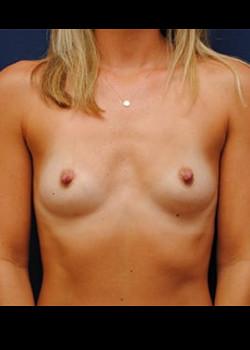 Before
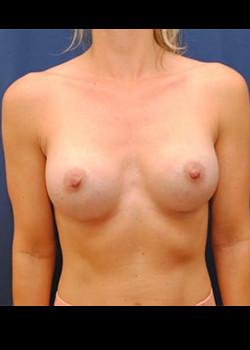 AfterWatterson Plastic SurgeryDraper, UTPractice-published
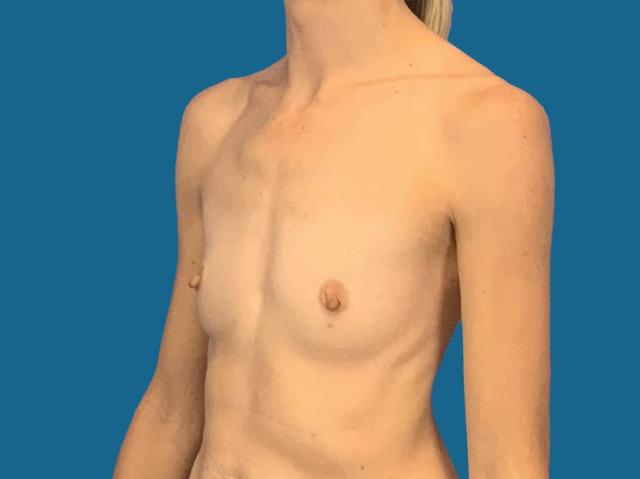 Before
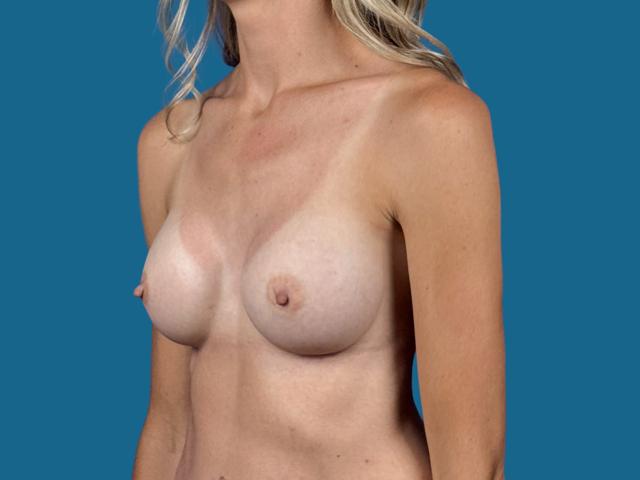 AfterDr. York Yates Plastic SurgeryLayton, UTPractice-published
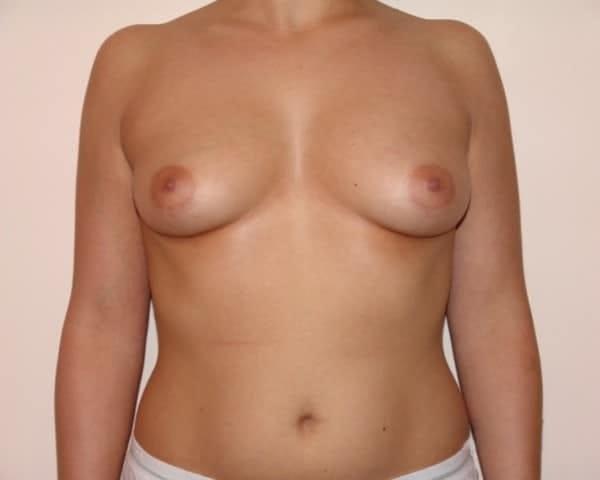 Before
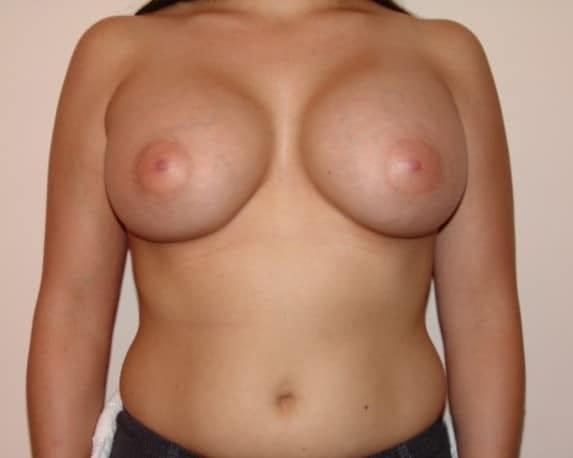 AfterCascade Cosmetic Surgery CenterOrem, UTPractice-published
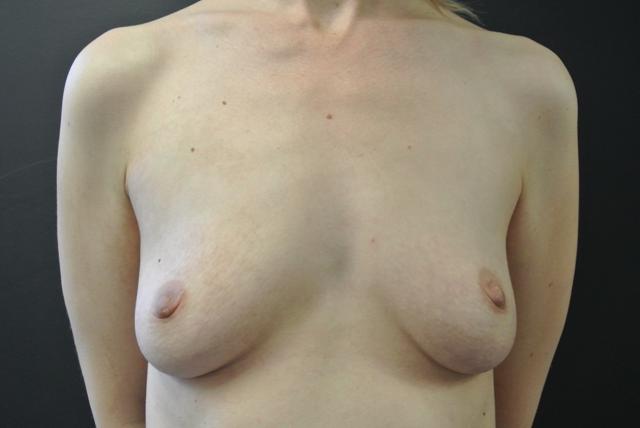 Before
 AfterJune S. Chen, M.D., P.C.Salt Lake City, UTPractice-published
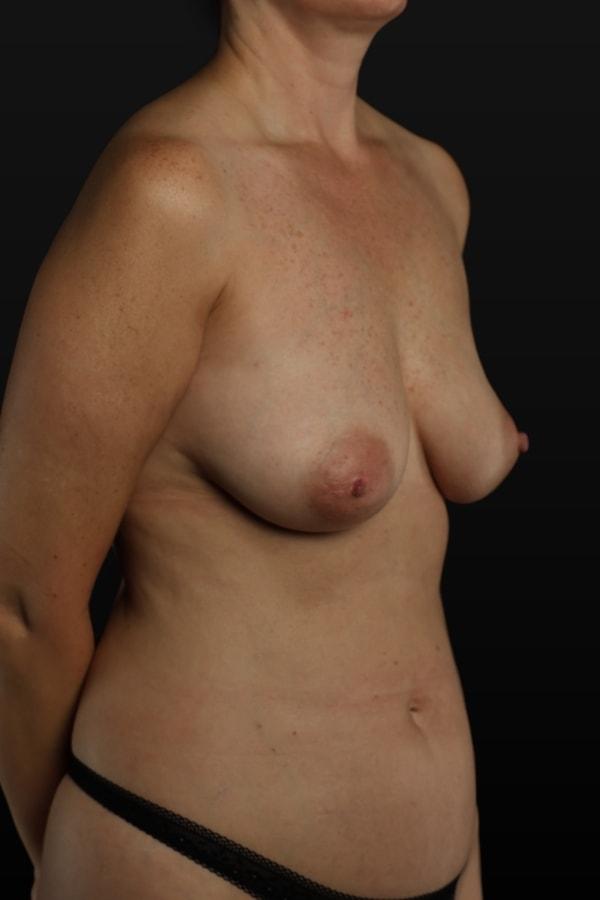 Before
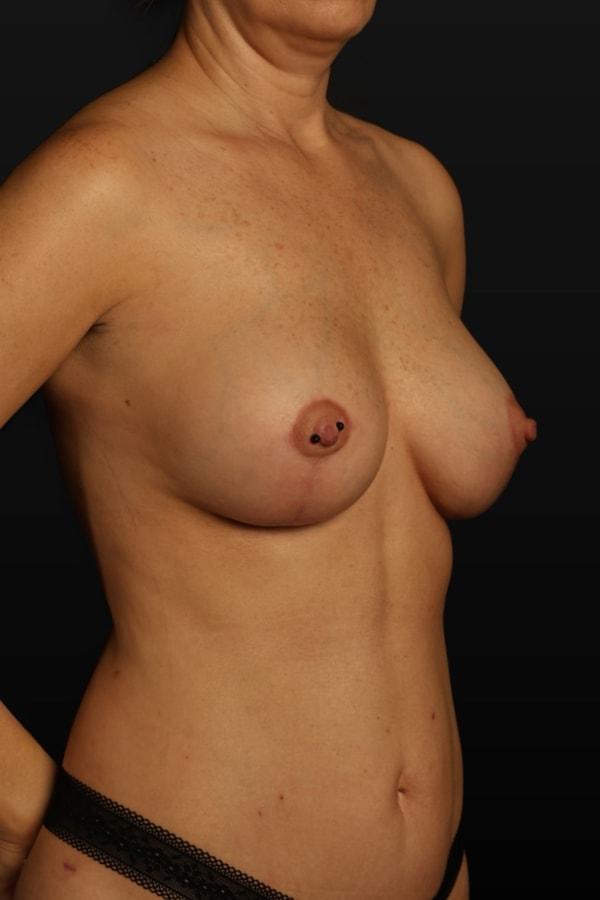 AfterGarlick Plastic SurgeryDraper, UTPractice-published
 ResultSelarom Plastic SurgerySalt Lake City, UTPractice-published
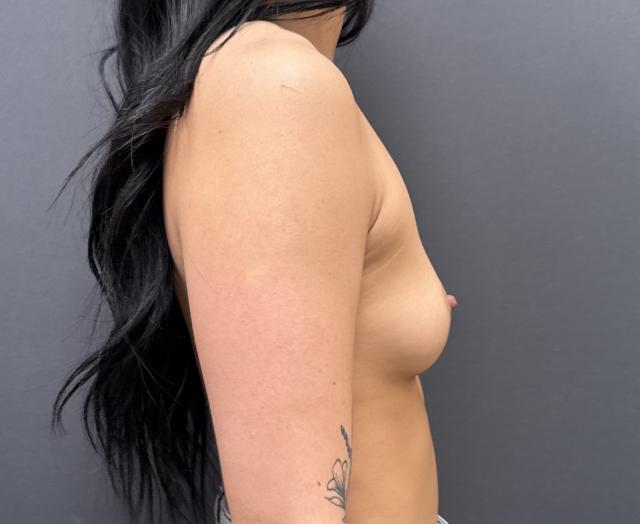 Before
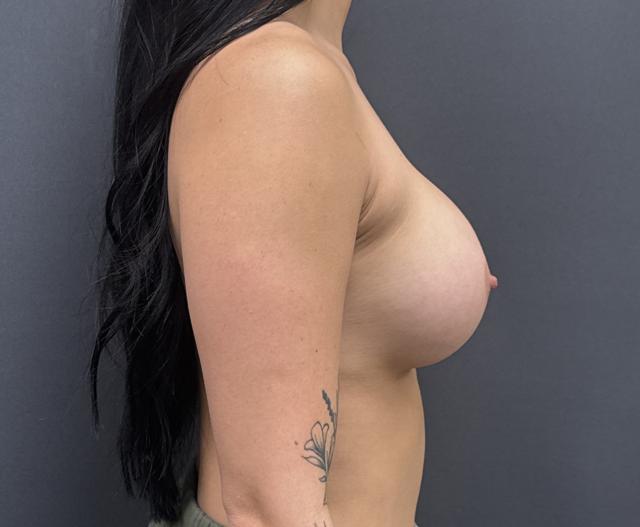 AfterAlpine Plastic SurgeryOgden, UTPractice-published
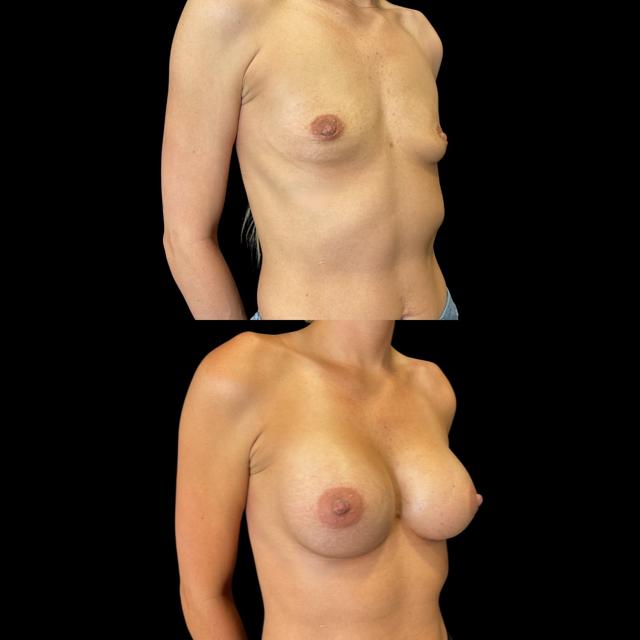 ResultReal You Plastic SurgeryAmerican Fork, UTPractice-published
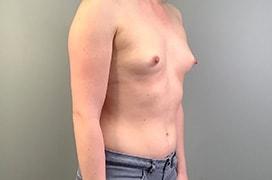 Before
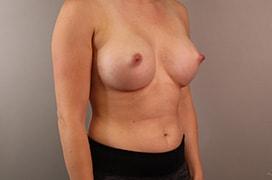 AfterUtah Cosmetic SurgeryMurray, UTPractice-published
 Before
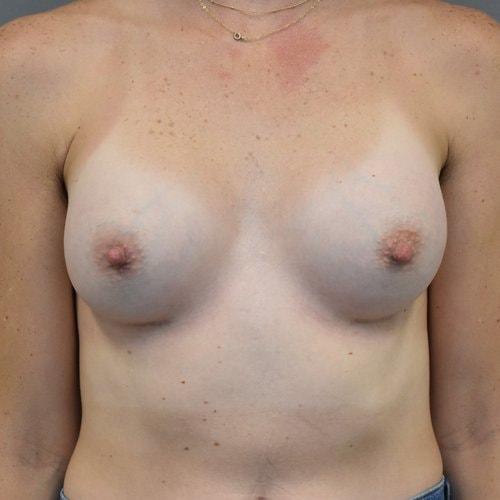 AfterMD MarionLehi, UTPractice-published
 ResultJohn L Clayton MDCottonwood Heights, UTPractice-published
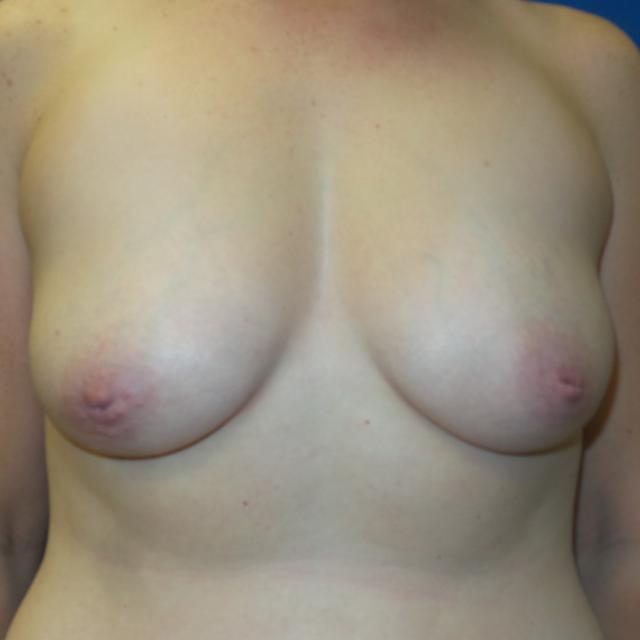 Before
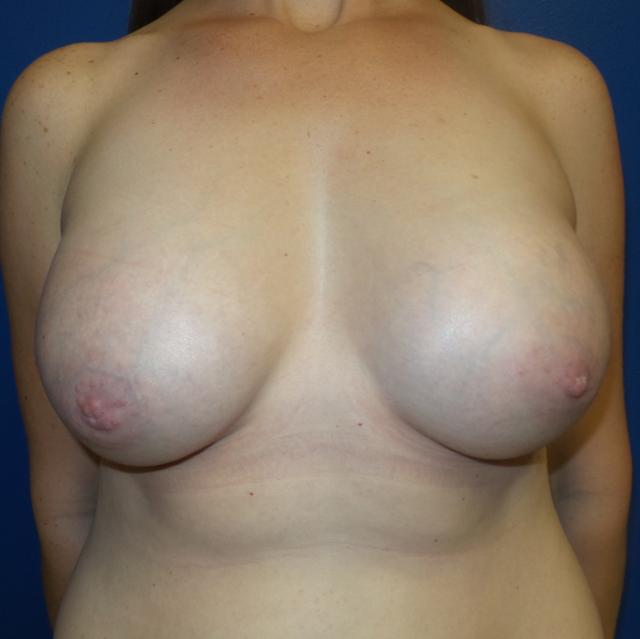 AfterPlastic Surgeon Richard FryerDraper, UT
Breast Augmentation by City in Utah
Find surgeons with published results across Utah.
How we rank — in 30 seconds
Afters organizes published results using documented relevance, completeness, recency, interest, and practice diversity signals. It does not score clinical quality or independently verify every credential, consent record, image, or outcome. Full methodology →
Breast Augmentation Surgeons in Utah
Profiles of participating surgeons for breast augmentation in Utah. Confirm each clinician’s credentials independently. Ordered by how many breast augmentation results each practice has published on Afters.
The Rose Clinic
Orem, UT
513 breast augmentation results published on Afters
Plastic surgery practice and medical spa in Orem, with its own surgery center on site.
Vincent Surgical Arts
Cottonwood Heights, UT
102 breast augmentation results published on Afters
Cosmetic surgery and medspa in Cottonwood Heights, Utah
22 Plastic Surgery & Spa MD
Cottonwood Heights, UT
101 breast augmentation results published on Afters
Personalized cosmetic surgery in Cottonwood Heights, UT
Aesthetica Plastic Surgery
Lindon, UT
101 breast augmentation results published on Afters
Plastic surgery in Lindon, Utah with Dr. Kimball Crofts and Dr. Daniel Curiel, for the breast, body, face and skin.
Watterson Plastic Surgery
Draper, UT
84 breast augmentation results published on Afters
Plastic surgery in Draper, Utah with Dr. Paul A. Watterson
Envision Cosmetic Surgery
Murray, UT
74 breast augmentation results published on Afters
Cosmetic surgery and medical spa in Murray, Utah
Plastic Surgeon Richard Fryer
Draper, UT
73 breast augmentation results published on Afters
Breast and body plastic surgery in Draper, Utah
PEAK PLASTIC SURGERY
Draper, UT
49 breast augmentation results published on Afters
Plastic surgery of the breast, body and face in Draper, Utah
Utah Cosmetic Surgery
Murray, UT
41 breast augmentation results published on Afters
Plastic surgery and medical spa in Murray, Utah, serving the Salt Lake City area
Garlick Plastic Surgery
Draper, UT
39 breast augmentation results published on Afters
Aesthetic plastic surgery of the face, breast and body in Draper, Utah
Dr. York Yates Plastic Surgery
Layton, UT
38 breast augmentation results published on Afters
Board-certified plastic surgeon in Layton, Utah, focused on breast and body surgery
John L Clayton MD
Cottonwood Heights, UT
26 breast augmentation results published on Afters

Brzowski Plastic Surgery
Ogden, UT
21 breast augmentation results published on Afters
Plastic surgery of the breast, body and face in Ogden, Utah, with an accredited on-site surgical center.
Alpine Plastic Surgery
Ogden, UT
14 breast augmentation results published on Afters
Plastic surgery in Ogden with Dr. Randall Barnett, in a Joint Commission-accredited surgical center.
Selarom Plastic Surgery
Salt Lake City, UT
13 breast augmentation results published on Afters
Plastic surgery and medical spa in Salt Lake City, led by Dr. Rodney Schmelzer.
Saltz Plastic Surgery & Saltz Spa Vitoria
Salt Lake City, UT
11 breast augmentation results published on Afters
Plastic surgery and medical spa in Salt Lake City and Park City, led by Dr. Renato Saltz.
Ashby Plastic Surgery & Aesthetics: Eric R Ashby MD
Layton, UT
10 breast augmentation results published on Afters
Angela Keen | Utah Aesthetic Surgery
Cottonwood Heights, UT
9 breast augmentation results published on Afters
Plastic surgery practice of Dr. Angela Keen in Cottonwood Heights
Cascade Cosmetic Surgery Center
Orem, UT
8 breast augmentation results published on Afters
Plastic surgery of the breast, body and face in Orem, with an on-site surgical center and med spa.
Jerry Chidester MD
Draper, UT
7 breast augmentation results published on Afters
June S. Chen, M.D., P.C.
Salt Lake City, UT
6 breast augmentation results published on Afters
Reconstructive and cosmetic plastic surgery in Salt Lake City
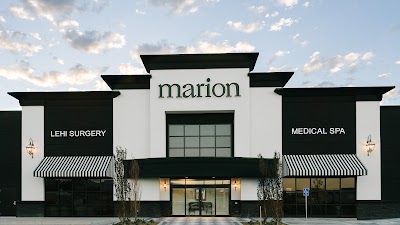
MD Marion
Lehi, UT
6 breast augmentation results published on Afters
Real You Plastic Surgery
American Fork, UT
4 breast augmentation results published on Afters
Plastic surgery and medical spa in American Fork, Utah
Dino Maglic MD
Draper, UT
2 breast augmentation results published on Afters
Board-certified plastic surgeon in Draper, Utah: face, breast and body surgery
Howland Plastic Surgery
Draper, UT
2 breast augmentation results published on Afters
Plastic and reconstructive surgery in Draper, led by Dr. Nicholas K. Howland

Ward MD Plastic Surgery
Salt Lake City, UT
2 breast augmentation results published on Afters
Facial plastic surgery and aesthetics in Salt Lake City
Cost: what breast augmentation actually costs in Utah
$6,500 – $12,000
Most women in Utah pay somewhere between $6,500 and $12,000, all in. Where you land inside that range comes down to a handful of choices:
- •Implant type and brand. Saline runs lower; silicone is the default for most patients; cohesive (“gummy bear”) and Motiva implants run higher.
- •Placement. Subglandular (over the muscle), submuscular (under), or dual-plane each carry slightly different surgical-time costs.
- •Surgeon fee. The largest single line item, and the one most worth paying up for. A 30% surgeon-fee difference between two surgeons can be the difference between a result that lasts 12 years and one that’s getting revised at year 4.
- •Facility and anesthesia. Accredited surgical center (AAAASF or AAAHC) with a board-certified anesthesiologist is non-negotiable. Some Utah practices quote a low base fee that excludes these — read the breakdown carefully.
- •Implants themselves. $1,000–$2,500 per pair depending on brand and warranty.
Recovery: real weeks, not marketing weeks
You’ll see “back to work in 5 days” on a lot of these pages. It’s true if you sit at a desk, and not really true for much else. Here’s what the weeks actually feel like, so you can plan real life around them:
The risks, honestly
Breast augmentation is one of the most-performed and most-studied procedures in the country, and for a healthy woman it’s generally very safe. But it’s still surgery, and you deserve the real picture before you decide. Here’s what’s actually worth understanding.
Capsular contracture
Your body forms a natural capsule around any implant. In a small share of cases that capsule tightens and hardens, which can change how the breast feels or looks. It’s the most common reason women come back for a revision, and an experienced surgeon plus good aftercare lower the odds.
Implants aren’t lifetime devices
Modern implants are durable, but they don’t last forever. Many women keep theirs 10 to 20 years; some need a revision sooner for a rupture, a size change, or simply how things settle over time. It’s smart to plan for the possibility of a future surgery.
Changes in sensation
Some change in nipple or skin sensation is common in the first few weeks and usually settles on its own. For a small number of women, a patch of numbness or extra sensitivity can linger. Your incision choice plays a role here, so talk it through before surgery.
Rare, but worth knowing
Bleeding, infection, and anesthesia problems are uncommon with a board-certified surgeon in an accredited facility. There are also rare implant-associated conditions (BIA-ALCL, and the cluster of symptoms some women call breast implant illness). A good surgeon will walk you through the current data openly rather than wave it off.
None of this is meant to scare you off. It’s meant to help you ask sharper questions. The single biggest thing you can do to lower your risk is choose a board-certified plastic surgeon who does this often and operates in an accredited surgical facility.
What to look for in a Utah breast augmentation surgeon
You don’t have to become an expert to choose well. You just need a few good questions. These four tell you most of what you need to know about whether a surgeon really does this — or just offers it:
Does she actually do a lot of breast augmentations?
There’s a real difference between a surgeon who does this all the time and one who offers it alongside twenty other things. The first kind usually does 100 or more a year; a generalist might do 20 or 40. Both can be great. But how often she does this exact procedure is the best sign your result will look like the photos. Ask her straight: how many did you do last year, and how often do you revise your own?
Will she show you women who look like you?
If every before-and-after is a slim, athletic 20-something, she either only operates on slim, athletic 20-somethings or only photographs the easy ones. Ask to see women who started where you’re starting, around the size you’re thinking about. If she can’t show you five, keep looking.
Does she push back when something won’t suit you?
The surgeon you want will talk you out of a size or implant that doesn’t fit your body, even if you walked in set on it. A surgeon who says yes to everything is looking after the booking, not you.
Is her revision policy in writing?
Every surgeon does revisions; it comes with the work. The honest ones will tell you their revision rate, what one costs, and when it’s covered. If you get a vague answer here, that’s your answer.
Browse Utah breast augmentation surgeons by metro
Practice-posted prices
What Utah practices post for breast augmentation
Each practice's own posted fee, checked October 16, 2026. Not a quote or an average.
Draper
peakplasticsurgery.com
Implant type not stated; Utah city/region price section; no explicit own fee tie. Server returned markdown.
Our pricing is transparent. There are no upsells or hidden fees. **03** the cost of a breast augmentation procedure ranges from $7,000-$10,000.
Fee basis: Fee basis not stated
Practice source · checkedLayton
yorkyates.com
Implant type not stated; Source heading differs from cost-page general total statement; clarify directly before displaying all-in.
Surgeons fees Saline or Silicone breast augmentation $10,000 – $11,000
Fee basis: Total as the practice describes it; Yates’s practice includes: The cost of the breast implants Anesthesia fees Facility fees Surgeons fees
Practice source · checkedLayton
yorkyates.com
Revision or exchange; Exchange/secondary, not primary.
Implant exchange or secondary augmentation $10,000 – $15,000
Fee basis: Total as the practice describes it; Yates’s practice includes: The cost of the breast implants Anesthesia fees Facility fees Surgeons fees
Practice source · checkedLayton
yorkyates.com
With liposuction or fat; Hybrid implants plus fat, not fat-only augmentation.
Hybrid Breast Augmentation (Implants + fat grafting, such as cleavage enhancement) $14,000 – $15,000
Fee basis: Total as the practice describes it; Yates’s practice includes: The cost of the breast implants Anesthesia fees Facility fees Surgeons fees
Practice source · checkedLayton
yorkyates.com
Revision or exchange; Exchange for capsular contracture.
Remove/ replace implants for capsular contracture $14,000 – $17,000
Fee basis: Total as the practice describes it; Yates’s practice includes: The cost of the breast implants Anesthesia fees Facility fees Surgeons fees
Practice source · checkedLayton
yorkyates.com
Implants with a lift
Breast lift with implants $16,000 – $18,000
Fee basis: Total as the practice describes it; Yates’s practice includes: The cost of the breast implants Anesthesia fees Facility fees Surgeons fees
Practice source · checkedLayton
yorkyates.com
With other procedures; Augmentation plus tummy tuck.
Mommy Makeover (Breast Augmentation + Tummy Tuck) $25,000 – $26,000
Fee basis: Fee basis not stated
Practice source · checkedLayton
yorkyates.com
With other procedures; Augmentation/lift/tummy tuck with optional liposuction; not bare augmentation.
Mommy Makeover (Breast Augmentation + Breast Lift + Tummy Tuck +/- Liposuction) $30,000 – $40,000
Fee basis: Fee basis not stated
Practice source · checkedLindon
croftsmd.com
Implant type not stated
Starting at (a floor)
The price for a breast augmentation starts at $6,000.
Fee basis: Total as the practice describes it; This price includes anesthesia, operating room facilities, and our surgeons fees.
Practice source · checkedMurray
envisionsurgery.com
Implant type not stated; Own homepage Quick Treatment Guide.
Starting at (a floor)
Breast Augmentation The breast augmentation procedure is the single most commonly performed cosmetic surgery in the country. Pricing: Starting at $7,500
Fee basis: Fee basis not stated
Practice source · checkedSalt Lake City
healthcare.utah.edu
Saline implants
Saline Implants $6,550*
Fee basis: Total as the practice describes it; Hospital or surgical facility fee Anesthesia Implants, other surgical supplies, and post-surgical garment Surgeon/provider fee
Practice source · checkedSalt Lake City
healthcare.utah.edu
Silicone implants
Silicone Implants $7,500*
Fee basis: Total as the practice describes it; Hospital or surgical facility fee Anesthesia Implants, other surgical supplies, and post-surgical garment Surgeon/provider fee
Practice source · checked
About Breast Augmentation in Utah
What is breast augmentation with implants?
Breast augmentation with implants adds breast volume using saline-filled or silicone gel-filled devices, according to ASPS and FDA guidance checked October 16, 2026.
Utah 2026 Cost Guide
Itemized Utah pricing — what's included, what isn't, and how to read a quote
Breast augmentation recovery
Cleveland Clinic’s August 24, 2021 breast augmentation guide estimates about 6–8 weeks for full recovery, while the Aesthetic Society describes roughly 1–2 weeks of recovery without defining that as unrestricted activity.
Before & After Photos
Practice-published results; verify credentials independently
Frequently asked questions
Is it really cheaper here than in California or Las Vegas?
Usually, yes. Surgeon and facility fees in Utah tend to run about 10–25% below the coasts, and the training is right up there — a lot of Utah surgeons trained at the same programs. Here’s the trap, though: some women put that savings toward a better surgeon or a nicer implant, and some just grab the cheapest option they can find. The first choice tends to pay off. The second one tends to come back around.
Saline, silicone, or gummy bear — what’s right for me?
Most Utah surgeons will point you toward silicone or a cohesive “gummy bear” implant, because they feel the most like real tissue. Saline costs a little less and makes a rupture obvious right away, which some women like. The honest answer is that it depends on your body and your goals more than on any marketing. A good surgeon looks at how much breast tissue you’re starting with and tells you what will actually look and feel right on you.
How do I pick a size I won’t regret?
This is the one that keeps people up at night, and honestly, it deserves the worry. Going too big or too small is the thing women say they’d take back most. Here’s the reassuring part: that CC number everyone fixates on isn’t really what decides how you’ll look. Your frame does — how wide your breasts are, how much skin you’re working with, your proportions. A good surgeon has you try on sizers in a bra, or walks you through 3D imaging, and they’ll be straight that going under the muscle softens the look by about 25cc. If you bring in a number and your surgeon just nods along, push a little. You want someone planning for how you’ll feel at year five, not just getting you on the schedule.
Will I still be able to breastfeed if I’m not done having kids?
A lot of women here ask this, because a lot of women here aren’t done having babies yet. The good news first: most women breastfeed just fine after augmentation, and the implant itself doesn’t get into your milk. What matters is how it’s done — an incision under the breast, or going under the muscle, is gentler on the milk ducts and nerves than going around the nipple. So say it out loud at your consult (“I want to breastfeed someday”) and let it shape the plan. One honest caveat: pregnancy will change your breasts again regardless, implants or not.
How do I know a surgeon actually does a lot of these?
Just ask, plainly: “How many breast augmentations did you do last year, and how often do you end up revising your own?” Someone who does this all the time is usually north of 100 a year. A general plastic surgeon might do 20 or 40. Both can be wonderful — but those two numbers tell you more than any “top surgeon” badge ever will. And if the answer is vague, that’s an answer too.
What if they won’t show me many before-and-afters?
Take it as your cue to keep looking. The surgeons on this page made the list partly because they’ll show you the real range — different bodies, different sizes, not just the highlight reel. You can’t choose well from three cherry-picked photos, and a surgeon who only has three to show you is telling you something.
Are these surgeons paying to be on this list?
No. Nobody buys a spot here, buys their way above the honest picks, or pays for a “featured” tag. A practice can claim its profile and fill in details (free while we’re getting started in Utah), but claiming doesn’t move it up. If that ever changes, we’ll tell you right here, in writing, before it does.