Lip filler: Lip Filler: What Should I Know Before Getting It?
 Felipe LeeCo-founder, Afters · Updated October 18, 2026
What HA lip filler changes, how to read product labels and dose, and the injector and safety questions to ask before treatment.
- Treatment
- HA gelExact product and lip indication matter.
- Dose comparison
- 0.5 vs 1 mLVolume alone cannot promise a look.
- Decision
- Your goalsInclude the option of waiting.
What to know before lip filler
Start with the change you want. Read the product’s label, choose a clinician you can verify, and understand both correction and emergency plans.
 What is lip filler, and what does lip filler change?Lip filler adds hyaluronic-acid gel to increase lip fullness or address a named lip concern, according to FDA product labeling and Cleveland Clinic; it is a medical procedure with product-specific indications.
- Which lip filler products are FDA-approved for lips?FDA lip filler approvals are specific to the exact product and formulation, with age wording such as “over the age of 21” or “22 years of age or older”; an entire brand does not inherit a lip indication.
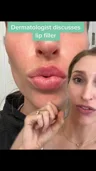 Should I get 0.5 mL or 1 mL of lip filler?Neither 0.5 mL nor 1 mL of lip filler is a proven universal first-timer dose: FDA trial labels describe individualized treatment, sometimes with later touch-up, rather than a promised look for either volume.
 Is Russian lip filler better than other techniques?No single lip filler technique, delivery instrument or HA formulation was superior in Aesthetic Surgery Journal Open Forum’s systematic technique review checked in October 2026; “Russian lips” is a practice-described approach, not an established safer or better result.
- How long does lip filler last after treatment?Lip filler duration depends on the product, endpoint and whether touch-up was included: FDA labels report outcomes from six-month correction through approximately one-year follow-up, with some recipients no longer meeting the measured response.
- Who can inject lip filler in Utah?Utah lip filler authority depends on the practitioner’s license, legal scope, competence and treatment arrangement; Utah’s statutes and rules do not make an RN title alone independent prescribing authority.
- Who can inject lip filler in other states?Lip filler delegation and supervision differ by state: Georgia’s nursing position requires an individualized order, while North Carolina’s position distinguishes RN from LPN onsite requirements.
- How do I choose a qualified lip filler injector?Choose a lip filler injector by verifying the individual’s state license, procedure training and complication plan, as FDA recommends, rather than treating a spa name or advertised credential as a ranking.
- Who should wait or avoid lip filler treatment?Lip filler should be deferred at sites with active inflammation or infection under Kysse labeling, while its safety during pregnancy and breastfeeding has not been established.
- What are common lip filler side effects and rates?Lip filler swelling, bruising and lumps were frequent solicited diary symptoms in FDA product trials: Kysse initial diaries recorded bruising in 157/183 people (85.8%) and lumps/bumps in 154/183 (84.2%).
- Are lip filler lumps or shadows always migration?Lip filler lumps are not automatically migration: the 2021 ASDS guideline separates inflammatory from noninflammatory nodules and calls for assessment of possible infection.
- Can lip filler block a blood vessel or cause necrosis?Lip filler can enter a blood vessel and cause vascular occlusion, tissue ischemia or necrosis, according to FDA warnings; no lip-only incidence is established by those warnings.
- Can lip filler cause vision loss or blindness?FDA warns that unintended intravascular lip filler injection can cause vision injury, and the 2025 AAO review of 198 reported filler-related vision-loss cases does not support saying the lip risk is zero.
- Can lip filler be dissolved with hyaluronidase?HA lip filler can be broken down with hyaluronidase, according to Cleveland Clinic, but FDA’s panel describes filler removal with this drug as off-label and outcomes are not certain.
 What should I look for in lip filler before and after photos?Lip filler before and after photos are most useful when the baseline concern, product, actual mL, additional treatments and follow-up time are stated; Cleveland Clinic’s roughly two-week appearance review is different from an immediate injection image.
- What questions should I ask before getting lip filler?Before lip filler, ask the clinician to name the product, explain the amount in mL, check your health history and describe the complication plan, consistent with FDA recommendations and the 2021 ASDS guideline.
Understand the treatment
What is lip filler, and what does lip filler change?
Lip filler adds hyaluronic-acid gel to increase lip fullness or address a named lip concern, according to FDA product labeling and Cleveland Clinic; it is a medical procedure with product-specific indications. HA binds water, while the amount, placement and your starting tissue affect the change. A lip flip uses botulinum toxin to change contour without adding HA volume.
Name the part of the lip you mean
The edge and central upper-lip peaks are different goals from filling the lip body. Point to the feature during the examination.
Lip fullness and wrinkles around the mouth have separate label indications. The drawing names landmarks; it does not prescribe placement.
Cleveland Clinic describes botulinum toxin changing the lip’s contour. It adds no HA gel volume. Read the Botox guides for that treatment.
Start by describing the part you want changed. The vermilion border is the lip’s edge; the body is the colored lip tissue. Cupid’s bow names the central upper-lip peaks, and the philtral columns lead toward the nose. These landmarks help you explain a concern; they do not establish a safe injection location. FDA approval applies to an exact product, tissue and indication. Approval for lines around the mouth does not automatically mean approval to enlarge the lips. This guide concerns temporary HA products, not permanent implants or injectable silicone. FDA has not approved injectable silicone for aesthetic tissue augmentation. Its education has no patient denominator for a promised change. The labels were checked October 17, 2026. You can ask for a noticeable change, a small change, restoration of earlier fullness or no treatment. A dermatologist’s preferred natural appearance in a video does not define your goal. Read the existing Botox procedure and recovery pages for the lip flip rather than treating its dose or duration as filler evidence.
“Which part of my lip concern could HA lip filler address, and which part calls for a different discussion?”
Understand the treatment
Which lip filler products are FDA-approved for lips?
FDA lip filler approvals are specific to the exact product and formulation, with age wording such as “over the age of 21” or “22 years of age or older”; an entire brand does not inherit a lip indication. The FDA records checked in October 2026 include the products below, including Belotero Intense (+) Lidocaine’s July 9, 2026 approval and the RHA Kiss Volume name change.
Read the exact product, site and age together
Read the product name on the box and patient label, then read across to the approved tissue and purpose. The clauses below preserve the FDA record’s age and indication language. Newer records matter. RHA 3 Mepi gained its lip indication on January 17, 2025, and its commercial name changed to RHA Kiss Volume in July 2026. It uses mepivacaine; original RHA 3 uses lidocaine. They are separate formulation records, but the Mepi lip brochure borrows the original RHA 3 long-term study. Counting Mepi and Kiss Volume as two additional independent year-long trials would misrepresent the evidence. Duration language also needs its context. “Up to” describes a ceiling, while a visible-effect percentage is a particular visit outcome. Neither is a date when every trace of material disappears. Where the corrected label claims do not establish a separate duration statement, the comparison says so instead of borrowing one. An approval record does not prove a product is currently marketed or available at that office.
“What is the exact lip filler product and formulation you propose, and can we read its lip indication, age wording and duration evidence together?”
Plan the change
Should I get 0.5 mL or 1 mL of lip filler?
Neither 0.5 mL nor 1 mL of lip filler is a proven universal first-timer dose: FDA trial labels describe individualized treatment, sometimes with later touch-up, rather than a promised look for either volume. In the Kysse study, median initial-plus-touch-up volume for both lips was 1.75 mL, with a 0.60–3.90 mL range. That study median is not a recommendation for you.
Measured volume cannot predict a face
The drawing compares measured liquid in identical containers. One container holds half the volume of the other; neither container is paired with a predicted lip shape. Ask the injector to explain the proposed amount in mL and the reason for each part of the plan. Packaging varies. Silk and RHA 3 records describe 1 mL syringes, while the current Lips+ manufacturer IFU describes both 1.0 mL and 1.2 mL presentations. “Half a syringe” therefore needs a stated fill size before it can be translated into volume. Volbella’s trial volume also includes nearby lines, so its median cannot be presented as a lip-only starting dose. Initial treatment, optional touch-up and repeat treatment are different visits. Belotero’s study median was 1.6 mL for initial plus touch-up, compared with approximately 0.9 mL for repeat lip treatment. Kysse’s current IFU specifies single-patient, single-session use. An opened syringe should not be offered as a label-supported product to save for a later session.
“Why are you proposing this actual mL amount for my lips, and what does the product label require for any unused material?”
Plan the change
Is Russian lip filler better than other techniques?
No single lip filler technique, delivery instrument or HA formulation was superior in Aesthetic Surgery Journal Open Forum’s systematic technique review checked in October 2026; “Russian lips” is a practice-described approach, not an established safer or better result. Cangello Plastic Surgery describes vertical rather than horizontal placement aimed at central height and a heart-shaped appearance. That description is not a prediction for your lips.
Separate a technique name from its evidence
Technique names can bundle several decisions. The injector still chooses the product, treatment areas, instrument and amount. Needles and cannulas also have different uses. The reviewed clinical literature describes precise-placement uses for needles and potential vascular-risk reduction with cannulas, while acknowledging injury can occur with both. The selected physician video describes her own instrument and numbing preferences. An uncontrolled cannula study of 60 subjects used mean total volume 2.2 mL across lips and optional nearby lines; it cannot prove superiority to needles or a one-syringe lip-only result. Anatomy classifications are tools for discussion, too. A New York report proposed 15 lip zones in 66 patients undergoing 137 treatments. Those 137 treatments were not 137 different people, and the scheme is not a universal injection map. Neither the landmark drawing nor a vertical-placement description should be used for self-injection.
“What does your named lip filler technique change in my plan, and what evidence supports choosing it for my anatomy?”
Plan the change
How long does lip filler last after treatment?
Lip filler duration depends on the product, endpoint and whether touch-up was included: FDA labels report outcomes from six-month correction through approximately one-year follow-up, with some recipients no longer meeting the measured response. Silk labeling records improved fullness in 121/160 at 24 weeks, while RHA 3 labeling records visible effect in 38/79 at one year. These are separate trials, not a comparison of which brand lasts longer.
Keep the endpoint attached to the clock
Kysse labeling expressly says remnants can remain in tissue after the clinical effect returns to baseline. Fading appearance is therefore not proof that every trace has gone, and visible fullness is not a test of how much gel remains. Trial clocks differ. Ultra XC allowed touch-up two weeks to one month after initial treatment. Volbella allowed a one-month touch-up, and its label describes effects through one year in a majority of subjects. Belotero followed its 220 treated participants, including 165 receiving Belotero, through 48 weeks after last treatment with optional touch-up. A statement based on that course cannot be sold as proof that one syringe at one visit lasts the same interval. The relevant labels were checked October 17, 2026. Reviews do not remove those distinctions. Czumbel’s 2021 meta-analysis used different study subsets for six- and twelve-month fullness response and rated evidence very low certainty. Products, geography and follow-up differed. Maintenance is a decision after reassessment, not a calendar obligation established by these trials.
“For this lip filler product, what does its duration claim measure and when would you reassess before proposing more?”
Choose the clinician
Who can inject lip filler in Utah?
Utah lip filler authority depends on the practitioner’s license, legal scope, competence and treatment arrangement; Utah’s statutes and rules do not make an RN title alone independent prescribing authority. The October 17, 2026 source check also identifies a specific dental pathway requiring an approved ten-hour dermal-filler course. Ask who examines you, who orders treatment and who actually injects.
Utah authority depends on role and setting
Utah’s medical and osteopathic acts define diagnosis and treatment for their license categories. The PA provisions tie practice and collaboration to education, experience and competence. APRN rules tie advanced practice to education and preparation. The APRN prescription-drug clause provides context, but HA filler is a prescription device, so that drug provision alone is not a complete filler-specific permission. The nursing rules deserve careful reading. Utah requires nurses to remain within law and individual competence. Its prohibition on RN/LPN issuing prescription drugs has legal exceptions; it does not turn a nursing credential into independent prescribing authority. The standing-order language in R156-31b-703b(2)(o) applies if an RN is employed by a department of health. Removing that setting condition would wrongly present the clause as a verified med-spa standing-order pathway. For dentists, the verified rule permits qualifying cosmetic filler in oral/maxillofacial areas, in the announced office during standard business hours. It requires an approved ten-hour course including live-patient hands-on work, infection control and risk factors, plus at least one hour of filler-specific continuing education within the renewal framework. An older eight-hour summary is not the rule retained here. Dental-hygiene assessment language excludes a treatment plan containing fillers; botulinum-toxin delegation does not establish delegated filler authority.
“Under which Utah lip filler license and treatment-order arrangement will you assess, prescribe or order, inject and manage complications for me?”
Choose the clinician
Who can inject lip filler in other states?
Lip filler delegation and supervision differ by state: Georgia’s nursing position requires an individualized order, while North Carolina’s position distinguishes RN from LPN onsite requirements. The ten jurisdiction examples below retain the conditions found in statutes, rules or board guidance checked October 17, 2026. They do not establish a nationwide “nurses can inject” rule.
Read the jurisdiction and source type
Ask about the law where the injection will occur. Some sources are enacted statutes or rules; others are a board FAQ, advisory opinion or position statement. Washington’s approved-purpose branch is particularly easy to overstate. It allows the physician off premises for FDA-approved products used for their approved purpose, with phone access and ability to respond within 30 minutes. That condition cannot simply be carried over to off-label use. Maryland’s onsite default is within its physician-directed cosmetic framework under COMAR 10.32.09.05, with specified PA agreement exceptions. It does not settle every independently practicing APRN situation. California’s consumer guidance and laser/Botox FAQ likewise do not provide a complete current analysis of autonomous NP pathways. Some apparently relevant rules answer a different question. Ohio’s filler entry in the exposure-prone invasive-procedure chapter concerns blood/body-fluid precautions, not a license for every nurse to inject. New Jersey’s enforcement release says cosmetology/skincare licensure does not authorize filler injection; it is not a complete RN-supervision code. The table therefore shows concrete source-supported conditions rather than converting general nursing definitions or enforcement examples into universal permission.
“Which current lip filler rule in this state governs your license, my assessment, the treatment order and emergency availability?”
Choose the clinician
How do I choose a qualified lip filler injector?
Choose a lip filler injector by verifying the individual’s state license, procedure training and complication plan, as FDA recommends, rather than treating a spa name or advertised credential as a ranking. FDA describes filler injection as a medical procedure, and the 2021 ASDS guideline emphasizes anatomy, informed consent and preparedness. No credential-based comparative patient denominator in this packet establishes a safest injector category.
Check the person who will actually inject
Record legal name and license category. Check the issuing state board rather than assuming spa branding or a medical director identifies your injector.
If a specialty board is claimed, record its exact name and verify the individual. Society membership and a short course are different credentials.
FDA recommends a trained, licensed provider experienced in dermatology or plastic surgery. ASDS emphasizes anatomy, consent and preparedness.
Get the name of the person who will perform the injection before booking. If the practice says board-certified, ask the exact organization and whose certification it means, then verify both the certification and state license. Society membership, academy affiliation and a short training certificate should not be silently renamed specialty board certification. The same care applies to professional titles; a doctoral nursing degree does not identify an MD. Ask who handles a problem when the injector is away, how urgently they assess new symptoms and what referral arrangements they have. The ASDS guideline’s warning that no protocol is risk-free makes the response plan part of the decision, even when the practice has extensive experience. Listening matters alongside credentials. They help establish whether this particular person is authorized, prepared and explaining a plan you understand.
“What are your exact lip filler credentials and training, and who will assess and treat me if a complication occurs after hours?”
Check your history
Who should wait or avoid lip filler treatment?
Lip filler should be deferred at sites with active inflammation or infection under Kysse labeling, while its safety during pregnancy and breastfeeding has not been established. Other contraindications and precautions differ by product, including severe allergy histories, bleeding conditions and anesthetic allergies. The FDA labels checked October 2026 provide no pregnancy cohort or universal safe waiting interval.
Bring your history before choosing a product
Tell the clinician about pregnancy or breastfeeding before selecting an appointment date. Belotero Intense (+) labeling says use in these groups has not been studied. An active cold sore, rash or infection also belongs in the pre-treatment discussion. Kysse, Silk and Belotero warn that previous herpetic eruptions or cold sores may recur. The Lips+ trial reported oral herpes in 1/80 Lips+ subjects and 2/78 controls among treatment-emergent events; this neither proves product causation nor estimates everyone’s cold-sore risk. Allergy screening follows the actual formulation. Kysse contraindicates specified severe allergy histories, bacterial-protein allergy and lidocaine or related amide-anesthetic allergy. RHA 3 Mepi/Kiss Volume uses mepivacaine rather than lidocaine. Silk includes bleeding disorders as a contraindication, and the historical Lips+ SSED includes latex allergy and anticoagulant or antiplatelet therapy. Bring a complete medication and procedure history, including immune-suppressing treatment, prior implants, filler and nearby skin procedures. Labels describe bleeding/bruising concerns with medicines that affect coagulation. The Restylane-L brochure includes discussion with the doctor about when to stop specified agents; this guide does not direct you to stop prescribed medicine yourself. Coordinate any change with the prescribing clinician.
“Does my health history, cold-sore history, medication list or the exact lip filler label mean we should postpone or change the plan?”
Understand the risks
What are common lip filler side effects and rates?
Lip filler swelling, bruising and lumps were frequent solicited diary symptoms in FDA product trials: Kysse initial diaries recorded bruising in 157/183 people (85.8%) and lumps/bumps in 154/183 (84.2%). These numbers describe reported early symptoms, not permanent migration or a serious-complication rate. The initial-diary denominator was 183, although 185 participants were assigned Kysse.
Read the diary denominator
A diary asking participants to record every swelling or tender spot is different from an investigator’s treatment-related adverse-event analysis. Kysse’s initial-plus-touch-up treatment-related event analysis used 39/185; it should not replace the much more frequent solicited symptoms or be called the overall chance of any reaction. The figure retains its 164 evaluable diary denominator alongside the 165 treated recipients. Swelling duration varies within a study. Among 165 Kysse swelling reporters, 36 reported 1–3 days, 61 reported 4–7 days, 46 reported 8–14 days and 22 reported 15–30 days. These bins total the people with swelling; they do not show how large their lips were on each day or establish a universal peak day. These FDA tables were checked October 17, 2026. Cleveland Clinic’s general education says swelling commonly resolves in 24–48 hours but can last up to a week, and suggests an appearance review around two weeks. Contact the treating clinician promptly about unexpected, worsening or persistent symptoms. For unusual pain, color change, vision symptoms or stroke signs, follow the immediate-care instructions in the vascular chapter rather than waiting for a routine review.
“Which lip filler reactions should I expect with this product, and how will you assess symptoms that persist or worsen?”
Understand the risks
Are lip filler lumps or shadows always migration?
Lip filler lumps are not automatically migration: the 2021 ASDS guideline separates inflammatory from noninflammatory nodules and calls for assessment of possible infection. FDA recognizes migration as a reported risk, but the corrected October 2026 packet provides no representative US lip-only migration rate. An early diary report of a bump cannot diagnose displaced filler or a delayed granuloma.
A bump is a symptom, not a diagnosis
Kysse initial diaries recorded lumps/bumps in 154/183. This does not count permanent displacement or granulomas.
The 2022 review selected people with reported nodules. It establishes that delayed reactions occur, without a denominator of everyone treated.
FDA reports movement of material as a risk. The packet establishes no representative US lip-only migration percentage.
ASDS 2021 distinguishes inflammatory and noninflammatory nodules and calls for assessment of possible infection. Contact your treating clinician promptly about a new or persistent lump.
A new lump, uneven edge or shadow needs a clinical assessment when it worries you. Do not use a reassuring photo reply as a diagnosis or start a massage or dissolving protocol from a social video. Contact the clinician promptly for new or persistent lumps; unusual pain or white, gray or blue skin needs immediate medical attention under FDA guidance. The evidence distinguishes several settings. Kysse diaries recorded lumps/bumps in 154/183 initial-treatment reporters, and Belotero’s upper-lip diaries recorded 119/164. The 2022 delayed-granuloma review selected reported complication cases and describes nodules appearing months to years after treatment. It has no denominator of everyone treated, so it cannot supply incidence or the chance of recurrence. The 2024 adverse-reaction review included 30 already-affected patients across materials, with an HA subset of 14, again without an all-treatment denominator. Reporting databases have the same denominator problem. An analysis found 524 lip-related reports among 1,748 MAUDE adverse-event reports from 2014–2016. That is a share of reports, not the percentage of patients who develop complications.
“What diagnosis explains this lip filler lump or shadow, and what findings would change whether you observe, investigate or treat it?”
Understand the risks
Can lip filler block a blood vessel or cause necrosis?
Lip filler can enter a blood vessel and cause vascular occlusion, tissue ischemia or necrosis, according to FDA warnings; no lip-only incidence is established by those warnings. A US retrospective survey of 370 dermatologists covering approximately 1.7 million filler syringes reported one occlusion per 6,410 needle and 40,882 cannula 1-mL syringes across facial sites. Those figures are not your personal lip-filler odds.
Know the symptoms and the action
- FDA says seek immediate medical attention
Unusual pain, vision changes, white, gray or blue skin near the injection site, or signs of stroke during or shortly after treatment. Tell the treating clinician immediately; do not wait for a routine review.
- Severe allergic reaction
FDA says severe allergic reaction requires immediate emergency medical assistance.
- Ask before treatment
Who recognizes vascular compromise, what is available onsite, and how is emergency referral arranged? The 2021 ASDS guideline says no injection protocol is risk-free.
The labial arteries supply the lips. The drawing shows the relationship schematically so you can understand why anatomy and recognition of injury matter. Vessel courses vary, and the drawing is not a safe-depth chart, a placement map or an instruction for injection. The 2021 ASDS guideline says no injection protocol is risk-free. The JAMA Dermatology survey collected data from August 2018 to August 2019 and was retrospective and self-reported, involving selected US board-certified dermatologists rather than a representative sample of every injector and every lip treatment. It included facial sites and mixed filler materials. Both needles and cannulas had reported occlusions. Its association between instrument and events was not a randomized comparison that proves the instrument caused the difference. The survey and FDA warnings were checked in October 2026. FDA says seek immediate medical attention for unusual pain, vision changes, white, gray or blue skin near the injection site, or stroke symptoms during or shortly after treatment. Tell the treating clinician immediately, and do not wait for a scheduled follow-up. FDA also describes severe allergic reaction as requiring immediate emergency medical assistance. Having hyaluronidase available does not establish that every vascular injury will resolve or that vision can reliably be restored.
“What is your lip filler vascular-complication plan, including immediate recognition, onsite response and emergency referral?”
Understand the risks
Can lip filler cause vision loss or blindness?
FDA warns that unintended intravascular lip filler injection can cause vision injury, and the 2025 AAO review of 198 reported filler-related vision-loss cases does not support saying the lip risk is zero. The review lists one lip injection site among 226 sites, with some cases involving several sites. This is neither an isolated-lip incidence estimate nor a denominator of all treated patients.
Reported injuries cannot supply your odds
What the evidence establishes
- A lip site was among 226 injection sites in 198 cases; some cases involved multiple sites.
- There is no denominator of all injected patients, and no established isolated-lip incidence.
- AAO says treatments were usually ineffective and no evidence-based management protocol has been established.
The AAO review included 19 articles, all level III evidence. Those articles were selected because they described injury, so dividing their cases by the number of articles or injection sites would not estimate the risk of getting filler. The lip-site entry also does not establish that a single isolated lip injection caused that case. Among 196 cases with immediate and final vision described, 137 were unchanged, 56 improved and three worsened. These outcomes concern reported injuries, not success rates for one treatment protocol. AAO says treatments were usually ineffective at reversing vision loss and that no evidence-based management protocol has been established. The 2021 ASDS guideline describes conditional clinical approaches with low-certainty evidence. The two sources differ in approach without demonstrating a reliable cure. A 2021 supporting systematic review included 182 studies and judged most treatment evidence very low certainty because studies were small and noncomparative. Enzymatic breakdown of HA is not proof that established visual damage can be reversed. FDA says seek immediate medical attention for vision changes during or shortly after filler treatment. Tell the clinician immediately; this is not a symptom to photograph and wait on.
“How will your team recognize and escalate a lip filler vision symptom immediately, and what uncertainty will you explain before consent?”
Understand correction
Can lip filler be dissolved with hyaluronidase?
HA lip filler can be broken down with hyaluronidase, according to Cleveland Clinic, but FDA’s panel describes filler removal with this drug as off-label and outcomes are not certain. Hylenex’s listed approved indications do not include elective filler dissolving. Hyaluronidase can also break down native HA, so removal is a separate medical decision with its own risks.
HA removal has its own risks and limits
Cleveland Clinic describes hyaluronidase breaking down HA filler and native HA. Silicone and other non-HA materials do not dissolve the same way.
FDA’s panel calls filler removal off-label. Hylenex drug approval does not include elective filler dissolving among its listed indications.
Cleveland describes up to two weeks for final appearance and sometimes multiple visits. It says thinning may be temporary, without establishing a permanent-damage rate or certain recovery.
FDA’s panel records 83 filler-use hyaluronidase adverse-event reports since 2011. There is no denominator of all dissolving treatments, so this is not a complication percentage.
The reason for removal matters. Emergency vascular treatment is different from an elective correction for fullness, a lump or an unwanted appearance. Cleveland describes one or two visits in many cases, with additional sessions possible for large amounts or nodules. It describes up to two weeks to see full results and says thinning may be temporary because the body usually replaces native HA. Its recommendation to wait at least fourteen days before adding filler is attributed education; the packet found no controlled US lip-specific trial establishing that interval for everyone. Hylenex contraindicates known hypersensitivity to hyaluronidase or its excipients and warns about spreading localized infection. Cleveland’s categorical bee-venom statement differs from formulation-specific cautions in the clinical literature, so a clinician must assess the actual formulation and history. The label’s rare anaphylactic-like reports followed retrobulbar block or intravenous injections; those route-specific reports are not an elective lip-dissolving complication rate. Cleveland advises emergency care for severe allergic-reaction signs after dissolving. FDA’s panel recorded 83 hyaluronidase-related filler-use adverse-event reports since 2011, including lack of effect and volume loss. There is no all-treatment denominator to convert those reports into a percentage. A randomized low-dose study involved nine women and 72 experimental upper-arm sites, not representative lip treatment. It cannot supply a lip dose.
“If I need lip filler correction, what diagnosis, hyaluronidase formulation, risks, visit plan and separate charges would you discuss first?”
Make your decision
What should I look for in lip filler before and after photos?
Lip filler before and after photos are most useful when the baseline concern, product, actual mL, additional treatments and follow-up time are stated; Cleveland Clinic’s roughly two-week appearance review is different from an immediate injection image. Browse the Afters lip filler photo gallery, then ask the injector to explain comparable cases. A selected image or testimonial cannot predict your result.
Make the comparison useful
Look for similar baseline lip shape and the feature you want changed. A 22-woman Chicago study of Fitzpatrick V or VI skin supports discussing individual preferences rather than assuming one ideal.
Cleveland suggests a roughly two-week appearance review. An immediate injection photo includes treatment effects and is not a settled-duration endpoint.
Product, actual mL, earlier filler, touch-up and concurrent Botox can change what a comparison means. A full syringe is not automatically 1 mL.
Use photos to explain what you notice rather than to request someone else’s anatomy. Compare the border, body, profile and appearance with movement. Ask whether makeup, lip position, camera angle and lighting differ. Individual goals differ. A Chicago study of 22 women with Fitzpatrick V or VI skin found changes in self-assessed fullness and emphasized understanding personal preferences. Its small sample cannot prescribe an ideal lip shape or dose for everyone with a particular skin type. Likewise, Samantha Ellis’s selected self-case video describes her goal during partial treatment, rather than a controlled, settled comparison. The Austin practice-selected patient account describes satisfaction at about three months after one full syringe, but names neither the product nor the actual mL. These sources were checked October 2026. Prior filler also matters. Ask whether the comparison includes touch-up, treatment of nearby lines or a concurrent lip flip. Kysse labeling notes material remnants may remain after the visible effect returns to baseline, so a photograph alone cannot confirm an empty starting point.
“Can you show me dated lip filler cases with a similar starting concern and explain the product, actual mL and any other treatment?”
Make your decision
What questions should I ask before getting lip filler?
Before lip filler, ask the clinician to name the product, explain the amount in mL, check your health history and describe the complication plan, consistent with FDA recommendations and the 2021 ASDS guideline. Save those answers alongside the injector’s license and follow-up contact. A decision to wait or choose no filler can remain part of the consultation.
Bring this plan to the consultation
Start with your own goal and the part you are least willing to change. Bring the information that could change the plan. Include prior product names, approximate treatment dates, any dissolving, cold-sore history, pregnancy or breastfeeding, medicines and allergies. Kysse’s single-patient, single-session instruction also makes it useful to ask what happens to unused material before discussing a later touch-up. Ask for a written quote that states actual dose and what follow-up includes. Keep correction, elective dissolving and emergency assessment distinct rather than assuming a free review covers every intervention. The cost guide handles posted price scopes, and the recovery guide handles aftercare instructions. Cleveland’s roughly two-week appearance review, checked with the other sources in October 2026, is an educational follow-up point, not a deadline for reporting a concerning symptom. Save the contact route before leaving, and ask how it works when the office is closed.
“Can you write down my lip filler plan, its limits, the follow-up and emergency contacts, and the separate correction policy before I decide?”
My lip filler consultation questions
Save the questions that matter to your decision and bring them to the clinician assessing you.
Nothing saved yet. Tap Save to my list under any question.
Keep the exact product, actual mL and follow-up contact with your answers.
Near you
Practices that publish lip filler results, and lip filler pages for the cities and states Afters covers.
Make the plan specific to your lips
Bring your goals, previous treatment details and saved questions to a consultation before deciding.
How this lip filler guide was built
Labels and rules checked October 17, 2026; product-name and media handoff October 18, 2026. Corrected claims supply the clinical and legal answers. Product trials, diary symptoms, retrospective surveys and selected complication reports retain their own populations and endpoints.
Patient questions shaped the outline
The voices packet indexes 119 sources and 26 observed question groups. It certifies zero complete original comment trees; its substantive coverage targets were not met. Source portions shaped questions about amount, appearance, migration, correction and listening. They do not measure prevalence, search volume or satisfaction. Vascular and vision chapters are safety-essential additions.
Labels stay product-specific
FDA lip indication and age clauses are preserved. Duration wording remains attached to the label or trial endpoint, including optional touch-up and visit denominators. RHA 3 Mepi and Kiss Volume are one formulation/alias; their bridged original-RHA results are not additional independent cohorts. No prices are pooled here.
Credentials and legal limits
Jurisdiction sources are identified as statutes, rules, advisories or board guidance. General drug or nursing scope does not establish complete prescription-device authority. Website credentials are statements to verify for the assigned injector, not comparative safety evidence.
Video accounts
Only uploaded KEEP selections enter the stage, chapter sources and method. The four selected clips include clinician opinions, a partial self-case and a practice-selected testimonial. Research screening and suggested poster times do not establish rehosting permission or continuous human audiovisual clearance. Publishing review remains with the lead.
Sources
- FDA-Approved Dermal Fillers | FDAFDA · Accessed Oct 17, 2026
- The lip flip: a systematic review of botulinum toxin lip augmentation.Archives of dermatological research · 2025
- Lip Fillers: What to Expect, Types, Benefits & Side EffectsCleveland Clinic · Accessed Oct 17, 2026
- Lip Flip: What It Is, Botox®, Results & PrecautionsCleveland Clinic · Accessed Oct 17, 2026
- Restylane Kysse — Patient Information (P140029S021D)FDA · Accessed Oct 17, 2026
- Dermal Filler Do’s and Don’ts for Wrinkles, Lips and More | FDAFDA · Accessed Oct 17, 2026
- Lip filler candidacy: drbullockdermTikTok · @drbullockderm · Aug 16, 2026
- Restylane Kysse — Summary of Safety and Effectiveness Data (P140029S021B)FDA · Accessed Oct 17, 2026
- Restylane Silk — Summary of Safety and Effectiveness Data (P040024S072B)FDA · Accessed Oct 17, 2026
- Restylane — Summary of Safety and Effectiveness Data (P040024S051B)FDA · Accessed Oct 17, 2026
- Restylane-L — Summary of Safety and Effectiveness Data (P040024S056B)FDA · Accessed Oct 17, 2026
- JUVÉDERM VOLBELLA XC — Summary of Safety and Effectiveness Data (P110033S018B)FDA · Accessed Oct 17, 2026
- JUVÉDERM Ultra XC — Summary of Safety and Effectiveness Data (P050047S044B)FDA · Accessed Oct 17, 2026
- Revanesse Lips+ — Summary of Safety and Effectiveness Data (P160042S010B)FDA · Accessed Oct 17, 2026
- RHA 3 — Summary of Safety and Effectiveness Data (P170002S030B)FDA · Accessed Oct 17, 2026
- Restylane Kysse — Professional Labeling (P140029S021C)FDA · Accessed Oct 17, 2026
- Restylane Silk — Patient Information (P040024S072D)FDA · Accessed Oct 17, 2026
- JUVÉDERM Ultra XC — Patient Information (P050047S044C)FDA · Accessed Oct 17, 2026
- JUVÉDERM VOLBELLA XC — Patient Information (P110033S018C)FDA · Accessed Oct 17, 2026
- Revanesse Lips+ — Patient Information (P160042S010D)FDA · Accessed Oct 17, 2026
- RHA 3 — Patient Information (P170002S030D)FDA · Accessed Oct 17, 2026
- A Randomized, Controlled, Evaluator-Blinded, Multi-Center Study of Hyaluronic Acid Filler Effectiveness and Safety in Lip Fullness Augmentation.Dermatologic surgery : official publication for American Society for Dermatologic Surgery [et al.] · 2021
- Restylane — Professional Labeling (P040024S051C)FDA · Accessed Oct 17, 2026
- Restylane-L — Professional Labeling (P040024S056C)FDA · Accessed Oct 17, 2026
- Belotero Intense (+) Lidocaine — Summary of Safety and Effectiveness Data (P250016B)FDA · Accessed Oct 17, 2026
- A randomized, evaluator-blinded, controlled study of the effectiveness and safety of small gel particle hyaluronic acid for lip augmentation.Dermatologic surgery : official publication for American Society for Dermatologic Surgery [et al.] · 2012
- Premarket Approval (PMA)FDA · Accessed Oct 17, 2026
- Belotero Intense (+) Lidocaine — Patient Information (P250016C)FDA · Accessed Oct 17, 2026
- Premarket Approval (PMA)FDA · Accessed Oct 17, 2026
- RHA Kiss Volume — PMA supplement P170002/S055FDA · Accessed Oct 17, 2026
- TEOXANE patient-labeling collection — RHA 3 Mepi for Lip Augmentation sectionTeoxane · Accessed Oct 17, 2026
- kysse_currentifuGalderma · Accessed Oct 17, 2026
- current_lipsifuProllenium · Accessed Oct 17, 2026
- Lip filler candidacy: drsamanthaellisTikTok · @drsamanthaellis · Jul 16, 2022
- A Multi-Center, Open-Label, Prospective Study of Cannula Injection of Small-Particle Hyaluronic Acid Plus Lidocaine (SPHAL) for Lip Augmentation.Journal of drugs in dermatology : JDD · 2018
- A new classification of lip zones to customize injectable lip augmentation.Archives of facial plastic surgery · 2008
- Areas of High Risk and High Reward: Temple, Nose, Lip, and Jawline Filler.Dermatologic surgery : official publication for American Society for Dermatologic Surgery [et al.] · 2026
- Hyaluronic Acid Injection Techniques for Lip Augmentation-Comparison of Linear, Retrograde, and Microdeposit Approaches: A Systematic Review.Aesthetic surgery journal. Open forum · 2026
- Lip Augmentation NYCCangello Plastic Surgery · Accessed Oct 17, 2026
- A Multi-Center, Open-Label, Prospective Study of Cannula Injection of Small-Particle Hyaluronic Acid Plus Lidocaine (SPHAL) for Lip Augmentation - JDDonline - Journal of Drugs in DermatologyJournal of Drugs in Dermatology · 2018
- Lip filler candidacy: jenniferarmstrongmdTikTok · @jenniferarmstrongmd · Aug 24, 2025
- Safety and Effectiveness of the Hyaluronic Acid Filler, HYC-24L, for Lip and Perioral Augmentation.Dermatologic surgery : official publication for American Society for Dermatologic Surgery [et al.] · 2015
- Hyaluronic Acid Is an Effective Dermal Filler for Lip Augmentation: A Meta-AnalysisFrontiers in Surgery · 2021
- Utah Code Section 58-31b-801Utah Legislature · Accessed Oct 17, 2026
- 58-70a-102Utah Legislature · Accessed Oct 17, 2026
- Utah Code Section 58-70a-501Utah Legislature · Accessed Oct 17, 2026
- Utah Code Section 58-67-102Utah Legislature · Accessed Oct 17, 2026
- Utah Code Section 58-68-102Utah Legislature · Accessed Oct 17, 2026
- Nurse Practice Act Rule R156-31bUtah Office of Administrative Rules · Accessed Oct 17, 2026
- Utah Code Section 58-31b-803Utah Legislature · Accessed Oct 17, 2026
- Utah Office of Administrative RulesUtah Office of Administrative Rules · Accessed Oct 17, 2026
- Medical Spas | Medical Board of California - CA.govCA government · Accessed Oct 17, 2026
- Cosmetic treatments FAQsMedical Board of California · Accessed Oct 17, 2026
- 312. What kind of license or training do I need to offer Med Spa services ...TX government · Accessed Oct 17, 2026
- [PDF] Cosmetic/Aesthetic Procedures - Georgia Secretary of StateGA government · Accessed Oct 17, 2026
- [PDF] NCBON | Cosmetic/Aesthetic Dermatological ProceduresNC government · Accessed Oct 17, 2026
- rule_NVpdfNevada Board of Nursing · Accessed Oct 17, 2026
- WAC 246-919-606: Washington legislature · Accessed Oct 17, 2026
- AO Medical Aesthetic Procedures Performed By Licensed Nurses, Licensed Cosmetologist, Licensed Aestheticians And Certified Laser Technologists AZ government · Accessed Oct 17, 2026
- Chapter 368ll - Miscellaneous ProvisionsConnecticut General Assembly · Accessed Oct 17, 2026
- .03 Physician Qualifications. | Library of Maryland RegulationsMaryland Division of State Documents · Accessed Oct 17, 2026
- Massachusetts Board of Registration in NursingMassachusetts Board of Registration in Nursing · Accessed Oct 17, 2026
- Rule 4731-17-01 - Ohio Administrative Code | Ohio LawsOhio Laws · Accessed Oct 17, 2026
- New Jersey Division of Consumer Affairs Press ReleaseNJ government · Accessed Oct 17, 2026
- Preventing and Treating Adverse Events of Injectable Fillers: Evidence-Based Recommendations From the American Society for Dermatologic Surgery Multidisciplinary Task ForceASDS / Dermatologic Surgery · 2021
- A Systematic Review Supporting the American Society for Dermatologic Surgery Guidelines on the Prevention and Treatment of Adverse Events of Injectable FillersDermatologic Surgery / PubMed · 2021
- Restylane Silk — Professional Labeling (P040024S072C)FDA · Accessed Oct 17, 2026
- Dermal Fillers (Soft Tissue Fillers) | FDAFDA · Accessed Oct 17, 2026
- Belotero Intense (+) Lidocaine — Directions for Use (P250016D)FDA · Accessed Oct 17, 2026
- A Cross-sectional Analysis of Adverse Events and Litigation for Injectable Fillers.JAMA facial plastic surgery · 2018
- Granulomatous Reaction to Lip Filler in a Patient with Ankylosing Spondylitis: A Case Report.Cureus · 2024
- From Bruising to Blindness: A Practical Guide to Identifying and Managing Hyaluronic Acid Filler Complications.Dermatologic surgery : official publication for American Society for Dermatologic Surgery [et al.] · 2026
- Delayed Granulomas as a Complication Secondary to Lip Augmentation with Dermal Fillers: A Systematic ReviewThe Surgery Journal · 2022
- Aesthetic lip filler augmentation is not free of adverse reactions: lack of evidence-based practice from a systematic reviewFrontiers in Oral Health · 2024
- Rates of Vascular Occlusion Associated With Using Needles vs Cannulas for Filler Injection.JAMA dermatology · 2021
- Vision-Threatening Complications of Soft Tissue Fillers: A Report by the American Academy of Ophthalmology.Ophthalmology · 2025
- Dissolving Lip FillerCleveland Clinic · Accessed Oct 17, 2026
- DailyMed - HYLENEX RECOMBINANT- hyaluronidase injection, solution DailyMed / Antares Pharma · Accessed Oct 17, 2026
- Effectiveness of Low Doses of Hyaluronidase to Remove Hyaluronic Acid Filler Nodules: A Randomized Clinical Trial.JAMA dermatology · 2018
- fda_panelFDA · Accessed Oct 17, 2026
- Lip Augmentation in Patients with Fitzpatrick Skin Type V and VI: Use of a Validated Lip Fullness Scale and Determining Pre-injection Lip Size Preference and Post-injection Patient Satisfaction.Facial plastic surgery & aesthetic medicine · 2025
- Lip filler result: Austin FaceDocYouTube/Austin FaceDoc · 2016