Before cosmetic dental treatment: Smile Makeover: What Does It Include?
 Felipe LeeCo-founder, Afters · Updated October 18, 2026
A smile makeover combines treatments chosen for your teeth, gums and goals. Learn what whitening, bonding, crowns, alignment and gum treatment can contribute, when veneers belong in the plan and why disease care comes first. Compare the proposed sequence, digital design, provider credentials and maintenance before you commit.
- What you’re choosing
- A tailored bundleUniversity of Rochester and SmileArt Utah
- How to compare plans
- Component by componentSeparate treatment need, timing and care
- Beyond the final visit
- Ongoing careACP maintenance guidance
Questions before a smile makeover
Begin with your concerns and dental health. Then compare the components, treatment order, design choices and continuing care. Each chapter gives you one question to save for your dentist or treating surgeon.
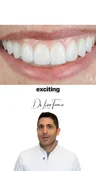 What is a smile makeover, and what does it include?A smile makeover is a coordinated combination of dental treatments chosen for your appearance and oral needs, according to the University of Rochester and SmileArt Utah.
- Should I treat decay or gum disease before a smile makeover?A smile makeover should begin with assessment and treatment of existing disease before elective cosmetic finishing, according to Cleveland Clinic’s bonding and gum-contouring guidance.
- Who is a candidate for a smile makeover?Smile makeover candidacy depends on your dental findings, health and goals rather than age or a photograph alone, according to Columbia University and the ADA.
- What is the difference between a smile makeover and veneers?A smile makeover is a treatment plan that may include veneers, while veneers are one component in the menu described by the University of Rochester.
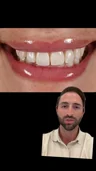 When does dental bonding fit a smile makeover?Dental bonding can fit a smile makeover when tooth-colored composite is used to change a tooth’s shape, size or color, according to Cleveland Clinic.
- When are crowns needed in a smile makeover?Crowns may fit a smile makeover when a tooth needs coverage for structural or restorative reasons, according to the ADA and ACP.
- Can dental implants be part of a smile makeover?Dental implants can be part of a smile makeover when missing teeth need replacement, according to the ADA and ACP.
- Should I straighten my teeth before a smile makeover?Orthodontics may come before definitive cosmetic restorations when tooth position needs changing, but the smile makeover sequence must be coordinated with your dentist and orthodontist, according to AAO guidance.
- Should whitening come before a smile makeover?Whitening and restoration shades need to be planned together in a smile makeover because whitening changes natural teeth while tooth-colored restorations stay the same color, according to the ADA.
- What is the order of treatment in a smile makeover?A smile makeover needs an individual sequence that coordinates disease care, tooth movement, gum or implant treatment and final restorations, according to AAO, Mayo Clinic and SmileArt Utah.
- Can gum contouring be part of a smile makeover?Gum contouring can be part of a smile makeover when excess gum tissue needs reshaping, but some cases also involve bone, according to Cleveland Clinic and AAP.
 Can digital smile design predict my smile makeover result?Digital smile design can help you discuss a proposed smile makeover, but a 2024 Cureus review doesn’t establish an exact prediction for your final result.
- Who performs a smile makeover, and what credentials matter?A smile makeover may involve general dentists and specialists, according to Columbia University, while cosmetic dentistry itself isn’t on the ADA National Commission’s recognized-specialty list.
- How long does a smile makeover last?A smile makeover has different maintenance and repair needs for each component, according to ACP, AAO and Cleveland Clinic.
 What should I look for in smile makeover before and after photos?Smile makeover before and after photos should be read alongside the actual treatment list and starting condition, because the University of Rochester and SmileArt Utah describe customized combinations rather than a standard package.
- What should I ask before agreeing to a smile makeover?Before agreeing to a smile makeover, ask for the diagnosis, component list, alternatives, sequence and costs in writing, consistent with SmileArt Utah’s planning description and the ADA’s ethics guidance.
Understand the bundle
What is a smile makeover, and what does it include?
A smile makeover is a coordinated combination of dental treatments chosen for your appearance and oral needs, according to the University of Rochester and SmileArt Utah. Common components include whitening, bonding, veneers, crowns, aligners, gum contouring and implants. The name alone doesn’t tell you which treatments or teeth are included.
What is a smile makeover, and what does it include?
Whitening targets natural tooth shade; bonding can change a chipped edge or shape.
Aligners move teeth. Gum contouring changes the tissue frame after assessment.
Crowns cover existing teeth; implants support replacement teeth. Veneers have their own companion guides.
Start with what you want to change in your own smile. Color, a chipped edge, tooth position, gum display and a missing tooth are different concerns. The ADA presents 8 ways to improve a smile in its patient overview, checked October 18, 2026; these are categories of care rather than a package prescribed for each reader. It includes whitening, crowns, bonding, orthodontics and implants as distinct options. An implant replaces a missing tooth; it doesn’t simply change the surface of an existing tooth. Whitening changes natural tooth color, while a crown covers a tooth. Those differences explain why two people can receive very different plans under the same makeover label. SmileArt Utah describes a coordinated plan rather than a fixed inventory. Its description is practice education, with no patient cohort or measured outcome denominator. Ask for a tooth-by-tooth map before comparing proposals. Each entry should name the finding, proposed treatment and intended change. A front-tooth photograph cannot supply that diagnosis. You can also ask what a smaller plan would accomplish and which changes could wait. Buying a bundle doesn’t establish a reason to treat every visible tooth. The useful comparison is between documented plans for your mouth, including their alternatives, rather than between package names.
“Which treatments and teeth are in my smile makeover, and what finding justifies each one?”
Check the starting mouth
Should I treat decay or gum disease before a smile makeover?
A smile makeover should begin with assessment and treatment of existing disease before elective cosmetic finishing, according to Cleveland Clinic’s bonding and gum-contouring guidance. Bleeding gums, decay and loose teeth need a diagnosis. The ADA says gum disease can be painless, so a comfortable smile can still need treatment.
Should I treat decay or gum disease before a smile makeover?
Bleeding, recession, looseness and old restoration edges can change the plan.
The treatment depends on the disease and its progression; a cosmetic label doesn’t select it.
Ask what the team needs to see before beginning elective cosmetic work.
Tell the dentist about bleeding when you clean, changes in your bite, gum recession and repairs that keep failing. The American Academy of Periodontology describes reviewing medical history, medicines, bite and tooth looseness during assessment. That work can change which cosmetic treatments make sense and when to do them. The ADA explains that decay can develop around the edges of older fillings. Covering the visible surface doesn’t answer what is happening underneath or around the restoration. Its home-care guidance, checked October 18, 2026, recommends brushing twice per day and cleaning between teeth daily. These are education-based care frequencies, not results measured in makeover patients. AAP says gingivitis can be reversed with professional treatment and home care; advanced periodontal disease can destroy supporting tissue and bone. Ask what must improve before elective work starts and how the team will check that improvement. A cosmetic consultation may therefore lead first to a disease-treatment appointment. That changes the calendar and potentially the quote. Get those phases written separately so a delay for health is understandable and the cosmetic commitment remains clear.
“What disease needs treatment before my smile makeover, and how will you decide that I’m ready to proceed?”
Check the starting mouth
Who is a candidate for a smile makeover?
Smile makeover candidacy depends on your dental findings, health and goals rather than age or a photograph alone, according to Columbia University and the ADA. Columbia says cosmetic procedures aren’t appropriate or effective for everyone. The examination should explain which options fit your teeth and which concerns need further assessment.
Who is a candidate for a smile makeover?
Discuss disease, saliva, medicines, grinding and previous treatment.
Ask which choices need more assessment or specialist input.
Consider home care, visits, repairs and whether the planned tooth changes fit your priorities.
Bring a current medicine list and describe grinding, dry mouth, sensitivity, tobacco use and earlier dental treatment. The ADA says grinding can happen without your knowing it and can leave chipped, cracked or worn teeth. It also explains that reduced saliva increases the risk of decay. Neither a brighter shade nor a new restoration removes those underlying planning concerns. New sensitivity needs assessment because decay, fractures, worn fillings, gum disease and exposed roots can all cause it. For a missing tooth, Mayo Clinic’s implant guidance includes enough bone or the ability to receive grafting among candidacy considerations. The ADA says diabetes or leukemia may interfere with surgical healing and tobacco may slow it; these statements don’t make every person with those conditions automatically ineligible. Its adult orthodontic guidance also says being older doesn’t itself prevent treatment. ACP separates an implant-supported tooth into 3 parts, the fixture, abutment and artificial tooth, in education checked October 18, 2026. Candidacy and maintenance need to account for the supporting structures as well as the visible tooth. Ask for the specific findings that change your options. Your willingness to attend maintenance and accept the proposed tooth changes belongs in the decision alongside the desired appearance.
“Which findings make me a candidate for this smile makeover plan, and which would change or postpone it?”
Choose the components
What is the difference between a smile makeover and veneers?
A smile makeover is a treatment plan that may include veneers, while veneers are one component in the menu described by the University of Rochester. A plan may instead combine alignment, whitening, bonding or gum treatment. Calling a proposal a makeover doesn’t establish that you need veneers.
Compare the plan with its possible components
Compare the problem being treated before comparing materials. The ADA includes orthodontics for crooked or crowded teeth. ACP describes bonding for chipped or misshapen teeth and crowns for substantial destruction or extensive wear. Those descriptions give you useful questions, but they don’t let you select treatment from a picture alone. Cleveland Clinic’s January 5, 2026 bonding page gives about 30–60 minutes per treated tooth as an educational procedure estimate. That denominator is a tooth, not a complete smile or the duration of a veneer course. It illustrates why a small finishing step and a larger plan need different calendars. Cleveland also says bonding generally doesn’t need enamel removal, while a crown does involve tooth reduction. “Generally” leaves room for the actual preparation your dentist proposes. If veneers are recommended, ask why they address the finding better than the alternatives discussed at your examination. Ask which teeth are included and whether treatment could be limited. The dedicated veneers guides explain preparation, material decisions, costs and recovery in depth. Use those once veneers are a real component of your proposal, and keep the wider makeover discussion focused on coordination and the reasons for combining treatments.
“Why are veneers part of my smile makeover rather than a smaller or different treatment plan?”
Choose the components
When does dental bonding fit a smile makeover?
Dental bonding can fit a smile makeover when tooth-colored composite is used to change a tooth’s shape, size or color, according to Cleveland Clinic. ACP also describes cosmetic bonding for chipped, broken or misshapen teeth. Existing decay may need treatment before cosmetic bonding begins.
When does dental bonding fit a smile makeover?
Ask whether bonding means a composite shape change, a filling or cementation.
Composite can chip and stain. Ask how a repair would be assessed and charged.
Cleveland says to contact the dentist for sharp edges or an abnormal bite after bonding.
Ask what the word bonding means on your proposal. ACP explains that bonding can describe attachment of filling material or cementation of another restoration. A line item using that word alone doesn’t identify exactly what will be done. Cleveland’s January 5, 2026 page describes roughening the surface, applying composite resin and hardening it with a curing light. It gives about 30–60 minutes per tooth, an educational estimate with no study population supplied. More teeth and other treatments change the appointment plan. Its 3–10-year service estimate before touch-up or replacement is also educational guidance, not a fixed expiry date or measured lifespan for your makeover. Composite can chip and is less stain-resistant than porcelain. Those tradeoffs matter when you compare a smaller repair with a larger restorative plan. Ask which surfaces will change, whether any tooth material will be removed and how later repair would work. If whitening is planned, the team also needs to coordinate the shade choice. After treatment, Cleveland says to contact the dentist for a sharp edge or an abnormal bite feeling. Include that adjustment access in the plan before you agree, especially if you’re seeing different clinicians for the alignment and finishing steps.
“What will bonding change in my smile makeover, and how will you handle a chip, stain or bite concern later?”
Choose the components
When are crowns needed in a smile makeover?
Crowns may fit a smile makeover when a tooth needs coverage for structural or restorative reasons, according to the ADA and ACP. The ADA describes protecting weak teeth and restoring broken teeth among their uses. A crown also changes appearance, but the proposed reason for covering each tooth should be clear.
A conventional crown workflow
A crown fits over the whole tooth and requires some enamel removal, according to Cleveland Clinic. That makes the discussion about tooth structure especially useful when a plan includes many crowns. ACP says a more conservative inlay or onlay may be indicated instead. Ask the dentist to explain the available choices for each tooth rather than treating a package name as the indication. Cleveland’s April 14, 2023 crown page describes conventional placement as usually involving two appointments, with a laboratory interval of about 2–3 weeks per crown process and sometimes longer. These are educational workflow estimates, not a trial result or a completion promise for a combined makeover. A temporary crown covers the tooth during the laboratory stage. Same-day CAD/CAM crowns are possible for some patients, so ask which process your own quote includes. A crown over an implant is also a different situation from a crown over an existing tooth. The ADA identifies both uses. Include the supporting structure in the written plan. Cleveland notes that crowns can fracture and poor fit can allow decay. It also says a crown shouldn’t cause pain that keeps you awake; contact the treating dentist for assessment rather than assuming persistent pain is a cosmetic adjustment.
“Why does each proposed crown belong in my smile makeover, and what are the alternatives and follow-up arrangements?”
Choose the components
Can dental implants be part of a smile makeover?
Dental implants can be part of a smile makeover when missing teeth need replacement, according to the ADA and ACP. An implant-supported tooth includes the fixture in the jaw, a connecting abutment and the artificial tooth. Replacing a missing tooth requires different planning from whitening or reshaping a tooth you still have.
Can dental implants be part of a smile makeover?
Ask which parts are included and who places or restores each one.
Find out whether grafting, temporary replacement or a longer staged calendar is needed.
Keep the implant brand and model, and arrange a contact for tissue or mechanical concerns.
ACP separates those 3 parts in its implant education, checked October 18, 2026. Ask which parts your proposal includes and which clinician will handle each stage. Mayo Clinic describes assessment of the teeth, jawbone and remaining dentition, with enough bone or the ability to receive a graft among candidacy considerations. ACP says a lack of bone can lead to bone or gum grafting. Those possibilities can change the treatment calendar and the work included in a quote. Mayo describes an implant course as potentially taking many months, with some stages combined when appropriate. Its educational guidance includes at least 2 weeks of gum healing after abutment placement before the artificial tooth attaches; it supplies no measured patient denominator for that interval. Ask what temporary replacement, if any, you’ll have while waiting. Mayo lists infection, damage to nearby structures, nerve damage and sinus problems among risks without a personal probability. FDA says complications can occur early or much later and distinguishes an abutment screw loosening from failure of the implant body. Ask who assesses each type of concern. Mayo says worsening swelling or soreness after surgery should be reported to the surgeon. A retained implant still needs tissue care and mechanical maintenance, so include follow-up before treating placement as the end of the plan.
“Which implant stages, supporting treatments and replacement-tooth components belong in my smile makeover plan?”
Choose the components
Should I straighten my teeth before a smile makeover?
Orthodontics may come before definitive cosmetic restorations when tooth position needs changing, but the smile makeover sequence must be coordinated with your dentist and orthodontist, according to AAO guidance. AAO also says some dental conditions need treatment before orthodontics and dental work must be coordinated before aligner scanning.
Should I straighten my teeth before a smile makeover?
Resolve necessary dental treatment and agree which tooth shapes the trays will fit.
Coordinate shade matching, contour changes and any final restorations.
Ask who arranges retention and checks fit after restorative finishing.
These instructions address different stages of care. Treating a cavity before scanning doesn’t mean every final cosmetic restoration should be completed before teeth move. AAO says trays fit the exact tooth shape, so changes to that shape matter to planning. Ask both clinicians which work needs completion before the scan and which finishing steps are planned after alignment. AAO’s braces information, checked October 18, 2026, gives most treatment courses as 12–24 months; slight corrections may take months, while complex changes can take years. This is educational guidance, not a duration measured for your combined makeover. Clear aligners aren’t suitable for everyone, and AAO says some cases are more predictable with braces. It describes typical aligner wear of at least 22 hours per day; your treating clinician sets the actual instructions. The plan continues after movement stops. AAO describes ongoing retention, potentially nightly for life. The 2023 Cochrane review included 47 studies and 4,377 participants after braces, including children and adults, and found low or very low certainty evidence for choosing between retention strategies. It excluded aligner studies. That uncertainty between devices doesn’t remove the need to plan retention or establish which device will suit your new tooth shapes.
“Which dental work belongs before my aligner scan, which belongs after alignment, and who will coordinate retention?”
Choose the components
Should whitening come before a smile makeover?
Whitening and restoration shades need to be planned together in a smile makeover because whitening changes natural teeth while tooth-colored restorations stay the same color, according to the ADA. Existing fillings or crowns can therefore look mismatched after bleaching. Ask the team when to select the final restorative shade.
Plan the two shade decisions together
The ADA says bleaching response depends on the discoloration.
Ask when to assess the whitening response.Existing tooth-colored restorations retain their color as natural teeth whiten.
Ask when to select new shades and assess old restorations.Start with examination of the discoloration. ACP says whitening candidacy needs diagnosis, and the ADA says response differs with the cause of staining. Its technical and patient education pages describe some discolorations differently, so neither supports a promise that your teeth will reach a chosen shade. Columbia’s patient guidance, checked October 18, 2026, describes at-home whitening as taking 2–4 weeks per treatment course. That is education with no study denominator, and it isn’t the length of a complete makeover. The 2018 Cochrane review included 71 adult home-bleaching trials. It found low to very low certainty evidence for short-term whitening compared with placebo and insufficient evidence to choose a superior composition, concentration or application regimen. The ADA also describes temporary sensitivity and gum inflammation as common effects. A new symptom still needs assessment when its cause is uncertain. Ask what happens if you develop sensitivity or dislike the contrast with existing dental work. The team should decide when to assess the shade and when bonding or other restorations can proceed. The supplied evidence doesn’t establish a universal waiting period for every material and patient. A light or laser in an advertisement doesn’t resolve those questions or establish a better final outcome.
“When should whitening and final shade selection happen in my smile makeover, including my existing restorations?”
Coordinate the plan
What is the order of treatment in a smile makeover?
A smile makeover needs an individual sequence that coordinates disease care, tooth movement, gum or implant treatment and final restorations, according to AAO, Mayo Clinic and SmileArt Utah. These sources describe different stages rather than one order that fits every mouth. Ask for the prerequisites before each irreversible step.
What is the order of treatment in a smile makeover?
Health treatment and necessary dental repairs can come before cosmetic phases.
Movement, tissue treatment and implant healing can alter later decisions.
Check readiness, shade, fit, temporary needs and the next clinician’s instructions.
SmileArt Utah describes phased care, often whitening, alignment and then veneers or bonding. That is its workflow, not a universal clinical rule. AAO’s advice about completing needed dental work before aligner scanning concerns tray fit. Mayo’s implant guidance concerns surgical planning, bone healing and attachment of the replacement tooth. The stages must be reconciled for your specific combination. Mayo says an implant course may take many months; its guidance includes at least 2 weeks of gum healing after abutment placement before the artificial tooth is attached. That is a stage-specific educational interval, checked October 18, 2026, rather than a whole-course completion date. ACP separates the implant fixture, abutment and artificial tooth, so “implant done” can mean different milestones. Conventional laboratory crowns also have a temporary stage. Ask what you’ll have in your mouth between visits and who handles problems during those intervals. Distinguish time spent in appointments from time waiting for tissue healing, tooth movement or laboratory work. A calendar should show where the team will reassess before proceeding. It should also explain what happens to later appointments if a phase takes longer. An event date can help the team discuss scope, but it can’t set the biology of your treatment.
“Can you show me my smile makeover sequence, the checkpoint before each step and what could delay the final work?”
Coordinate the plan
Can gum contouring be part of a smile makeover?
Gum contouring can be part of a smile makeover when excess gum tissue needs reshaping, but some cases also involve bone, according to Cleveland Clinic and AAP. The examination should consider lip position, tooth wear and facial structure. Removing tissue isn’t the answer to every concern about gum display.
Can gum contouring be part of a smile makeover?
Clarify whether the plan changes gum alone or includes underlying bone.
A short healing description doesn’t establish final gum-margin stability.
Ask when the gum position will be reassessed before final tooth work.
AAP describes crown lengthening as reshaping gum and bone to expose more natural tooth, for restorative or cosmetic reasons. It distinguishes that from grafting tissue over exposed roots. Cleveland also separates tissue removal, reshaping and bone-involving crown lengthening. Ask exactly which of those is on your proposal. Its August 22, 2023 contouring page gives about 1–2 hours per procedure as an educational average and describes initial healing within a week or less for most people. Neither number comes with a measured study population. The same guidance describes assessing whether another procedure is needed after about 8–12 weeks. Early comfort and readiness for another assessment are different endpoints. Don’t use a short return-to-routine interval as the date for final margin stability or restoration placement. The team needs to explain its own timing and the evidence relevant to your tissues and planned restorations. Cleveland lists infection and regrowth among possible complications without a measured rate. A review of six adjunctive low-level laser trials addresses early healing and pain after gingivectomy; it doesn’t prove that laser cutting is superior to a scalpel or that tissue won’t regrow. Keep the decision focused on the actual indication and follow-up, including disease care before cosmetic contouring.
“Does my smile makeover need gum removal, bone treatment or another approach, and when can the final restorations safely follow?”
Coordinate the plan
Can digital smile design predict my smile makeover result?
Digital smile design can help you discuss a proposed smile makeover, but a 2024 Cureus review doesn’t establish an exact prediction for your final result. A 2024 Cureus review of 10 studies describes communication and workflow benefits without a numerical preview-to-result accuracy estimate in its abstract. A screen image is one planning stage.
A picture and a physical trial answer different questions
Discuss visible proportions, shade preferences and features you want to keep.
Ask what the preview cannot predict.Clarify the stage and which fit, speech, bite or cleaning concerns can be assessed.
Ask when changes can be requested and what approval means.The University of Rochester describes digital mock-ups and personalized treatment maps. Basin Dental describes temporary prototypes that let patients try a design before final placement. Ask which type of preview you’re being offered and at what point it happens. A photograph, a removable mock-up and temporary restorations provide different information. They also have different practical limits. Bring specific preferences about visible tooth length, shade and the features you want to keep. Ask how the team will discuss speech, bite, comfort and cleaning access rather than approving a picture on appearance alone. The 2025 review of seven studies describes varied designs, small samples and inconsistent measures. The research checked October 18, 2026, therefore supports a communication benefit more clearly than an individual prediction. The primary image-preference survey behind part of a separate AI review asked raters to choose between simulated designs; those ratings weren’t outcomes from treated patients. We don’t turn its pooled satisfaction figure into a chance that your result will match a preview. Ask what can still change during the laboratory and fitting stages, when you can request revisions and what approval actually commits you to. Record agreed changes while the design is still being discussed.
“What can my smile makeover preview show, what remains uncertain, and when can I request changes before final placement?”
Choose the team
Who performs a smile makeover, and what credentials matter?
A smile makeover may involve general dentists and specialists, according to Columbia University, while cosmetic dentistry itself isn’t on the ADA National Commission’s recognized-specialty list. Orthodontics and dentofacial orthopedics, periodontics and prosthodontics are recognized specialties. AACD membership and AACD accreditation are separate credentials.
Who performs a smile makeover, and what credentials matter?
Verify the individual who will treat you through the state licensing authority.
Ask which recognized specialty, if any, applies to your planned treatment.
Membership differs from accreditation; ask exactly which credential and professional role are claimed.
Name the coordinator, each treating clinician and the contact for problems between phases.
Check the treating dentist’s state license, then ask about training and experience for your actual combination of treatments. ACP describes at least 3 additional years in a CODA-accredited prosthodontic graduate program after dental school and says prosthodontists can lead multidisciplinary teams. AAP describes 3 additional years for periodontists; AAO gives 24–36 months of additional orthodontic education. These are training durations from professional education pages checked October 18, 2026, rather than comparative outcome data. AACD says its process includes a written examination and required workshops before clinical case submission. Candidates whose cases pass are invited to an oral examination to authenticate casework and treatment-planning abilities. After successful completion, a dentist or laboratory technician becomes accredited. Its membership page lists general and accredited membership separately. Because technicians can also hold membership or accreditation, the label alone doesn’t establish a license to treat patients. Ask who will actually perform each step and who coordinates referrals and adjustments. If sedation is proposed in Utah, DOPL lists sedation and general anesthesia permits separately from dentist licensure. Confirm the relevant authorization rather than assuming a license covers every sedation level. None of these checks ranks providers or predicts your appearance.
“Who will perform each smile makeover component, what are their exact credentials, and who coordinates the whole plan?”
SourcesAmerican College of ProsthodontistsAmerican Academy of PeriodontologyAmerican Academy of Cosmetic DentistryAmerican Academy of Cosmetic DentistryColumbia UniversityAmerican Dental AssociationAmerican Dental AssociationAmerican Dental AssociationAmerican Association of OrthodontistsUtah Division of Professional Licensing
Plan beyond placement
How long does a smile makeover last?
A smile makeover has different maintenance and repair needs for each component, according to ACP, AAO and Cleveland Clinic. Whitening, composite, crowns, implants and orthodontic retention don’t share a single lifespan. ACP describes care of restored teeth as a lifelong recall and maintenance commitment.
Each component has its own continuing needs
Cleveland’s January 5, 2026 bonding guidance gives 3–10 years before touch-up or replacement; its April 14, 2023 crown page gives an average service estimate of 5–15 years, with longer service possible. These are component-specific educational ranges without primary patient denominators, not deadlines when your teeth must be redone. AAO describes ongoing retainer wear, potentially nightly for life. ACP’s restored-teeth FAQ recommends clinical examinations at least every 6 months, with cleaning, adjustment, repair or replacement as needed. Its 2016 multidisciplinary guideline separates recall, professional maintenance and home maintenance, including biological and mechanical needs for implant-borne restorations. The 2025 AO/AAP consensus gives supportive-care intervals, particularly after peri-implant disease treatment, of every 3–4 months for higher-risk patients and every 5–6 months for stable lower-risk patients. That is a different population and purpose from a general restored-teeth FAQ. Your clinician sets a risk-based schedule. Implants don’t decay, but tissues around them can develop disease and components can loosen. Retention of the implant doesn’t mean every part remains trouble-free. Keep implant brand and model information, as FDA recommends. Ask for likely maintenance tasks, the contact for urgent repairs and which charges are outside the original plan.
“What maintenance, retention, repairs and possible replacements should I plan for after each part of my smile makeover?”
Plan beyond placement
What should I look for in smile makeover before and after photos?
Smile makeover before and after photos should be read alongside the actual treatment list and starting condition, because the University of Rochester and SmileArt Utah describe customized combinations rather than a standard package. Use the Afters smile makeover gallery to discuss preferences, then ask the dentist to explain comparable cases.
What should I look for in smile makeover before and after photos?
Compare tooth position, missing teeth, old restorations and gum display.
Request the component list and distinguish provisional from final work.
Ask for the after-photo date and follow-up; a selected image supplies no outcome rate.
Look for a case that addresses the concern you want to change. Ask whether the person had whitening, alignment, gum treatment, bonding, veneers, crowns or replacement of missing teeth. A bright final picture doesn’t tell you which of those steps produced the change. Ask when the after photograph was taken and whether it shows temporaries or final restorations. Basin Dental describes prototypes and adjustments before final placement, so those stages need clear labels. Also ask whether the photographs come from the treating dentist’s own work and what follow-up is available. The ADA’s ethics code warns against advertising that creates unjustified expectations. A selected gallery case cannot establish how often a result occurs or what your outcome will be. The 2025 digital-design review included seven studies with mixed methods and inconsistent measures; it doesn’t turn a photograph into a personal prediction. That evidence and the gallery-reading advice were checked October 18, 2026. You can still use pictures productively. Point out the shade, edge shapes and amount of gum display you prefer, along with features you want to keep. If the two sides differ, ask how the proposed design treats that difference. Your preferred appearance doesn’t need to match another person’s, and appearance alone doesn’t establish health or bite function.
“Can you show me your own comparable smile makeover cases with the component list, after-photo date and follow-up?”
Plan beyond placement
What should I ask before agreeing to a smile makeover?
Before agreeing to a smile makeover, ask for the diagnosis, component list, alternatives, sequence and costs in writing, consistent with SmileArt Utah’s planning description and the ADA’s ethics guidance. Also identify the clinician who coordinates care and the process for concerns. Each tooth should have an explained reason for treatment.
Compare your proposed plans
Bring the questions that matter to your decision rather than agreeing to a package before its scope is clear. Ask what happens if you pause after a phase, dislike the proposed shade or need a repair between visits. Ask whether design changes, temporary repairs, retention and follow-up are included or charged separately. A membership plan or financing offer needs its own written terms; it doesn’t establish treatment need. Cigna’s clinical guidelines say member-specific plan documents supersede general guidance. Its filling and crown sections exclude work solely for cosmetic purposes, while some restorative situations have their own clinical criteria and limits. The newer document marked May 2026 preserves those distinctions, as checked October 18, 2026. That document mark isn’t a verified effective day for your member contract. Ask the practice and insurer about each component using its actual indication and code. The ADA says changing descriptions to make an uncovered service look covered is unethical. Policy text is not a coverage guarantee. ACP’s general guidance recommends restored-teeth examinations at least every 6 months; ask what schedule your own mouth requires and what those visits cost. Finish with a clear contact for symptoms and adjustments, and a written explanation of what happens if further work is proposed.
“Can I have my smile makeover diagnosis, alternatives, sequence, complete quote and follow-up responsibilities in writing before deciding?”
My smile makeover consultation questions
Save the questions you want to discuss. This browser keeps your list.
Nothing saved yet. Tap Save to my list under any question.
Start with a short intake, pick your top 3 practices, and get Interactive Quotes back.
Near you
Practices that publish smile makeover results, and smile makeover pages for the cities and states Afters covers.
Compare a plan for your own smile
Bring your goals, previous treatment details and saved questions. Ask the team to explain each proposed component before deciding.
How we researched this guide
Checked October 18, 2026. We used the corrected smile makeover research to answer questions about scope, conservative alternatives, sequencing, previews, provider qualifications and maintenance.
Questions people asked
The source corpus raised questions about treating fewer teeth, alignment before finishing, shape changes, shade matching, temporary trials and repair access. It retained 65 source URLs, including 36 patient-voice URLs. These are counts of sources, not independent people. Original full Reddit-thread reading wasn’t completed, and selected practice testimonials cannot establish outcome rates.
Clinical and professional sources
The guide names the ADA, ACP, AAP, AAO, AACD, FDA, Mayo Clinic, Cleveland Clinic and university sources. Practice workflows remain attributed examples. Educational procedure times and service ranges have no supplied patient denominator and aren’t personal forecasts.
Study limits
Digital-design reviews have mixed methods and small samples. Image preferences differ from treated-patient outcomes. Retainer evidence after braces doesn’t directly settle an aligner plan. Implant retention, tissue health and mechanical maintenance are separate endpoints.
Costs and policy limits
This candidacy guide publishes no price or loan calculation. The cost guide keeps component fees and package quotes separate. A named plan’s clinical rules don’t establish your benefits. Policy text is not a coverage guarantee.
Video context
Only uploaded selected KEEP clips appear. Each explanation credits the creator and links to the original source. These are individual clinical discussions, not diagnoses, comparative outcome studies or proof of publication rights.
Sources
- 8 Ways to Improve Your SmileAmerican Dental Association · Accessed Oct 18, 2026
- Smile Makeover - Eastman Institute for Oral Health - URochester MedicineUniversity of Rochester · Accessed Oct 18, 2026
- Smile Makeovers in St. George, UT | SmileArt UtahSmileArt Utah · Accessed Oct 18, 2026
- The best smile makeovers don’t always start with veneers. For this pa...TikTok · @dr.liortamir · Jul 13, 2026
- What is a Periodontist? - American Academy of PeriodontologyAmerican Academy of Periodontology · Accessed Oct 18, 2026
- Gum Disease Information - American Academy of PeriodontologyAmerican Academy of Periodontology · Accessed Oct 18, 2026
- Gum Disease - Periodontal DiseaseAmerican Dental Association · Accessed Oct 18, 2026
- Tooth DecayAmerican Dental Association · Accessed Oct 18, 2026
- Brushing Your TeethAmerican Dental Association · Accessed Oct 18, 2026
- What is Dental Bonding & What To ExpectCleveland Clinic · Accessed Oct 18, 2026
- Gum Contouring: Surgery, Recovery & What To ExpectCleveland Clinic · Accessed Oct 18, 2026
- ImplantsAmerican Dental Association · Accessed Oct 18, 2026
- Cosmetic Dentistry Services - NYC | College of Dental MedicineColumbia University · Accessed Oct 18, 2026
- Sensitive Teeth - Heat and Cold SensitivityAmerican Dental Association · Accessed Oct 18, 2026
- Teeth GrindingAmerican Dental Association · Accessed Oct 18, 2026
- Dry MouthAmerican Dental Association · Accessed Oct 18, 2026
- Frequently Asked Questions about Dental Implants | American College of ProsthodontistsAmerican College of Prosthodontists · Accessed Oct 18, 2026
- Adult Orthodontics: Smile with Confidence at Any Age | American Association of OrthodontistsAmerican Association of Orthodontists · Accessed Oct 18, 2026
- Dental implant surgery - Mayo ClinicMayo Clinic · 2024
- How to Improve Your Oral Health FAQs | American College of ProsthodontistsAmerican College of Prosthodontists · Accessed Oct 18, 2026
- Bonding | American College of ProsthodontistsAmerican College of Prosthodontists · Accessed Oct 18, 2026
- Dental Crowns: Types, Procedure & CareCleveland Clinic · Accessed Oct 18, 2026
- Caps and Crowns | American College of ProsthodontistsAmerican College of Prosthodontists · Accessed Oct 18, 2026
- Porcelain Veneers OR Bonding? Which one is right for you. First lets...TikTok · @doctor.vince · Mar 9, 2026
- CrownsAmerican Dental Association · Accessed Oct 18, 2026
- Dental Implants: What You Should Know | FDAFDA · Accessed Oct 18, 2026
- Orthodontics - BracesAmerican Dental Association · Accessed Oct 18, 2026
- How Do Braces Work? | American Association of OrthodontistsAmerican Association of Orthodontists · Accessed Oct 18, 2026
- Clear Aligners: Discreet Ways to Straighten Teeth | AAOAmerican Association of Orthodontists · Accessed Oct 18, 2026
- Are Retainers Necessary After Orthodontics? | American Association of OrthodontistsAmerican Association of Orthodontists · Accessed Oct 18, 2026
- Retention procedures for stabilising tooth position after treatment with orthodontic braces.Cochrane Oral Health / Martin et al. · 2023
- Whitening | American Dental AssociationAmerican Dental Association · Accessed Oct 18, 2026
- Teeth WhiteningAmerican Dental Association · Accessed Oct 18, 2026
- Home-based chemically-induced whitening (bleaching) of teeth in adults.Cochrane Oral Health / Eachempati et al. · 2018
- Dental Bone Graft: Process, Purpose & HealingCleveland Clinic · Accessed Oct 18, 2026
- Surgical Procedures - American Academy of PeriodontologyAmerican Academy of Periodontology · Accessed Oct 18, 2026
- Gingivectomy: Procedure & RecoveryCleveland Clinic · Accessed Oct 18, 2026
- Efficacy of Low-Level Laser Therapy in Wound Healing and Pain Reduction After Gingivectomy: A Systematic Review and Meta-analysis.Abesi and Derikvand / Journal of Lasers in Medical Sciences · 2023
- Smile Makeover in Syracuse & Roy, UT - Basin DentalBasin Dental · Accessed Oct 18, 2026
- Smile Makeovers Sandy, UT | Cosmetic DentistryComprehensive Sedation Dental · Accessed Oct 18, 2026
- Digital Smile Design and Patient-Centered Outcomes in Esthetic Restorative Dentistry: A Systematic Review.Cureus · 2025
- The Recent Use, Patient Satisfaction, and Advancement in Digital Smile Designing: A Systematic Review.Cureus · 2024
- Evaluating the Facial Esthetic Outcomes of Digital Smile Designs Generated by Artificial Intelligence and Dental ProfessionalsCeylan et al. / Applied Sciences · 2023
- Measure twice, cut once applies to your smile too. Digital smile desi...TikTok · @tanglewooddentist · Aug 13, 2026
- Why See a Prosthodontist? | American College of ProsthodontistsAmerican College of Prosthodontists · Accessed Oct 18, 2026
- AACD | Accreditation ProcessAmerican Academy of Cosmetic Dentistry · Accessed Oct 18, 2026
- AACD | MembershipAmerican Academy of Cosmetic Dentistry · Accessed Oct 18, 2026
- Recognized Dental SpecialtiesAmerican Dental Association · Accessed Oct 18, 2026
- Licensure Overview | American Dental AssociationAmerican Dental Association · Accessed Oct 18, 2026
- Veracity | American Dental AssociationAmerican Dental Association · Accessed Oct 18, 2026
- Orthodontist vs. Dentist: What’s the Difference? | AAOAmerican Association of Orthodontists · Accessed Oct 18, 2026
- Dentistry - commerce.utah.govUtah Division of Professional Licensing · Accessed Oct 18, 2026
- Frequently Asked Questions about Caring for Restored Teeth - Caring for Restored Teeth | American College of ProsthodontistsAmerican College of Prosthodontists · Accessed Oct 18, 2026
- Peri-Implant Diseases - American Academy of PeriodontologyAmerican Academy of Periodontology · Accessed Oct 18, 2026
- Clinical practice guidelines for recall and maintenance of patients with tooth-borne and implant-borne dental restorations.ACP-convened multidisciplinary panel / Bidra et al. · Accessed Oct 18, 2026
- AO/AAP consensus on prevention and management of peri-implant diseases and conditions: Summary reportAO/AAP / Wang et al. · 2025
- Your face has a left side and a right side, and they don’t match. Nei...TikTok · @tanglewooddentist · Sep 30, 2026
- Microsoft Word - Cigna Dental Coverage Determination Guidelines - DPPO - 2026 - FinalCigna · Accessed Oct 18, 2026